Walk-In Cooler Repair South Shore: Getting Your Cold Chain Back Online
Your walk-in cooler stopped cooling at 6 AM and the dinner rush is at 5. Every hour it’s down means spoiled inventory—and that’s money walking out the door in New Bedford, Fall River, or anywhere along the South Coast.
Emergency Response for Walk-In Cooler Failures on the South Shore
For more on refrigerant handling regulations, see EPA Section 608 certification.
When your walk-in cooler goes down, you don’t need a sales pitch; you need a tech on site. We get it. I’ve lived and worked in this area long enough to know what panic sounds like coming from a busy kitchen.
We handle the emergency response stuff 24/7 because your business can’t afford downtime, day or night. Whether you’re over by Dartmouth docks needing a quick fix on your prep table cooler, or deep in Plymouth running a market that relies on precise temps, we treat it like an immediate crisis. If it’s losing product, it’s our priority.
When you call us at 508-521-9477, you’re talking to someone who knows what a failing compressor sounds like after working through the summer heat on the South Shore. We’ll get a tech rolling toward your kitchen—usually faster than you think possible.
Diagnosing Walk-In Cooler Problems: More Than Just Turning It On
For more on AIM Act phase-down, see EPA SNAP-listed refrigerants.
A lot of people just call us and say, “It’s not cold.” That doesn’t cut it for me. I need to know what part failed so we don’t waste time on guesswork.
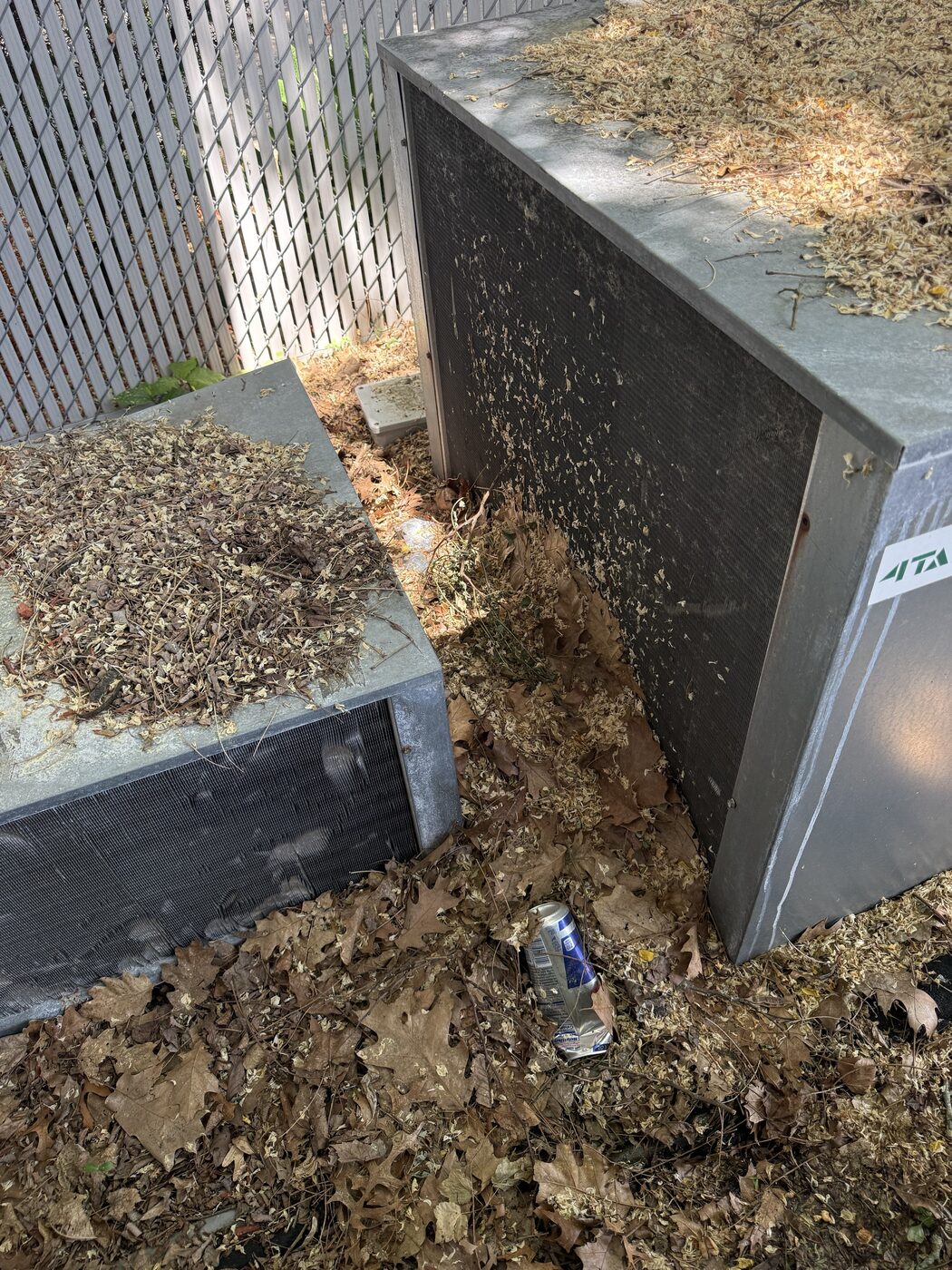
When a walk-in cooler isn’t holding temperature, the problem could be anything from a simple defrost cycle issue with the evaporator coil to a major failure in the compressor unit itself. We check the refrigerant pressure, inspect the condenser coils for dirt buildup—you know, all the nuts and bolts of it.
Sometimes the culprit is surprisingly small, like a blocked capillary tube or an expansion valve that’s sticking. But sometimes, after years of good service on equipment from brands like True or Hoshizaki, we find the whole system is just tired. That’s when we get honest with you about what makes sense for your bottom line.
We won’t just replace the first thing that looks broken. We’ll test it, diagnose it, and tell you straight up if a repair or an outright replacement of the unit is smarter for you right now.
The Mechanics: What Makes Your Walk-In Cooler Run Right
For more on Massachusetts compliance, see EPA Section 608 refrigerant rules.
If you’re paying someone to fix it, you should know what they’re fixing. We deal with commercial units constantly—the big ones in restaurants, the smaller reach-ins in corner shops. It all runs off the same core principles.
The cycle is simple enough if you understand the components: The compressor pumps the refrigerant. That moves through the condenser, usually out near the back of the unit. Then it hits the metering device—the capillary tube or expansion valve—which drops the pressure down to the evaporator inside your walk-in cooler. This drop in pressure causes the cooling action.
If that compressor is whining funny, or if the refrigerant charge seems off, we catch it before you lose a full day’s worth of product. We’re EPA 608 certified because handling refrigerants safely isn’t optional; it’s law and it’s critical for keeping your kitchen running.
Why Local Matters: Service Across the South Shore
Being local isn’t just a slogan we use on our site. When I was pulling up to that seafood market down in New Bedford last month—it was raining sideways, by the way—their walk-in freezer had tripped its main breaker. We knew the layout of the service roads off Route 139 better than some people know their own kitchen.
If you’re out near Fall River or even heading toward the edge of Cape Cod from this side, we’ve got that geography mapped in our heads. We understand traffic patterns and where it’s easiest to get the tech and the right parts—be it a replacement Manitowoc condenser or just a quick seal swap on your glass-door merchandiser.
We aren’t calling from an office miles away coordinating with a third-party crew. We are here, working in this region. That means we know how to move fast when the time is critical for keeping things cold.
Walk-In vs. Reach-In: Knowing Your Gear
People often group everything together, but there’s a difference between what’s in your walk-in cooler and what’s in that small glass-door merchandiser by the entrance. The service needed is different.
A huge walk-in freezer needs heavy-duty compressor support and robust defrost cycles because of the sheer volume of cooling it handles. A series of smaller reach-ins, like those holding beverages or dry goods near a deli counter, might need attention to their door gaskets or their individual expansion valves.
We service all of it—the big walk-in freezer, the prep table coolers, even those specialized ice machines that keep a local diner running through the summer. Every piece of commercial equipment has its own quirks, and we’ve seen enough of them over 15 years to troubleshoot almost anything.
When Repair Hits Its Limit: Making Tough Calls
This is the part I don’t like talking about, but it’s the most important. Sometimes a unit is just too old. Maybe it’s been taking punches for twenty years—it’s done good work near Providence and around here. But if you keep fighting an antique compressor that’s running inefficiently, or if multiple components have failed sequentially, we might be looking at a band-aid job.
My rule is this: If the cost of repair gets too close to the cost of replacing it with modern gear—and if the old unit can’t handle the energy demands of today’s kitchens—we stop. We sit down, look at your budget, and we show you the numbers comparing a full replacement versus another year of band-aid fixes. You deserve an honest assessment.
Diagnosing the Problem: What’s Actually Happening
You call us because it’s too warm in there. That’s what you hear. But when we pull up to a place—say, down near the docks in New Bedford or maybe a small spot in Westport—and open that walk-in cooler door, the problem is rarely just “it’s warm.” It could be anything from a simple condenser coil blockage to a bad expansion valve.
We don’t guess. We check refrigerant pressure against what it *should* be for your specific unit size and temperature set point. Sometimes the culprit is electrical—a tripped breaker, or maybe just the defrost cycle isn’t kicking in right because of old wiring. Last month at a seafood market near Point Concord, the coolant pressure was way off, and turns out the sight glass had enough scale buildup that the capillary tube wasn’t getting the flow it needed.
A quick visual check often tells us more than you think. Is the door gasket shot? Are there obvious leaks around the seams? These small things—a poor seal or a dirty condenser coil blocking airflow—can make an entire system struggle, spiking energy bills and dropping temps dangerously fast. We point out what needs fixing, not just what’s broken.
Keeping It Running: Preventive Maintenance for Your Walk-In Cooler
Look, I know you’re busy running a business. You don’t have time to worry about the mechanics of your walk-in freezer in Plymouth or Rockport. But if we can get out there once a year—or maybe twice, depending on how much seafood is going through it—and do a solid tune-up, we save you headaches (and money) down the line.
A basic preventative service involves cleaning everything: blowing dust and grime off the condenser coils, checking all electrical connections for signs of arcing or looseness, and testing the temperature controls. We’ll run through the whole defrost cycle to make sure the thermostats are kicking out when they should. It’s proactive stuff that keeps your True or Manitowoc unit running smooth for years.
Don’t wait until the power flickers and you realize your prep table is warming up. Call us before the slow season ends. Getting ahead of maintenance in towns like Fall River, where we see high traffic year-round, keeps operations steady when things get busy again.
What We Work On: Brands and Equipment
When you call Armus Refrigeration, you’re calling guys who know the equipment on the ground. We aren’t flying in generalists; we are local techs who work on what runs day-to-day here in SE Mass and Rhode Island.
We see everything: Hoshizaki walk-in freezers used by restaurants serving people downtown, Beverage-Air glass-door merchandisers at the Corner Market, and massive prep table units out near Providence. We know the differences between a Continental reach-in and a Traulsen unit when we look at its service manual.
We’re comfortable diagnosing issues across multiple brands because the core principles of refrigeration—compressor function, refrigerant cycle integrity—stay the same regardless of who made it. Whether you’ve got an older model or something newer, if it holds cold, we can fix it. Just give us the make and model when you call 508-521-9477 so we can plan accordingly.
What a walk in cooler repair south shore service call actually covers
When we arrive on a service call, we work through the system in a fixed order so nothing gets skipped. Refrigerant pressures on both the suction and discharge sides. Amp draw on the compressor at start and during steady-state run. Superheat at the evaporator and sub-cooling at the condenser. Evaporator and condenser coil condition, fan motor amp draw and bearing condition, defrost cycle timing and termination, drain line clearance, door gasket seal and door alignment, controls and contactors. The diagnostic is usually 30 to 60 minutes; the repair time depends on what we find.
For commercial walk-ins above 50 pounds of refrigerant charge in Massachusetts, we also document the visit for the operator’s MassDEP Refrigerant Management Program file. RI commercial food establishments need their temperature logs intact and corrective action documented for RIDOH inspections, and our service tickets fit that record set.
Ready to get walk in cooler repair South Shore?
Call 508-521-9477 Schedule NowCommercial Refrigeration Repair · Walk-In Cooler Repair · Walk-In Freezer Repair · Ice Machine Repair
Commercial Refrigeration Repair
Commercial Refrigeration Repair
Walk-In Cooler Repair · Commercial Refrigeration Repair
See every region we cover on our Service Areas page.
- Commercial Refrigeration Repair
- Commercial Refrigerator Repair
- Ice Machine Repair
- Refrigeration Maintenance
- Walk-In Freezer Repair
Frequently Asked Questions
Which South Shore towns do you cover for commercial refrigeration repair?
Brockton, Taunton, Quincy, Plymouth, Mansfield, Bridgewater, Carver, Hingham, Cohasset and the towns between them, dispatched from our shop in New Bedford up Route 24 and Route 3. Most South Shore calls placed in the morning are same-day, and a box with product at risk moves to the front of the line.
Our Quincy restaurant runs a walk-in, three reach-ins and an ice machine flat out. What fails first?
In the high-volume kitchens along the Quincy Center and North Quincy corridor, the ice machine and the door gaskets go first. Ice machines choke on scale and on grease-laden kitchen air pulled through the condenser; gaskets tear from constant traffic and let humid air in, which ices the evaporator and warms the box. A semi-annual ice machine cleaning and a gasket check are the cheapest insurance you can buy.
The market in Brockton runs its walk-in freezer hard year-round. What maintenance does that need?
Markets and bakeries around downtown Brockton and Campello run freezers at high duty cycles. Those boxes need the condenser coil cleaned at least twice a year, defrost timing checked so the evaporator stays clear, and the door heater wire and gaskets inspected so the door does not freeze shut in January. We document each visit so the record is ready for the Board of Health.
Why do inland South Shore units freeze up in January while coastal ones do not?
Brockton, Taunton and Bridgewater get colder than the coast. An outdoor condensing unit without head-pressure control runs the evaporator too cold in a deep freeze, ices the coil and warms the box even though the compressor is running. A fan-cycling or head-pressure control, a working defrost and, on freezers, a crankcase heater fix it.
Marina Bay and Plymouth waterfront restaurants are seasonal. Should we have refrigeration checked before opening?
Yes, and before you load product. A pre-season check catches the refrigerant leaks, dead fan motors and failed door heaters that show up after a winter of sitting, and it costs far less than a July emergency with a full box. We schedule these in April and May for waterfront and seasonal venues.