Walk-In Cooler Repair in Brockton, MA – Same-Day Service When You Need It
Your walk-in cooler stopped cooling before the lunch rush. Every hour it’s down means spoiled product and lost sales. Don’t wait for a morning call—we need to get your chill back running.
Emergency Walk-In Cooler Repair When Things Go Down
For more on refrigerant handling regulations, see EPA Section 608 certification.
When you run a restaurant, market, or any food service operation in Brockton, your walk-in cooler isn’t just storage; it’s inventory protection. If the temperature starts creeping up, you’re not dealing with an inconvenience; you’re facing thousands of dollars worth of spoiled product.
We understand that panic. That’s why we treat every call like a true emergency response. When someone calls us—any time, day or night—they need to know they’re talking to guys who live and work around here. We aren’t some national dispatch service; I run this operation myself. My phone rings 24/7 during peak season because when your walk-in stops cooling, the revenue stream dries up instantly.
We get techs rolling out. If you’re in Brockton, or heading down toward Plymouth or even into Fall River, we can be there fast. We deal with all makes and models—True, Beverage-Air, Hoshizaki, Continental—so when you call 508-521-9477, you talk to people who know how these machines fail in the Southeast Mass heat.
Diagnosing the Problem: What Goes Wrong with Walk-In Units
For more on AIM Act phase-down, see EPA SNAP-listed refrigerants.
You don’t want a guess. You need to know *why* it broke and what it will take to fix it right. When we get to your spot, whether it’s a prep table or a full walk-in freezer down on Route 138, we diagnose the actual failure point.
It could be anything from a simple refrigerant leak—maybe a bad connection near the capillary tube—to something bigger, like a failing compressor. Sometimes the issue is the condenser coil getting gummed up with dirt or grease that’s been sitting on it for too long. We check the electrical components, running diagnostics on everything from the thermostat to the defrost cycle timer.
We don’t just swap parts and leave. A good tech has to trace the failure back. For example, sometimes the problem isn’t the compressor itself; it’s overheating because the condenser fan motor is failing quietly. We want you to walk away knowing exactly what broke, why it broke, and how we fixed it so it won’t happen again next month.
The Mechanics: Compressor Failure vs. Evaporator Issues
For more on Massachusetts compliance, see EPA Section 608 refrigerant rules.
Let’s talk tech for a minute, because if you don’t know the difference between these parts, you’re just guessing at the problem. A walk-in cooler system runs on a cycle involving the compressor, which pressurizes the refrigerant. That high-pressure liquid moves through the condenser to release heat. Then it hits the expansion valve and chills down in the evaporator coil inside your unit.
If the **compressor** is dead—maybe it overheated or an electrical component failed—the whole system stops moving refrigerant, and nothing cools. That’s a hard stop. But sometimes the issue is downstream. If the **evaporator** coil gets blocked by too much frost buildup, or if the airflow over it drops off because the fan isn’t pulling enough air across it, the unit cycles on and off fighting a losing battle.
Last month, I was out at a seafood spot in New Bedford. The main walk-in freezer wasn’t dropping below 25 degrees, even though we knew it should be near zero. We checked the pressure gauges; they looked fine, but the evaporator coil felt sluggish. It turned out the defrost heater element had burned out halfway through the last cycle, causing ice buildup that was starving the airflow across the entire plate of coils. Simple enough fix once you know where to look.
When Repair Isn’t Enough: Knowing When to Replace
This is the honest part—the part nobody likes talking about until their unit is completely dead. We are experts at repair, period. But we’ve seen it all over Southeastern MA and RI. Sometimes, a machine hits its natural lifespan limit.
If you have a piece of equipment that’s running on fumes, maybe 18 or 20 years old, and the failure point is something expensive like replacing an entire compressor assembly *and* updating controls just to get it running again… we need to talk about whether replacement makes more sense. We don’t want you sinking thousands into a unit that’s going to give us another three months of trouble for every year of life left.
We look at the age, the component wear rates, and the cost vs. longevity. We’ll tell you straight up: “This one needs a new compressor, but if we replace it now, it’s only buying you 3 years; an all-new unit will give you 10.” That transparency is non-negotiable for us.
Service Coverage Around Brockton and Beyond
Our service area covers everything from the industrial kitchens down in Fall River to clients way up toward Cape Cod. If you’re running a spot anywhere between Dartmouth, New Bedford, or heading up towards Providence, we know the routes and the time it takes.
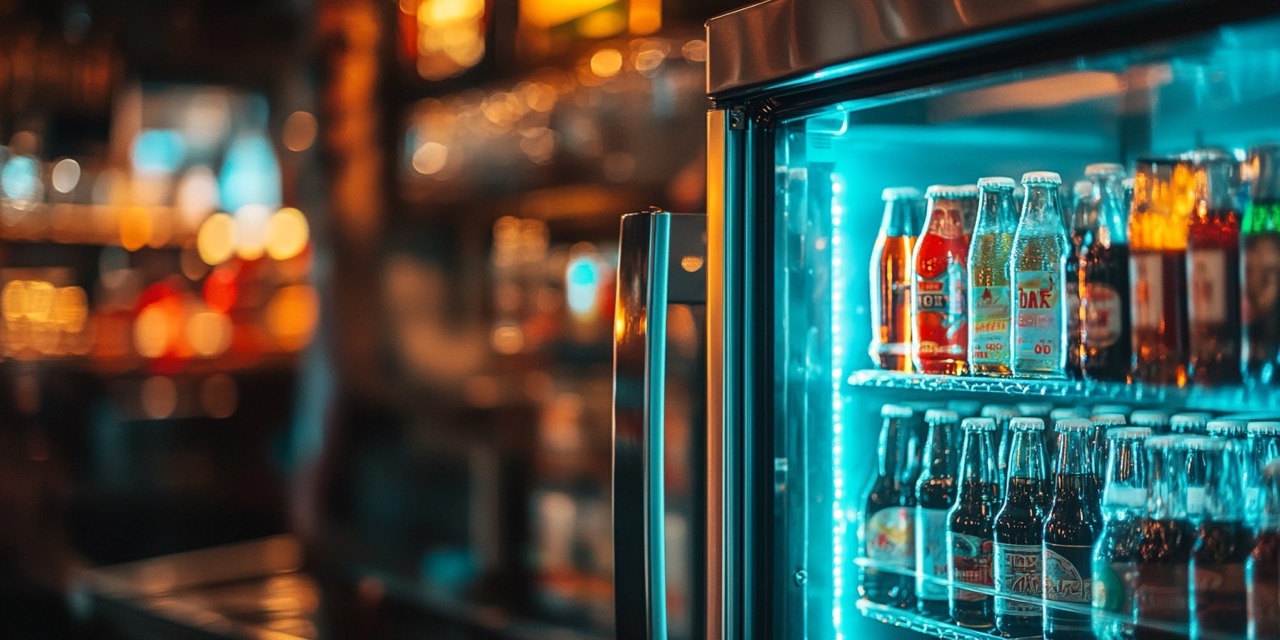
We stick to commercial work—the places where the money is made and lost quickly. We service everything: walk-in coolers, walk-in freezers, glass-door merchandisers for your drinks displays, blast chillers, even those big ice machines that keep a market stocked all day long.
We are licensed and insured because we take this job seriously. When you call us, you’re calling guys who know how to handle high amperage draws on an emergency call at 2 AM while the dinner service is wrapping up. We’re ready when your equipment kicks the can.
Diagnosing the Problem: What’s Actually Going Wrong?
You call us because it’s hot in there. That’s what you hear. But when we pull up to a restaurant on Main Street in Brockton, I can usually tell you if the problem is the condenser or the refrigerant charge just by how loud—or quiet—the unit is running. It ain’t always the compressor failing; sometimes it’s way simpler.
A common thing we see with older walk-in coolers around here? The defrost cycle tripping too often, or worse, not cycling at all because of a bad thermostat or faulty defrost timer. If your evaporator coil is coated in ice that won’t seem to break off, don’t just hit the reset button—we need to check the drain line and the heater element first. Those are cheap fixes if you catch them early.
We walk through this process with you. We aren’t guessing based on a symptom; we’re checking the pressures, testing the amperage draw on the compressor, and verifying that your temperature differential is actually holding steady from top to bottom in that walk-in cooler repair job. Getting the diagnosis right the first time saves you money.
Preventive Maintenance: Keeping Your Cooler Running Through Season Changes
Look, I know you’re busy running a kitchen—you’ve got staff scheduling, inventory counts, and maybe trying to get through that mid-winter freeze on Route 14. The last thing you need is an unexpected breakdown because someone skipped cleaning the condenser coils. Seriously.
If you can afford it once or twice a year—before the summer rush hits, and definitely before the deep cold sets in—a proper PM call makes a difference. We’ll blow out the dirt buildup on the condenser unit—that gunk from the heat exchange system acts like an insulating blanket over your whole setup, making the compressor work way harder than it needs to. That raises your bills.
We’ll check all the gaskets on your reach-in units, test the refrigerant pressure readings across the entire circuit, and give you a rundown on what to watch for between service calls. It’s less hassle down the road. Call us before things get hairy in Brockton proper; it’s better to plan than to wait until the product starts spoiling.
The Brands We Work On Daily
We see everything out here, from brand-new setups near downtown up through older spots closer to the industrial parks. When we’re diagnosing a walk-in cooler repair in Brockton MA, you might have anything—True, Beverage-Air, Manitowoc, Hoshizaki. We’ve got techs who know these machines inside and out.
It matters when you’re dealing with different refrigerants or specific components. A Continental unit has its quirks; a Traulsen walk-in needs a different approach than something older running R-22 gas. My crew knows the specs on all of them, down to the right type of liquid line fitting needed for that expansion valve.
Bottom line: We don’t get specialized in just one make or model. We get results. Whether it’s a glass-door merchandiser acting up at a local market or a full walk-in freezer failure, we bring the right gear and the right experience to get you back to business fast. Give us a call; 508-521-9477.
What a walk in cooler repair brockton ma service call actually covers
When we arrive on a service call, we work through the system in a fixed order so nothing gets skipped. Refrigerant pressures on both the suction and discharge sides. Amp draw on the compressor at start and during steady-state run. Superheat at the evaporator and sub-cooling at the condenser. Evaporator and condenser coil condition, fan motor amp draw and bearing condition, defrost cycle timing and termination, drain line clearance, door gasket seal and door alignment, controls and contactors. The diagnostic is usually 30 to 60 minutes; the repair time depends on what we find.
For commercial walk-ins above 50 pounds of refrigerant charge in Massachusetts, we also document the visit for the operator’s MassDEP Refrigerant Management Program file. RI commercial food establishments need their temperature logs intact and corrective action documented for RIDOH inspections, and our service tickets fit that record set.
Ready to get walk in cooler repair in Brockton, MA?
Looking for the broader picture? See our commercial refrigeration repair services across MA and RI — we cover walk-ins, ice machines, freezers, and restaurant refrigeration for Brockton and the surrounding region.
Pricing a new walk-in for your Brockton location? See our walk-in freezer cost & repair guide — sizing, install cost, maintenance, and what restaurants actually pay.
- South Shore Walk-In Cooler and Freezer Repair
- Other services here: ice machine repair
- Marion, MA
- Reach-In Cooler Repair
- Also serving: walk-in cooler repair in Dartmouth
- Also serving: walk-in cooler repair in Fall River