Walk In Cooler Repair in Raynham, MA: Keeping Your Inventory Cold 24/7
Your walk-in cooler stopped dropping to temperature before the lunch rush. When that happens, every hour matters—you’re not just losing cold air; you’re losing product worth hundreds of dollars an hour.
Why A Walk-In Cooler Failure Hits a Restaurant Hard
For more on refrigerant handling regulations, see EPA Section 608 certification.
You run a business out here in Southeastern Massachusetts. You know what peak season is like. The difference between a smooth service day and one where the walk-in freezer starts humming a worrying rhythm is massive. When that cooler fails, it’s not just an inconvenience; it’s inventory risk.
People think refrigeration is simple: turn it on, it keeps things cold. It ain’t. You got compressors cycling under load, refrigerant pressures fluctuating, defrost cycles timing out—it’s complex mechanical stuff. When a key component quits, whether it’s the condenser fan on a True unit or the evaporator coil icing up on a Manitowoc, everything backs up.
At Armus Refrigeration, we deal with this day in and day out across New Bedford, Fall River, and all the way over to Cape Cod. We don’t see “refrigeration failure”; we see an immediate operational hazard that needs fixing *now*. That’s why you need a company on call, 24/7.
Our Approach: Direct Repair, Not Guesswork
For more on AIM Act phase-down, see EPA SNAP-listed refrigerants.
We aren’t the guys who send out flow charts and read from a textbook. We’re the techs who show up, open the panel, listen to the compressor cycle, and know what that sound means. Edward has been hands-on with commercial equipment for over 15 years in this region.
When you call us at 508-521-9477, you get someone who knows the local rhythm. We’ll drive up to a diner on Route 6 or out near Plymouth and tell you straight what the problem is—whether it’s a failing capacitor, a clogged filter drier, or maybe just the defrost timer needs resetting.
We focus on getting your specific unit—be it a glass-door merchandiser in downtown Fall River or a massive walk-in cooler at a market—running reliably again. We aim for same-day service because downtime doesn’t wait for us to finish our marketing spiel.
Diagnosing the Problem: More Than Just “It’s Warm”
For more on Massachusetts compliance, see EPA Section 608 refrigerant rules.
A lot of folks call and say, “It’s warm in here.” That tells us nothing. A proper diagnosis involves checking refrigerant pressure across the system—reading the high-side and low-side pressures to see if the condenser or evaporator is being starved. We look at amperage draw on the compressor too.
Sometimes the issue isn’t the main unit; it’s something simple like bad electrical wiring or a blocked drain line that’s causing excessive ice buildup in the drip pan, leading to thermal issues. We check all these things because we know what eats up time and money for restaurant owners.
If your prep table or reach-in unit is acting funny—maybe it’s cycling too fast, or maybe the temperature gauge seems erratic—we treat it like a full system failure until proven otherwise. We won’t just guess; we’ll test the components that matter: the compressor, the condenser coil cleanliness, and the expansion valve function.
Walk-In Freezer vs. Walk-In Cooler Repair Specifics
There’s a difference between keeping things at 38 degrees and keeping them at 0 degrees Fahrenheit. The mechanics are related, but diagnosing failure on a walk-in freezer—say, one storing frozen seafood from the South Coast—requires knowing how to manage deeper temperature differentials than a standard walk-in cooler.
We deal with all major brands you see around here: True, Beverage-Air, Hoshizaki. If your unit is older, say 18 years old, and we find it has multiple components nearing end-of-life—like the seals or the motor bearings—we’ll tell you honestly if replacement makes more sense than trying to patch up a few things. We don’t want you spending money on Band-Aids that will fail next winter.
We are licensed and insured, which matters when we’re working deep inside your operation. When the owner of a market in Dartmouth calls because their entire stock of produce is at risk, they need to know the tech showing up has the credentials and the right tools for that specific job.
The Local Knowledge Edge: Serving SE MA & RI
We are local. We live and work covering this whole area. If you’re down near Rehoboth or heading over toward Narragansett, we know the back roads and the traffic patterns. This isn’t a call center dispatch; it’s Edward answering his phone at 10 PM because a restaurant owner is losing revenue.
Last month, I was out in Falmouth helping a place get their ice machine running again—Manitowoc brand, heavy-duty model. It was just a simple blockage on the brine line that had been missed during routine cleaning, but it stopped everything dead for them right before a major weekend event. We got it back up and humming fast.
If you’re anywhere from Providence over to the border towns, we know the geography of downtime. When your food service equipment quits, we’re already oriented toward getting there quickly, whether that means navigating downtown Fall River gridlock or driving out past Mattapoisett.
Getting Back to Business: What Happens When You Call
When you call us at 508-521-9477—any time, day or night—you get straight to the action. We assess the situation over the phone if we can, estimate the timeframe for arrival, and get the right tech rolling toward your kitchen.
We carry the EPA 608 certification because dealing with refrigerant is serious business. It’s not something you treat lightly. When we open up that system, we’re doing it by book, safely, and correctly every single time. We handle everything from minor electrical fixes to major compressor swaps.
Don’t wait until the visible damage starts piling up—the rotten product, the empty shelves. Call us when you notice a slight temp creep or if the unit sounds louder than normal. Catching it early is always better for your bottom line.
Signs Your Walk-In Cooler Needs a Tech Today
Don’t wait until the meat case is warm and you’re looking at thousands of dollars in spoiled inventory. You gotta know what to look for so we can get out there with the right tools, the first time.
First off, temperature swings are a big red flag. If your walk-in cooler reading jumps up five degrees overnight when it should be rock steady at 38°F, something’s wrong. Is the condenser fan running slow? Did the defrost cycle trip prematurely on that True unit in Raynham? That’s what we look for.
Another thing we see all the time is excessive frosting inside the evaporator coil. If it looks like a white shag carpet, your defrost system—whether it’s the timer or the heating elements—isn’t kicking in right. Or maybe you hear a strange humming noise coming from the compressor that sounds more like rattling than running? That means something’s loose, and we need to take a look before it burns out completely.
Keeping Your Walk-In Cooler Running: Our Maintenance Checklist
A lot of folks think “maintenance” means just changing a filter. Nope. It’s more involved. If you run a serious operation in Raynham—whether it’s a busy bakery off Main Street or a market out near the edge of town—you can’t afford surprises.
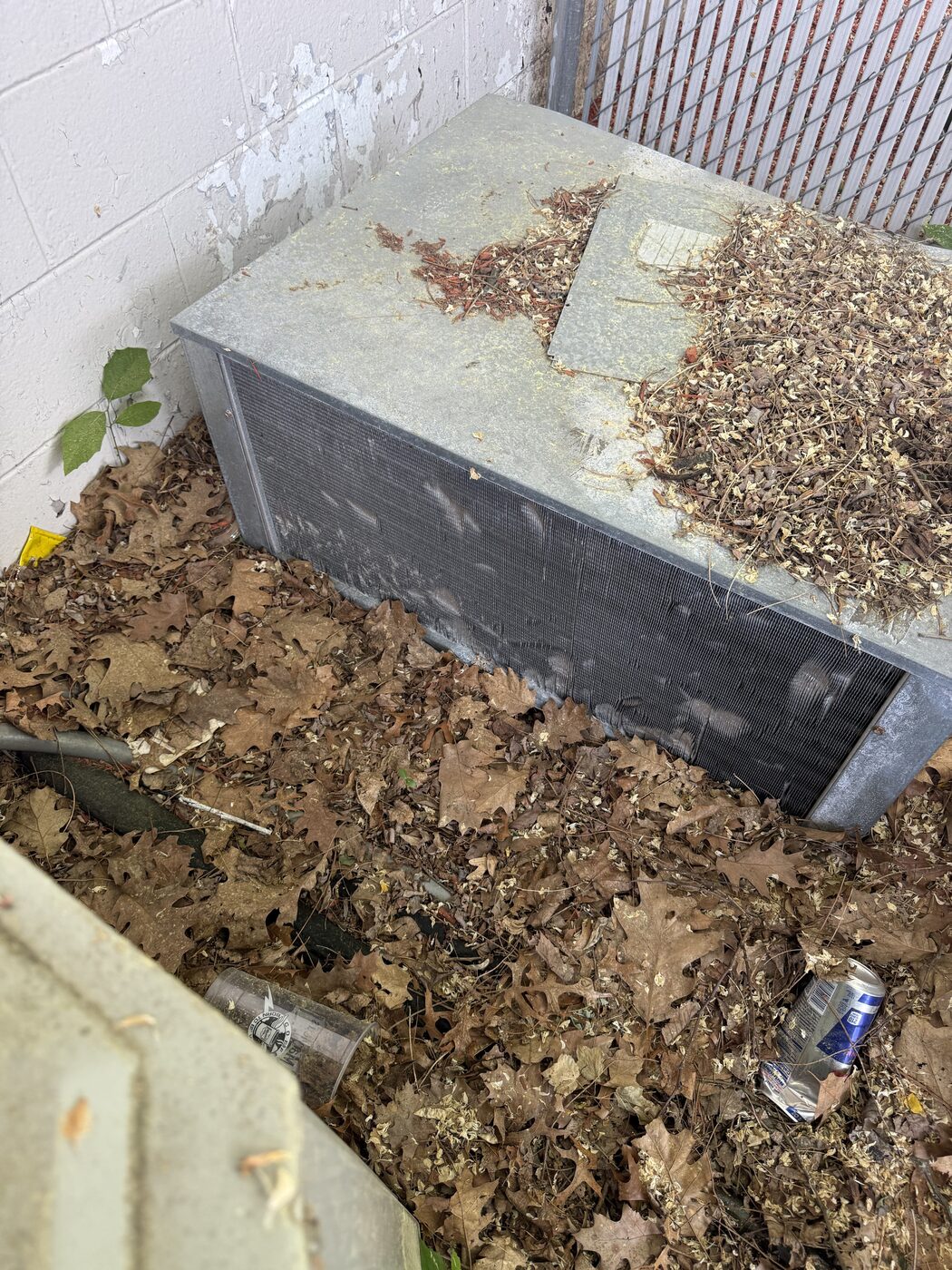
Our routine check-up covers everything: checking refrigerant pressure across the lines, making sure the condenser coils aren’t choked with grime from that local humidity, and testing all the door seals. Bad gaskets let in warmer air faster than you think, forcing the compressor to run overtime until it quits.
We recommend a semi-annual service visit. It lets us catch the tiny issues—like a slightly sticky expansion valve or buildup on the drain pan—before they become an emergency that costs you hundreds of bucks in lost product and labor charges. Call 508-521-9477 to set up a time.
The Brands We Service Day In And Day Out
We’ve seen every brand, from the big names running deep into Providence right down here near Walpole. But we know the common workhorses of this area. If you’re running a reliable unit, chances are it’s a True or maybe a Beverage-Air setup. We treat them all the same way: with solid mechanical knowledge.
We’ve pulled apart everything from Hoshizaki prep tables to Manitowoc ice machines and Continental reach-ins. The principle is the same regardless of the brand sticker on the side—they all need proper refrigerant flow, clean components, and consistent electrical draw. Knowing which parts go where, whether it’s a specific capacitor for an older compressor or a new sensor array, saves us time when we pull up to your spot.
When you call us out here in Raynham, you’re calling a crew that knows how these machines are built, not just which button to press. We diagnose the actual failure point—the faulty relay, the clogged capillary tube, whatever it is.
What a walk in cooler repair raynham ma service call actually covers
When we arrive on a service call, we work through the system in a fixed order so nothing gets skipped. Refrigerant pressures on both the suction and discharge sides. Amp draw on the compressor at start and during steady-state run. Superheat at the evaporator and sub-cooling at the condenser. Evaporator and condenser coil condition, fan motor amp draw and bearing condition, defrost cycle timing and termination, drain line clearance, door gasket seal and door alignment, controls and contactors. The diagnostic is usually 30 to 60 minutes; the repair time depends on what we find.
For commercial walk-ins above 50 pounds of refrigerant charge in Massachusetts, we also document the visit for the operator’s MassDEP Refrigerant Management Program file. RI commercial food establishments need their temperature logs intact and corrective action documented for RIDOH inspections, and our service tickets fit that record set.
Ready to get walk in cooler repair in Raynham, MA?
Call 508-521-9477 Schedule NowFrom Raynham Center to the plazas on 44, cooler calls are quick highway runs for us at any hour. Ice production trouble in the same building belongs to the Raynham ice machine page, the rest of our cold-side coverage across Southeastern Massachusetts and Rhode Island is on the Armus Refrigeration homepage, and a box that’s drifting right now warrants the phone: 508-521-9477, answered live around the clock.
- how much does a walk in cooler cost new bedford guide
- reach in cooler repair fall river ma
- what temperature should a walk in cooler be
- why is my walk in cooler freezing up causes fixes
Frequently Asked Questions
Who inspects walk-in coolers and freezers in Raynham, MA?
Raynham food establishments follow the Massachusetts food code, 105 CMR 590, and the Raynham Board of Health issues the permits, including temporary food permits, and does the inspections. Cold holding is the refrigeration rule they check: TCS food at 41°F or below, measured in the product. A walk-in that holds 41°F at the coil but 44°F on the shelf by the door is still a finding.
Raynham is inland. Do walk-in coolers here have different problems than the coastal towns?
Yes, and mostly for the better. Without salt air, Raynham condensers do not corrode the way units in Fall River or Somerset do. What they get instead is the humid, wetland summer air off the Taunton River and the Hockomock Swamp side of town, which loads the evaporator and frosts coils when a door gasket or defrost cycle is marginal. Pollen and highway dust along Route 138 and Route 44 pack condenser fins, so seasonal coil cleaning matters just as much.
Do you service the restaurants and plazas along Route 138 and Route 44, and the vendors at the flea market?
Yes. The Route 138 and Route 44 corridors, the plazas at the highway crossroads, the Raynham Woods Commerce Park and the food vendors at the Raynham Flea Market all run the same equipment: walk-in coolers and freezers, reach-ins, prep tables, display cases and ice machines. One dispatch covers the whole building, and the truck carries the common gaskets, fan motors, controls and start components for each unit type.
My walk-in cooler in Raynham runs all day and still will not get below 45°F. What is the likely cause?
A cooler that never cycles off and stalls in the mid-40s is short on capacity for a reason we can measure: a condenser coil packed with dust and grease, a slowed fan motor, a low refrigerant charge from a slow leak, or an evaporator that has iced over. A failed compressor is the least common cause and usually does not run at all. We pull pressures, amp draw and superheat before we name the part.
Should we shut the walk-in freezer down if it stops holding temperature?
No. Leave it running and keep the door shut. A loaded, closed freezer holds well below freezing for hours, and a compressor that is still running means the problem is often airflow or defrost rather than a total failure. Probe product every hour and log it. Move the highest-value product to another cold box if you have one, and do not restock until the box is back below 0°F and holding.