Why Pre-Season Service Pays
Hot kitchens + summer ambient heat = stressed refrigeration. A 60-minute tune-up can prevent a 2-day outage and product loss.
Our 18-Point Walk-In Tune-Up
- Clean condensers (indoor/outdoor)
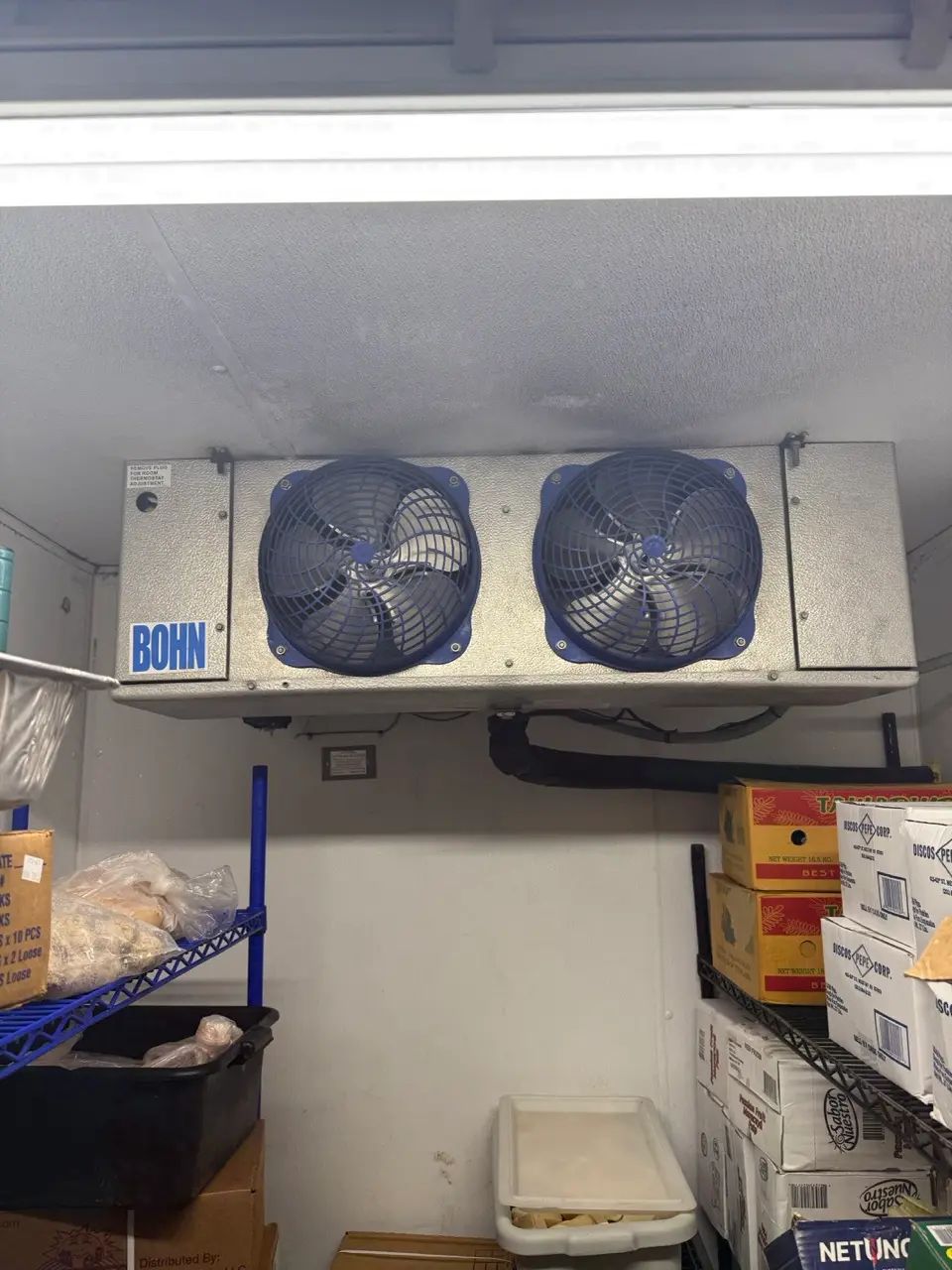
- Inspect/clean evaporators & verify defrost operation
- Check superheat/subcooling, refrigerant levels, leaks
- Tighten electrical, inspect contactors/capacitors
- Verify door heaters, strip curtains, sweeps
- Test fan motors/ECM upgrades opportunities
- Calibrate temperature controls & alarms
- Inspect drains and pan heaters (freezers)
- Document before/after temps and amp draws
Add-On Upgrades That Pay Back
- ECM evaporator motors (energy savings)
- LED lighting & door switches
- Smart temp monitoring with text alerts
- New gaskets/closers to stop infiltration
Best Time to Schedule
Spring and fall shoulder seasons = quicker appointments and promo pricing.
CTA
Get on our preventive maintenance plan—priority response + seasonal tune-ups. Call 508-521-9477.
FAQ
Do tune-ups void my warranty? No—documentation helps warranty claims.
How often should I service? Quarterly for heavy use; at least bi-annually for most restaurants.
4) New Restaurant Checklist: Choosing the Right Walk-In & Keeping It Running
Meta Title: New Restaurant Walk-In: Sizing, Layout & Maintenance Checklist
Meta Description: Opening a restaurant or café? Use this checklist to size your walk-in cooler/freezer, plan layout, and avoid the most expensive mistakes.
Step 1: Pick Cooler vs. Freezer (or Combo)
- Walk-In Cooler: 34–41°F for produce/dairy/beverage
- Walk-In Freezer: 0°F for long-term storage
- Combo Box: Saves footprint but requires careful load design
Step 2: Sizing & Layout
- Start with par levels and delivery frequency
- Allow 6–8″ clearance around coils; don’t block fans
- Place doors away from cooklines and dish areas to reduce heat/moisture
- Add shelving that doesn’t trap airflow under evaporators
Step 3: Decide Indoor vs. Outdoor
- Outdoor units free up kitchen space; confirm slab, canopy, and weather kits
- Indoor units avoid roof work but need ventilation and service clearance
Step 4: Energy & Health Code Must-Haves
- Door closers, gaskets, strip curtains
- ECM fans & LED lights
- Temp logging and alarm setpoints (41°F cooler / 0°F freezer targets)
- Routine ice machine cleaning if you serve iced drinks
Step 5: Service Plan = Fewer Emergencies
- Quarterly condenser cleans
- Bi-annual tune-ups (verify defrost, check charges, electrical, drains)
- Keep a “call list” posted by the office phone with 508-521-9477 for fast dispatch
CTA
Opening soon or taking over an existing space? Get a start-up inspection and maintenance plan to protect your inventory from day one. Call 508-521-9477.
FAQ
Can I reuse an old walk-in? Often yes, but inspect panels, gaskets, and the refrigeration package.
What brands do you service? Most major OEMs for coolers, freezers, and ice machines.
What a Real Pre-Season Tune-Up Actually Covers
A tune-up that is worth paying for is not a rinse and a visual once-over. On a walk-in cooler or freezer, ours works through the full refrigeration circuit: condenser coil cleaned to bare metal and airflow verified, evaporator coil and fan blades cleaned and checked for even frost pattern, refrigerant charge measured against the manufacturer’s superheat and subcooling targets rather than guessed from pressures alone, and every electrical connection in the condensing unit checked for heat discoloration — the early signature of a contactor or capacitor on its way out.
The box itself gets equal attention, because half of all mid-season emergencies start outside the refrigeration circuit. Door gaskets are checked with the paper test along all four edges, hinges and closers adjusted so the door actually seals under its own weight, drain lines flushed hot to kill the winter’s algae before it plugs the pan in July, and defrost cycles watched end to end to confirm the heaters pull the coil fully clear. We log box temperature and pull-down time against last year’s numbers, so drift shows up on a clipboard a season before it shows up as spoiled product.
Timing matters more than most owners expect. The right window in Massachusetts and Rhode Island is April through early June — after the equipment has survived winter restarts and before the first sustained heat wave, when service calendars across the region fill up in a single week. A unit tuned in May goes into July with clean coils, a verified charge, and every wear part inspected; a unit that skips the visit meets its first 90-degree week with whatever the winter left behind.