Ice Machine Repair in Carver, MA
Your ice machine is down on a busy Saturday morning. You’re looking at melted inventory and customers getting annoyed because the drinks are running low. When that happens, every minute counts.
Why Your Ice Machine Stops Working (It’s Not Always the Compressor)
For more on refrigerant handling regulations, see EPA Section 608 certification.
When you call us out to Carver—or anywhere else from Plymouth down through the South Coast—I don’t just jump straight to the compressor. I look at the whole picture. Most people assume it’s a simple electrical failure, but refrigeration is complex. It involves cooling cycles, water flow, and precise pressure readings.
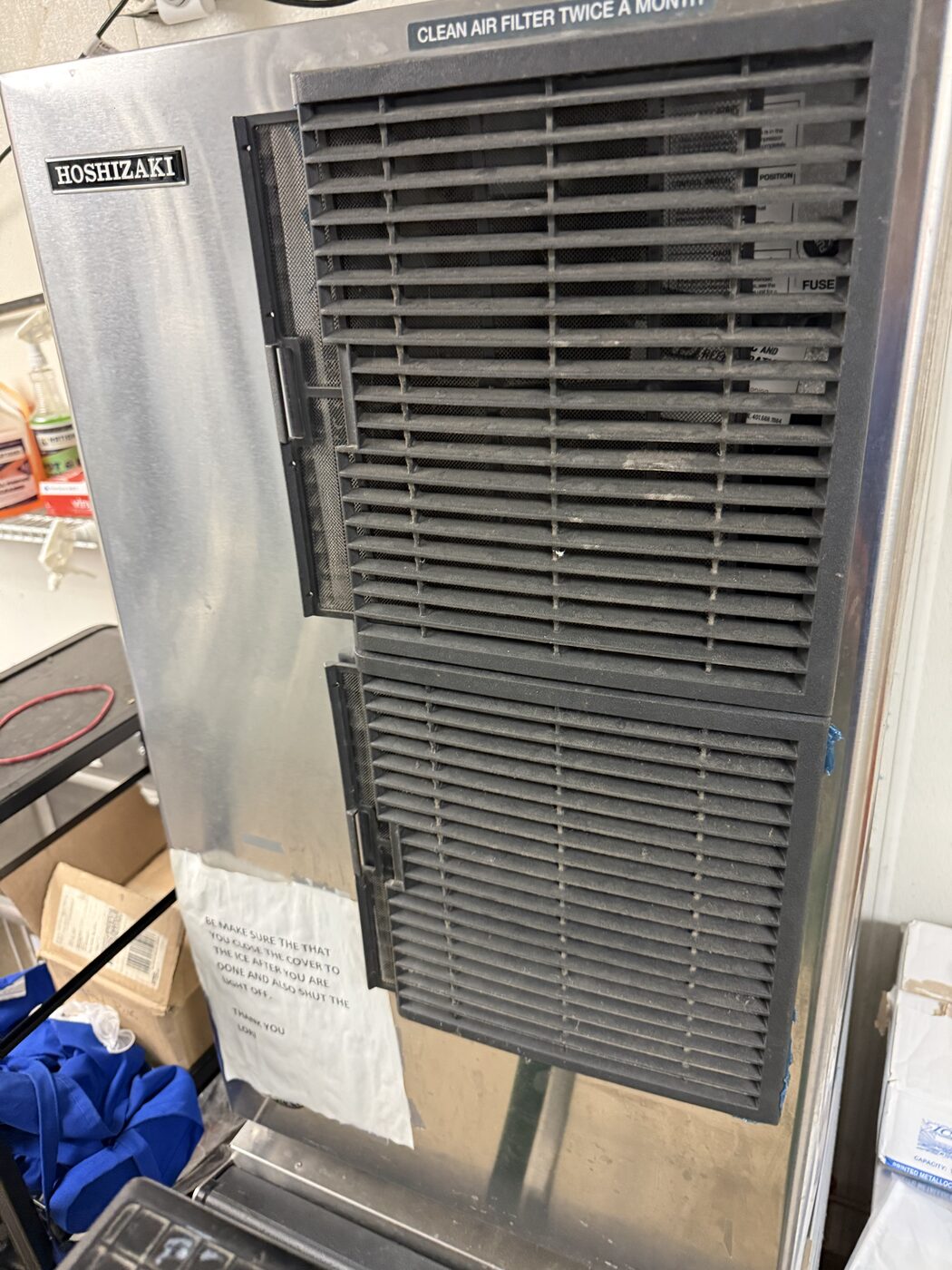
A machine going down could be anything from a tripped breaker in your panel, a clogged drain line that’s causing freeze-ups, or maybe the expansion valve isn’t regulating refrigerant flow right. We’ve seen this exact setup—a nice looking Manitowoc unit at a local deli off Route 6 last fall—and it wasn’t the main compressor; it was a dirty filter restricting airflow to the condenser coil. It’s those small, overlooked parts that cause the biggest headaches.
We need you to know what we check for right away: proper voltage supply, condensate drain function, and refrigerant charge integrity. We don’t guess; we diagnose based on 15 years of seeing everything from old Coca-Cola coolers to brand new Beverage-Air units break down.
The Emergency Response When You Need Ice Now
For more on Massachusetts compliance, see EPA Section 608 refrigerant rules.
Let’s be straight: when your ice machine is out, you can’t wait until business hours the next day. That lost revenue adds up fast, especially if you run a spot that relies on high-volume drinks or food prep.
That’s why we focus on emergency response. We are here 24/7 because I know what it’s like to answer the phone after hours when the lights feel too bright and the problem is right in your corner. If you’re near Carver, Plymouth, or anywhere else along that stretch of coast, give us a call at 508-521-9477. We treat these calls like they are for our own kitchen—immediate action.
We show up licensed and insured, ready to get your operation running again. When you need ice fast, you don’t want someone who has to “check their manual.” You want a tech who knows the equipment inside and out.
Diagnosing Your Ice Machine: More Than Just Turning It On
The mechanics of an ice machine are specific. We’re talking about the interaction between the evaporator, which pulls the heat out, and the condenser, which dumps it. The refrigerant circulates through these components using a precise pressure curve. If the pressure is too high or too low anywhere in that cycle—maybe due to a failing capillary tube or an old start capacitor—the machine won’t produce ice, no matter how clean everything looks.
We work with all the major brands you see out here: True, Hoshizaki, Continental. Whether it’s a glass-door merchandiser unit needing service or a dedicated ice maker for your back prep area, we handle the technical side. We’ll test the refrigerant pressure, check the defrost cycle timing, and ensure the primary cooling components are doing their job right.
If you’re running a high-volume spot in Carver that needs reliable ice year-round—through heavy use in the summer or unexpected cold snaps—understanding the system is key. We explain it to you plainly: what’s failing, why it failed, and what swapping out the part versus replacing the whole unit makes sense.
Preventative Service for Longevity (Before It Breaks Down)
For more on AIM Act phase-down, see EPA SNAP-listed refrigerants.
It sounds counterintuitive when you’re in a crisis mode, but I always push preventative service. A routine visit—even if your machine seems fine—can save you headaches next winter or during the peak season madness.
When we do scheduled maintenance on an ice machine, it’s about more than just cleaning off some grime. We’re looking at wear patterns. Are the gaskets holding up? Is the water filter rated for the local mineral content? Sometimes a simple descaling process can keep the heat exchange surfaces working optimally, preventing scale buildup that chokes the cooling efficiency.
We’ve pulled up to a small seafood spot near Plymouth last month whose machine was running hot. It looked fine, but after checking the water intake lines, we found mineral deposits that were restricting flow into the main heat exchanger. A simple flush and scale treatment got it running sweet again for weeks.
When Repair Isn’t Enough: Knowing When to Replace
This is the honest part of the job. I’ve seen units—even well-maintained ones—that are nearing the end of their useful life. Sometimes, a unit that’s 18 or 20 years old develops multiple issues across its lifespan. You might fix the compressor today, but next month the evaporator fan motor gives out, and the month after that, you find corrosion on the main electrical board.
We won’t waste your money keeping a dinosaur running if it’s got too many weak points. If the cost of multiple parts replacements approaches 50% or more of what a new, efficient machine costs, we sit down with you and walk through the numbers honestly. We help you decide: is this repair going to last another three years reliably, or would a modern replacement make more sense for your bottom line?
We are licensed and fully insured because when we tell you what’s best—repair or replace—it’s based on actual mechanical reality, not just the job at hand.
Getting Service in Carver and Surrounding Towns
If you’re working out of a restaurant in Plymouth, or maybe a market down toward basic Bridgeport/Fall River access points, we treat it like we’re right there. Our area is pretty spread out, so knowing the local geography matters when time is money.
We cover Carver, and everything around that stretch—Dartmouth, Mashpee, Plymouth proper. If you’re heading up toward Cape Cod from this side, or down towards New Bedford, we know the back roads and the main arteries. We get to your location quickly because we live and work in this region.
We handle everything from small prep table coolers to full walk-in freezer banks. If it’s commercial refrigeration equipment that keeps your business running, give us a call at 508-521-9477. We’ll get a tech rolling toward you fast.
Diagnosing the Problem: What’s Actually Wrong With Your Ice Machine?
You call us because the ice machine isn’t spitting out cubes like it should be, or worse—it’s making a weird humming noise and nothing comes out. Sounds simple enough, but it could be anything from a clogged drain line all the way up to a bad main compressor.
When we pull into a place in Carver, especially down near Plymouth Road where there are all those busy diners, we don’t just guess. We check refrigerant pressure first. Is the system cycling right? Are we seeing proper head and suction pressures on the lines leading to the evaporator? A simple clog from scale build-up can throw off those readings fast.
Sometimes it’s the water feed itself—a mineral buildup in the capillary tube, or maybe the filtration is shot. We’ve seen it with older Manitowoc units around here; they just get gummed up. Don’t let a bad cycle sensor fool you into thinking it’s an electrical thing when the real issue is mechanical restriction.
What to Expect When a Tech Shows Up in Carver
If your ice machine is down, time is money. You can’t sell breakfast sandwiches or cold drinks if the backup cooler is empty because the ice machine quit. So, what happens when one of our techs gets rolling toward your spot? We show up ready to dig in.
First off, we assess the immediate damage and give you a straight rundown of what we think it is—no fancy jargon until you ask for it. If it’s a simple fix, like resetting a tripped breaker or replacing a faulty sight glass, we’ll get that done fast so you can get back to business.
If it’s bigger—like needing to pull the head off and check the condenser coil for scale buildup from local water hardness—we’ll let you know upfront. We won’t pad the bill with unnecessary parts or hours. You hear it, you agree to it. That’s how we do things here in Pierce County.
Keeping It Running: The Carver Preventive Maintenance Checklist
When everything is working right, that’s when most folks forget about maintenance until something breaks. But keeping a regular schedule on your ice machine—whether it’s True or Beverage-Air—saves you headaches (and cash) down the line.
A good preventative service call usually involves checking the water filtration system thoroughly. We flush out scale deposits, check the antifreeze levels if needed for winterization before the freeze hits Cape Cod proper, and clean the condenser coils so your compressor isn’t working overtime trying to shed heat in the humid South Coast air.
Don’t wait until you hear that alarming clunking sound. Call us before the slow seasons hit hard. A quick tune-up now beats an emergency service call costing you a chunk of change when you’re scrambling to keep your coolers stocked for the summer rush in Carver.