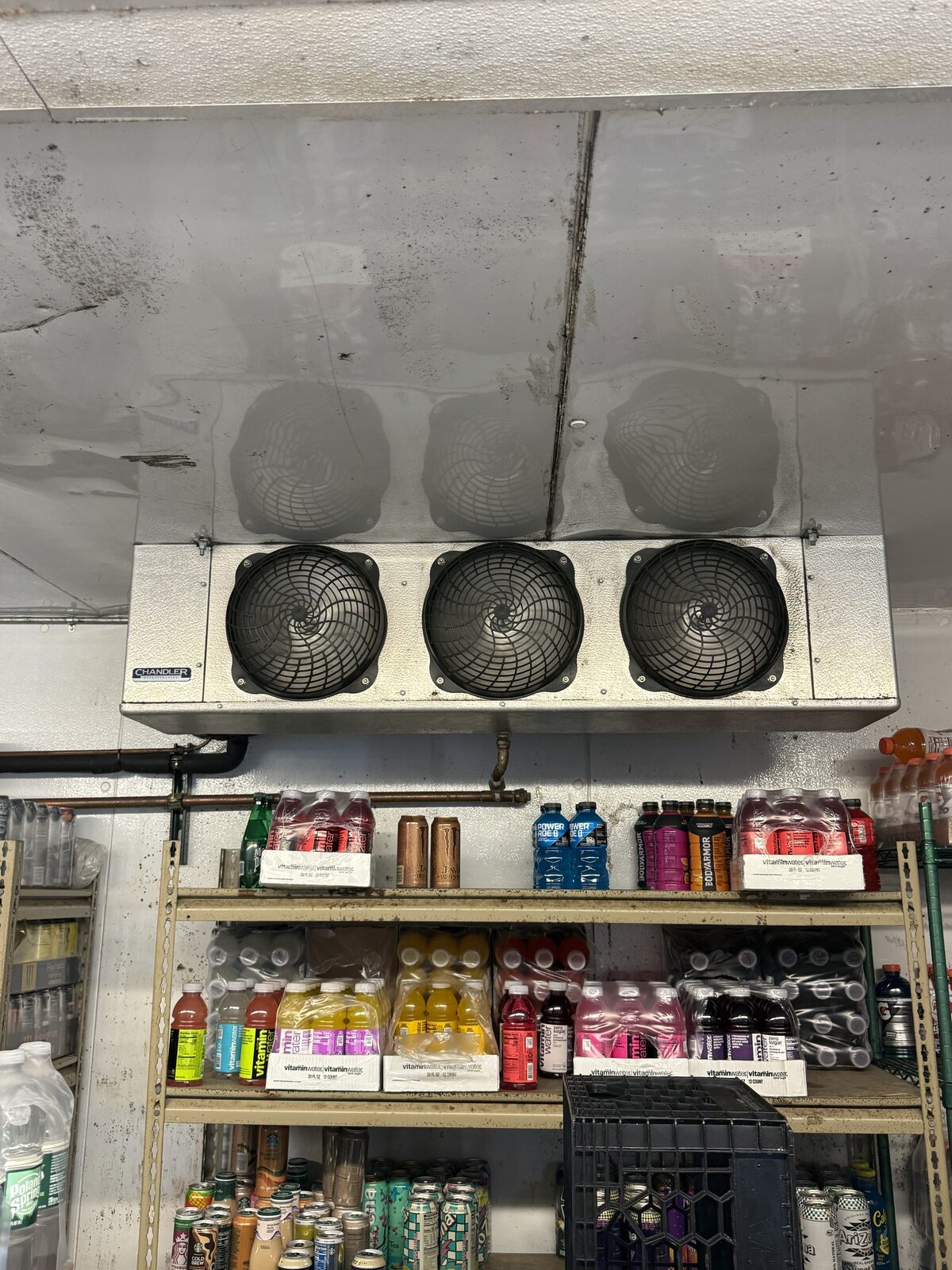
Your walk-in freezer cost can spiral fast if you skip the basics—like proper insulation and energy efficiency. A single day of downtime in New Bedford or Providence can cost thousands, especially during peak season. Freezing temps aren’t just about cold—they’re about compliance, safety, and keeping energy bills in check. Without R-32 insulation and proper vapor barriers, your system fights itself, wasting power and raising long-term costs. Even a small leak in the sealant or a faulty anti-condensate heater can trigger costly repairs. The 10 CFR 431.306 energy standards aren’t just rules—they’re your best defense against surprise bills and failed inspections. Quick fixes now save serious headaches later.
Walk-In Freezer Cost: What’s Really Behind the Price Tag?
Walk-in freezer cost isn’t just about the unit price. Real costs hide in insulation, energy use, installation, and compliance. Federal rules under 10 CFR 431.306 demand R-32 insulation for freezers, R-28 for floors, and R-25 for coolers. Skip these specs, and you’re risking energy waste and failed inspections. Even a tiny gap in the vapor barrier—like missing a continuous 3/8-inch bead of butyl sealant—can wreck insulation performance. Kolpak’s manual says thermal breaks are mandatory in freezer floors to stop heat transfer from concrete. Anti-condensate heaters on doors must run properly; frost around the jamb means trouble. If your walk-in has glass doors, heater power must adjust to humidity or condensation—per 10 CFR 431.306. And don’t forget energy efficiency: low-temp units must meet a 4.15 Btu/W-h minimum. That’s not a suggestion—it’s law. Even a small design flaw in refrigerant superheat (like running 15°F instead of 6–10°F) can spike energy bills. Compliance isn’t paperwork. It’s about keeping food safe and your freezer running right. If you’re in New Bedford or RI, a walk-in freezer cost that ignores these standards will cost you more in the long run. Armus Refrigeration, 88 Mill St, New Bedford, MA — 508-521-9477.
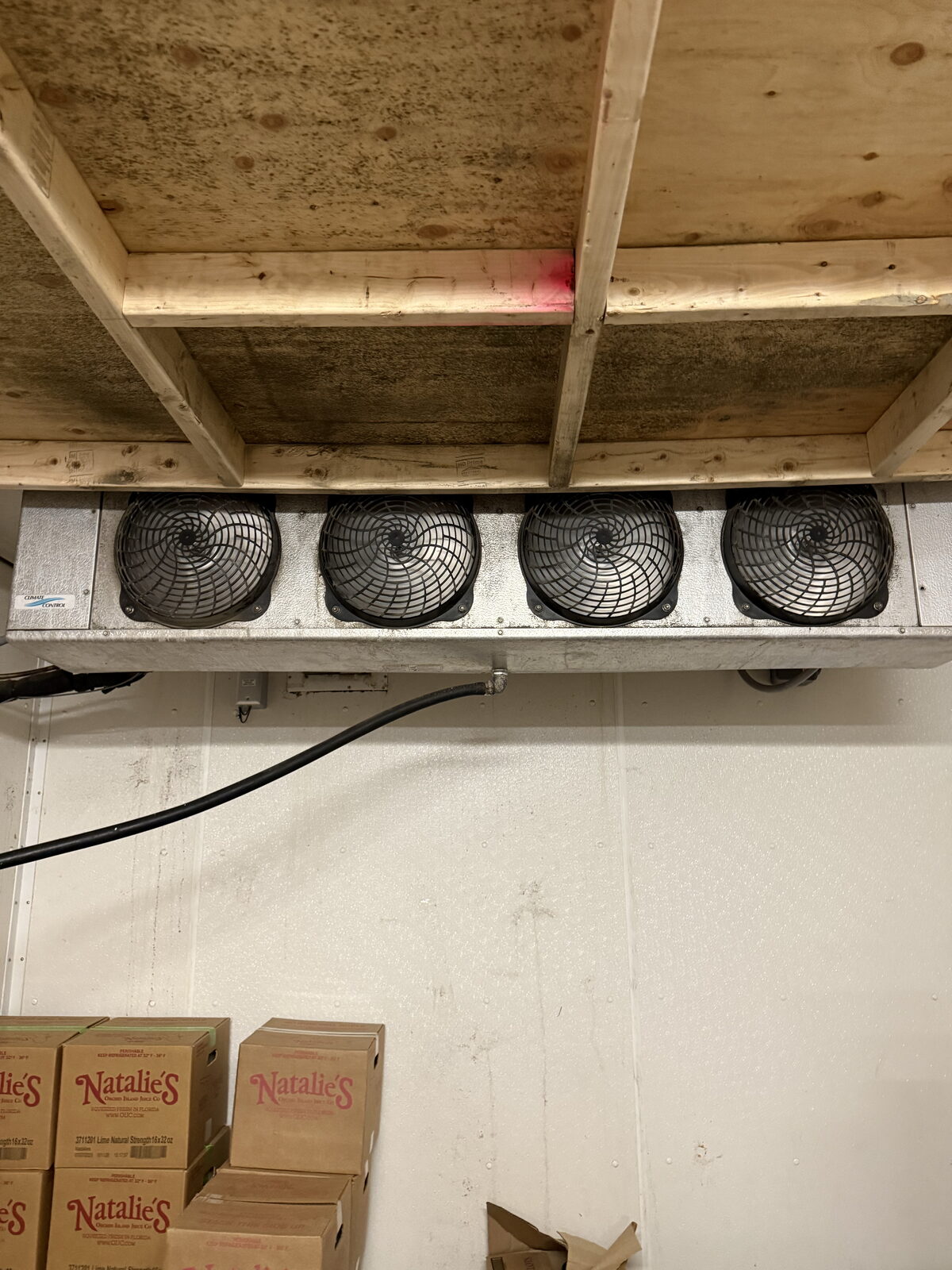
Why Energy Efficiency Drives Walk-In Freezer Cost Long-Term
Walk-in freezer cost isn’t just about the sticker price. The real expense shows up in energy bills over time. Federal standards like 10 CFR 431.306 set minimum insulation levels—R-32 for freezers, R-28 for floors—to keep cold in and energy out. A poorly insulated system fights the refrigeration cycle constantly, raising energy use and costs. Even small gaps or bad seals, like skipping the required 3/8-inch butyl bead around the frame, can wreck the vapor barrier and lead to costly moisture and frost buildup.
Efficiency isn’t just insulation. It’s how the system runs. For example, Heatcraft says optimal evaporator superheat (6°F to 10°F) boosts efficiency in unit coolers. If the system runs too hot, the compressor works harder, driving up energy use. Defrost timing also matters—on multi-evaporator systems, wiring defrost controls in series ensures every coil fully defrosts, avoiding ice buildup that strains the system.
Even small savings add up. Danfoss notes hot gas defrost optimization can cut total system energy by 5% or more. Over years, that’s hundreds, even thousands, in savings. When you factor in walk-in freezer service needs, a well-maintained, efficient system runs longer, breaks down less, and costs less to operate. For New Bedford and RI businesses, investing in a compliant, efficient system isn’t just smart—it’s essential.
Custom Walk-In Freezers: What You Pay For (And What You Get)
Custom walk-in freezers aren’t one-size-fits-all. The choices you make up front affect walk-in freezer cost, efficiency, and long-term walk-in freezer repair needs. For New Bedford and RI businesses, a custom setup isn’t luxury—it’s necessity.
Indoor or outdoor use changes everything. Outdoor units need extra insulation, rust-resistant frames, and sealed electrical boxes. Floor insulation must meet R-28 minimums, per federal standards. A thermal break between interior and concrete floor is non-negotiable for freezers—Kolpak’s manual insists on it to prevent heat transfer and moisture damage.
Door type matters. Standard hinged doors are cheaper, but roll-up or transparent reach-in doors add cost—and complexity. If your freezer has a glass door, anti-sweat heaters are required. If the heater draw exceeds 7.1 watts per sq ft, controls must adjust based on outside humidity or condensation on the glass—per 10 CFR 431.306.
Refrigerant choice affects compliance and repair. Starting 2029, EPA’s reclamation rules require reclaimed HFCs for repairs, not virgin refrigerant. That’s already shaping how we plan repairs.
Coolers and freezers must meet NSF and FDA Food Code standards. Cold holding must stay at 41°F or below—most set mid-to-high 30s to stay safe, not just legal. Proper insulation (R-25 for coolers, R-32 for freezers) and a sealed vapor barrier with butyl sealant around every joint are critical.
Armus Refrigeration, 88 Mill St, New Bedford, MA — 508-521-9477 has served the region for over fifteen years. We know what works—and what doesn’t.

Walk-In Freezer Service & Repair: Protect Your Investment
A walk-in freezer isn’t just a storage space—it’s a critical part of your food safety and profit system. Skip regular walk in freezer service, and you risk temperature drift, moisture damage, and premature failure. Even a small gap in the vapor barrier or a failed anti-condensate heater can ruin insulation performance. Kolpak’s manual insists on a continuous 3/8-inch bead of butyl sealant and thermal breaks in freezer floors—these aren’t optional. If frost appears around the door jamb, it’s not just a nuisance. It’s a sign the heater’s failed or moisture is seeping in. Left unchecked, that leads to insulation breakdown and higher energy bills.
Repair isn’t just about fixing what’s broken—it’s about catching small issues before they become big problems. A defrost control wired incorrectly can leave ice behind, forcing the compressor to run longer and wear out faster. The FDA Food Code requires cold-holding at 41°F or below, but setting your cooler too close to that limit means any temperature spike can put your food at risk. Service keeps your unit running efficiently and within code.
Under EPA’s HFC rules, the owner is responsible for leak inspections, 30-day repairs, and recordkeeping. A technician can help, but the duty is yours. That’s why consistent walk in freezer repair and maintenance isn’t a cost—it’s a savings. Preventive service extends your system’s life and avoids the high cost of full replacements.
Armus Refrigeration, 88 Mill St, New Bedford, MA — 508-521-9477 has served the region for over fifteen years. We know what works—and what doesn’t.
What Our Techs Check First (From the Field)
When we pull up to a walk-in that’s not holding temp, we don’t guess. We follow a field-tested order. First, check the door sealant—Kolpak requires a continuous 3/8-inch bead around the entire perimeter. A gap means moisture and energy loss. Next, inspect the door sweep and gasket. It must seal all the way around, no gaps. If it’s loose or torn, adjust or replace it. Then, look for frost or condensation near the door jamb. That’s a red flag—either the anti-condensate heater is dead or there’s too much humidity. We test the heater circuit. If the floor is cold and wet, check for missing thermal breaks between the interior and exterior concrete slab. That’s a code issue. Finally, verify insulation levels: R-32 for freezers, R-28 for the floor. If it’s lower, it’s not just inefficient—it’s a violation of 10 CFR 431.306. We fix what’s broken, not what’s assumed.
Frequently Asked Questions
How much does a new walk-in freezer cost in New Bedford, and what affects the price?
Walk-in freezer price varies based on size, insulation, refrigerant type, and energy efficiency. Higher efficiency models meet 10 CFR 431.306 standards and reduce long-term energy costs. Installation complexity and local labor rates in New Bedford also impact total cost. We provide free quotes—no hidden fees.
Is energy efficiency really that important for walk-in freezers?
Absolutely. Units must meet minimum energy standards like 4.15 Btu/W-h for low-temp models under 10 CFR 431.306. Poor efficiency means higher energy bills and possible violations. We design systems to meet these standards, cutting waste and saving you money over time.
Do I need special leak inspections for my walk-in freezer’s refrigerant system?
If your system holds 500 pounds or more of refrigerant, you must conduct quarterly leak inspections under EPA rules. For smaller systems, annual checks suffice. If you add refrigerant, you must calculate leak rates and repair within 30 days. These duties fall to the owner, not just the technician.
Related Services
- Walk-In Cooler Repair in Sandwich, MA
- Walk-In Cooler Repair in New Bedford, MA
- Walk-In Cooler Repair in MA & RI
Sources We Work From
The standards and manufacturer service requirements behind this page:
- Ice-O-Matic ICE0250–ICE2100 Service and Installation Manual, Part No. 9081270-01
- 42 U.S.C. 6311(20), Definitions
- Kolpak Walk-In Installation & Operation Manual
- Danfoss white paper, Hot gas defrost of low temperature refrigeration evaporators with natural refrigerants (10th IIR Gustav Lorentzen Conference)
- 10 CFR 431.306, Energy conservation standards for walk-in coolers and walk-in freezers
- FDA Food Code, section 3-501.16
For the rules and standards behind this work, see the FDA Food Code and ENERGY STAR commercial food service guidelines from the federal agencies that govern commercial refrigeration.
How we write these: every procedure, temperature and interval on this page is taken from manufacturer service literature or federal food and refrigerant code, listed in Sources above, and reviewed by our own technicians against what we see in the field. We revise the page when a standard or a manufacturer procedure changes.