When your commercial refrigeration equipment fails, every minute counts. A broken cooler or freezer can ruin inventory and hurt your bottom line fast. That’s why a reliable commercial refrigeration repair service isn’t a luxury—it’s essential. At Armus Refrigeration, we know the pressure you’re under. Our team handles everything from sudden breakdowns to scheduled checks, so you can keep your food safe and your doors open. Whether it’s a wine cellar unit in a corner soffit or a walk-in cooler, we respond fast. We follow industry standards like NSF/ANSI 7:2024 and FDA Food Code guidelines to ensure your appliance meets safety and performance expectations. Call us anytime—your time is too valuable to wait.
Why Commercial Refrigeration Repair Service Matters in Southeastern MA
When your commercial refrigeration system fails, downtime costs money—fast. In Southeastern MA, where restaurants, markets, and foodservice operations run on tight margins, a broken cooler or freezer isn’t just inconvenient. It’s a threat to food safety, customer trust, and compliance. Our commercial refrigeration repair service responds fast because we know a leak above 20% per year triggers EPA-mandated repair requirements, and systems holding 50+ pounds of refrigerant must be checked regularly. Even smaller HFC leaks—starting at 15 pounds—now count under the AIM Act, making timely maintenance non-negotiable.
We follow manufacturer standards like Heatcraft’s semi-annual checklists, verifying superheat, oil pressure, and contactor condition before adjusting. Kolpak’s guidance on door gasket sealing and Copeland’s head pressure controls for low ambient temps are part of every service call. A dirty condenser coil? That’s in U-Line’s troubleshooting guide—and we check it. Regular maintenance keeps your system running right, avoids penalties, and extends equipment life. At Armus Refrigeration, 88 Mill St, New Bedford, MA, we’re local, we’re fast, and we fix what matters. Call us—your system depends on it.
Your Refrigeration System’s Health: Preventive Maintenance That Saves Money
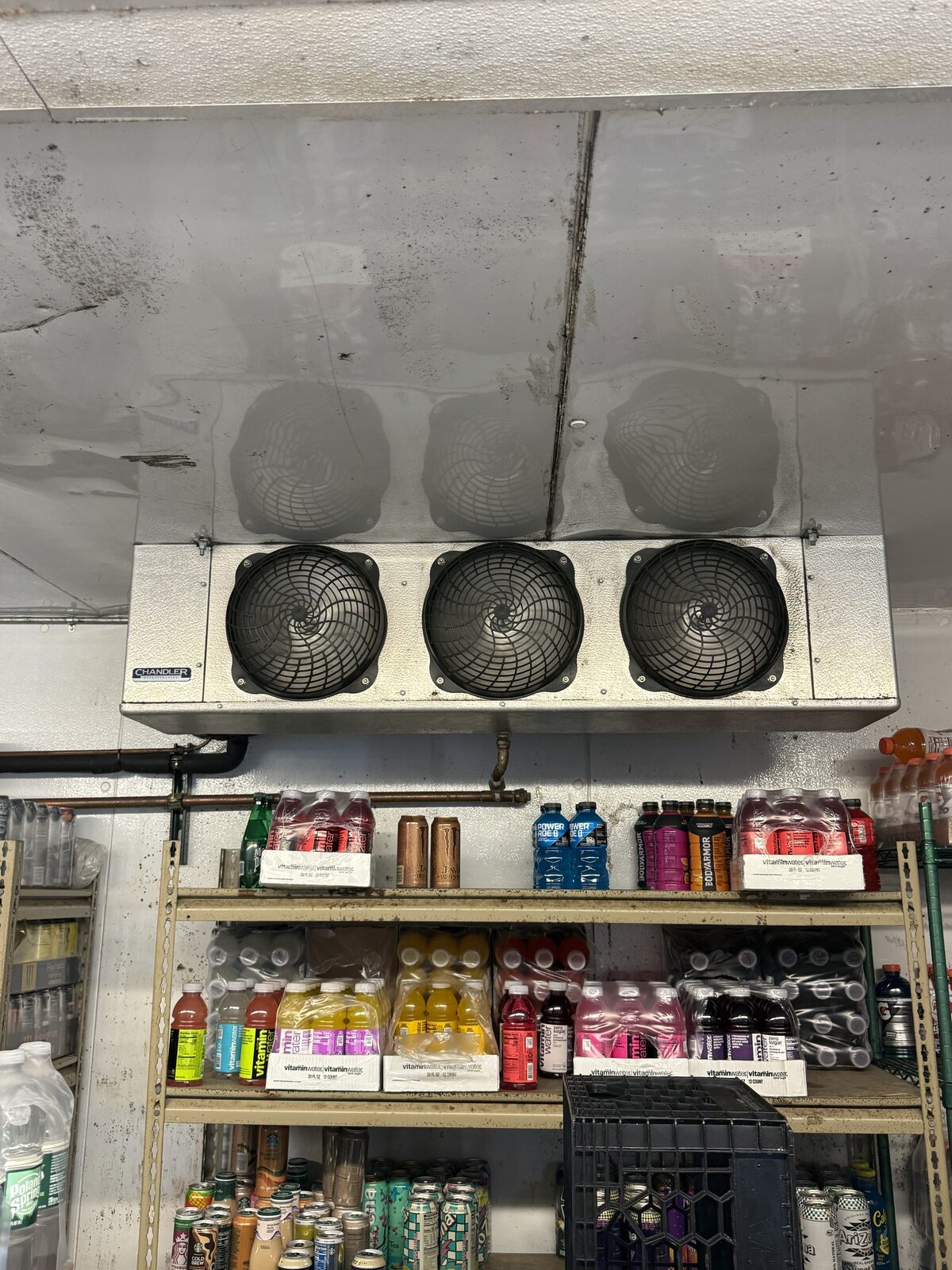
Ignoring routine maintenance on your commercial refrigeration system isn’t just a shortcut—it’s a ticking time bomb. Over time, dirt, scale, and debris build up, forcing your equipment to work harder. That leads to higher energy bills, premature failure, and worse, food safety risks. The FDA Food Code and EPA Section 608 both stress that refrigerant leaks must be addressed fast. If your system is losing refrigerant at a rate over 20% per year, you’re already behind schedule and facing compliance issues.
Manufacturer guidelines aren’t suggestions—they’re the rulebook. Follett says to clean drain lines and pans weekly, and to service ice machines and transport tubes every six months. Skipping those steps? You’ll void the warranty. Scotsman and Hoshizaki both call for air filter checks at least twice a month. A clogged filter cuts performance and strains the compressor.
Heatcraft’s semi-annual check includes pressure readings and filter inspection. Manitowoc’s service literature calls for a full cleaning every 30 days for flake and chiplet ice machines. Cleaning condenser coils every six months is standard, but more often if the unit runs in dusty or high-heat areas.
- Check and clean air filters at least twice a month.
- Inspect condenser coils every six months—more often in dirty or hot environments.
- Follow manufacturer-specific cleaning schedules for ice machines and transport tubes.
- Verify refrigerant pressure levels and system balance during every service visit.
- Use only NSF-listed cleaners and never apply acid-based services to condenser fins.
Armus Refrigeration, staffed by experienced commercial refrigeration technicians, serves southeastern Massachusetts and Rhode Island. Based at 88 Mill St, New Bedford, MA — 508-521-9477. We handle all your commercial refrigeration repair and maintenance needs. Keep your system running right—don’t wait until it fails.
When Things Go Wrong: Signs of Refrigeration System Failure
Your walk-in cooler or freezer isn’t just a box—it’s a system. When it starts acting up, don’t wait. A sudden spike in temperature? That’s a red flag. It could mean low head pressure, especially in cold ambient conditions below 50°F, which can strain compressors. Check your controller settings—misadjustment or failure can cause erratic cooling.
Strange noises? A grinding or hissing sound might point to a failing compressor or refrigerant leak. If your system uses HFC refrigerant, EPA rules require leak repairs at 20% per year—don’t ignore early signs.
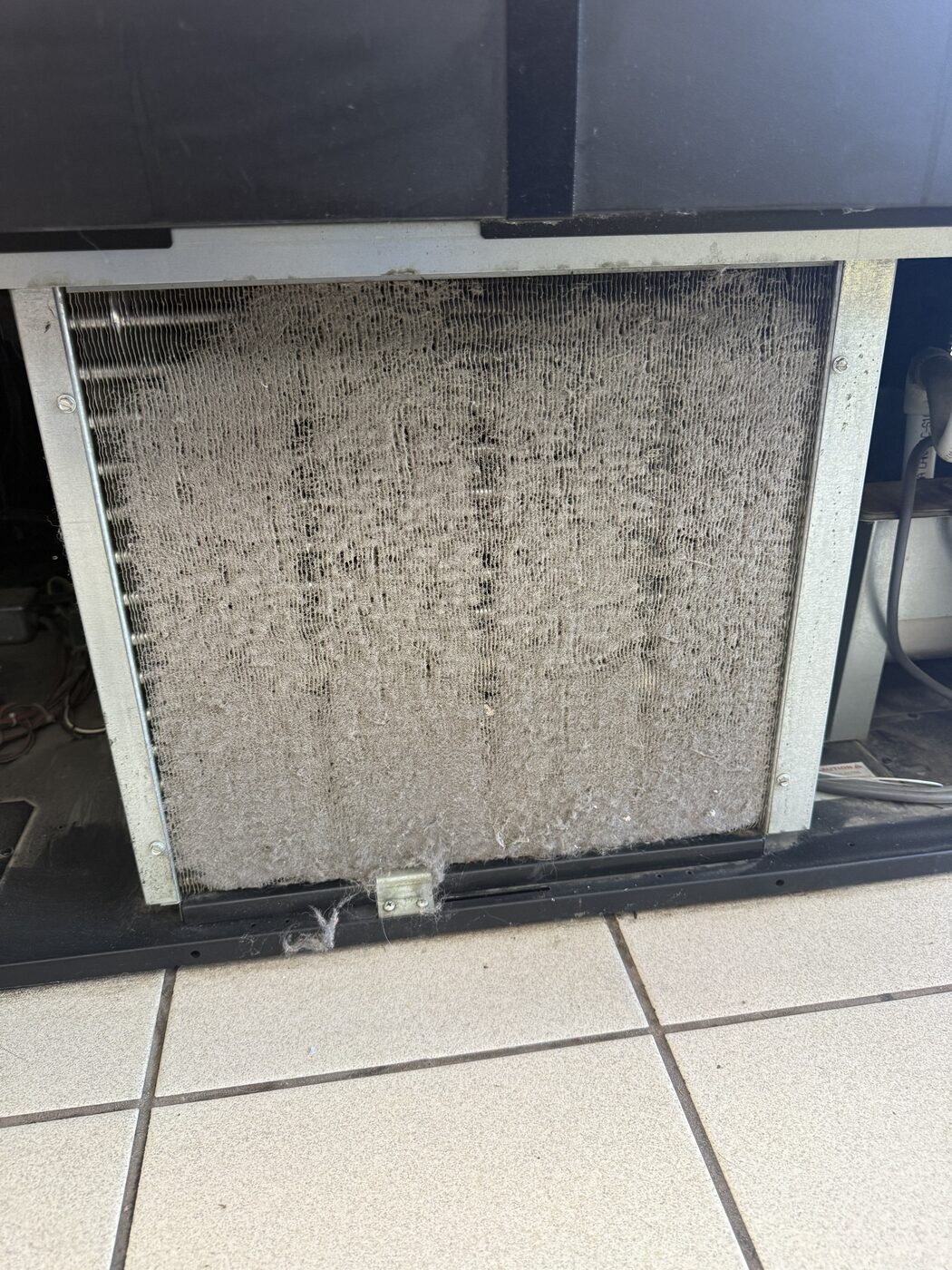
Ice buildup on evaporator coils? That’s not normal. It often means airflow is blocked—possibly by a clogged air filter or dirty condenser coil. Hoshizaki says check filters twice a month; U-Line warns that lint or dust on condenser coils can starve the system of heat exchange.
If your unit runs but doesn’t cool, check pressure drops across filters and driers—Heatcraft’s maintenance checklist says this is key. Use your gauge set to verify superheat; for semi-hermetic compressors, aim for 20°F to 30°F.
When you see these issues, it’s time for commercial refrigeration repair. Don’t risk spoiled inventory or a refrigeration emergency repair. Armus Refrigeration, staffed by experienced technicians, serves southeastern Massachusetts and Rhode Island—call us at 508-521-9477. We’re at 88 Mill St, New Bedford, MA.
What Our Techs Check First (From the Field)
When we walk into a commercial kitchen, we don’t start with the compressor. We start with what’s visible, what’s obvious, and what fails first. Here’s how we diagnose on the spot:
- Walk the unit’s perimeter—look for ice buildup on door seals or condensation near thresholds. Frost here means the anti-condensate heater is dead or moisture is seeping in.
- Check the condenser coil—dust, lint, or debris blocks airflow. U-Line and Hoshizaki both say a dirty coil kills cooling efficiency.
- Inspect the controller display—no error codes? Good. But if it’s blank or frozen, power or control circuit issues are likely.
- Verify the condenser fan spins freely—no obstructions, no burnt bearings. A dead fan kills heat rejection.
- Look at the ice machine’s drain line and pan—Follett and Scotsman both require weekly drain checks to prevent clogs and contamination.
- Test crankcase heater amp draw—Heatcraft’s PM guide says this confirms proper operation, especially in cold climates.
We don’t guess. We check, and we fix what’s broken. Armus Refrigeration, 88 Mill St, New Bedford, MA. Call 508-521-9477.
Frequently Asked Questions
How often should I schedule preventive maintenance for my walk-in cooler?
Most walk-in units need servicing every six months, but we recommend monthly checks on door gaskets and hardware. Kolpak’s guide says seals must close fully around the door perimeter. Skipping routine checks can lead to costly repairs—regular service keeps your equipment running efficiently and reliably.
What happens if my refrigeration unit leaks refrigerant?
If your system leaks over 20% per year, repairs are required under EPA rules. We handle leak detection and repair promptly. A valid service record helps prove compliance. At Armus Refrigeration, we document every repair and ensure your system meets current standards to avoid penalties or downtime.
Can I use non-OEM parts to fix my commercial fridge?
True Manufacturing’s manual warns that using non-OEM parts may void your warranty. We only use factory-approved components to ensure performance and safety. Our service team follows manufacturer guidelines, including NSF/ANSI 7:2024, to keep your unit operating within code. Trust the company that knows your equipment best.
Related Services
- Restaurant Refrigeration Service in Fall River, MA
- Restaurant Refrigeration Service in New Bedford, MA
- Restaurant Refrigeration Service: One Number for Every Cold Box in the House
Sources We Work From
The standards and manufacturer service requirements behind this page:
- EPA — Stationary Refrigeration Leak Repair Requirements
- Armus Refrigeration service record — wine cellar cooling unit, Rochester, MA (September 2026)
- Heatcraft Engineering Manual, H-ENGM0408
- Intertek Standards Update Notice, NSF/ANSI 7:2024 (issued November 18, 2025)
- FDA National Retail Food Team, List of American National Standards for Food Equipment
- True Manufacturing — Retail Merchandiser Owner’s Manual (TEC_TM_180)
For the rules and standards behind this work, see the FDA Food Code and ENERGY STAR commercial food service guidelines from the federal agencies that govern commercial refrigeration.
How we write these: every procedure, temperature and interval on this page is taken from manufacturer service literature or federal food and refrigerant code, listed in Sources above, and reviewed by our own technicians against what we see in the field. We revise the page when a standard or a manufacturer procedure changes.