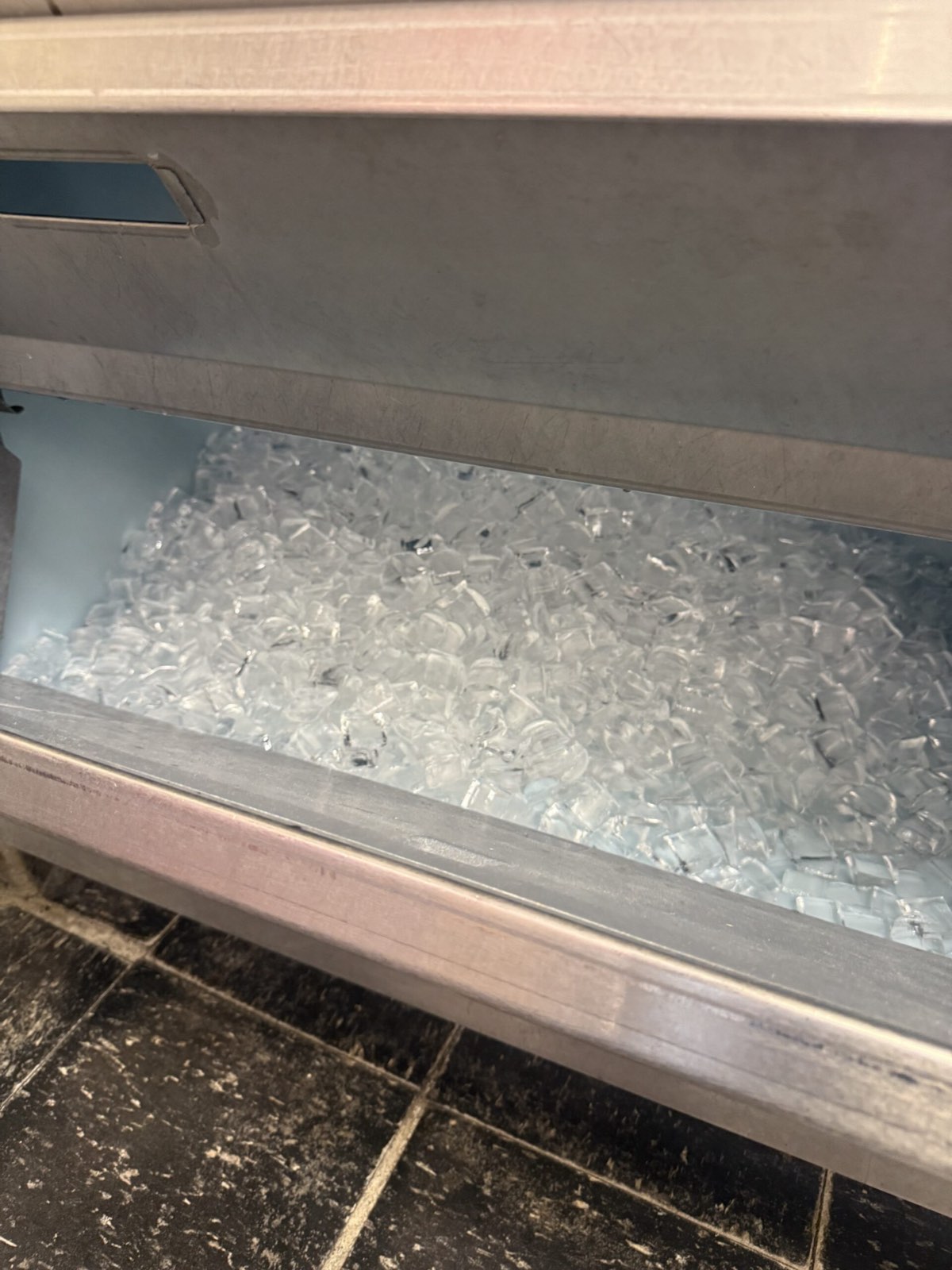
Contaminated ice isn’t just a nuisance—it’s a food safety risk that can shut down a restaurant overnight. If your commercial ice machine isn’t properly sanitized, bacteria, mold, and airborne yeast can thrive, especially in high-humidity or high-yeast environments like bakeries. That’s why knowing how to sanitize ice machine parts and systems isn’t optional—it’s essential. The FDA Food Code and NSF International (NSF)/ANSI 12 set the standard for safe ice production, and even small lapses can lead to violations.
Regular cleaning prevents buildup, keeps ice safe, and protects your business. If you’re running a kitchen, bar, or retail space in Southeastern Massachusetts or Rhode Island, trust Armus Refrigeration—staffed by experienced commercial refrigeration technicians serving the region from 88 Mill St, New Bedford, MA.
How to Sanitize Ice Machine: A Manufacturer-Approved Process
Follow these proven steps to clean your commercial ice machine safely and fast—works for any brand. Check your machine’s front-panel label for the right amount of cleaner. Don’t mix cleaner and sanitizer. Only use NSF-listed ice machine cleaners and no-rinse sanitizers. The FDA Food Code says ice must be clean and safe; proper cleaning helps you meet that rule. See how to clean a commercial ice machine using this maker-approved sanitization process for walk-in and reach-in units.
- Turn off the machine and unplug it. Remove all ice from the bin and empty the water reservoir.
- For the sanitize cycle, pour the recommended amount of no-rinse sanitizer—12 oz (355 ml) for Manitowoc Indigo NXT—between the evaporator and water curtain.
- Run the automated sanitize cycle. It typically lasts 30 minutes. Do not interrupt it.
- After the cycle ends, make a batch of ice using the sanitizer solution. Discard all ice made during this process.
- Flush the system by running the machine for at least 15 more minutes with fresh potable water. This clears residual sanitizer.
- For detachable parts, soak plastic components in a mix of 2 oz sanitizer to 3 gallons of potable water for at least 1 minute. Do not mix with cleaner.
- Always follow manufacturer guidelines—Scotsman recommends sanitizing after scale removal, and Manitowoc advises at least every six months.
For help with your ice machine, call Armus Refrigeration—staffed by experienced commercial refrigeration technicians serving southeastern Massachusetts and Rhode Island. 88 Mill St, New Bedford, MA.
How to Fix Ice Machine Issues After Sanitization
How to Fix Ice Machine After Sanitization
After sanitizing your ice machine, you might face issues like ice machine not making ice, sensor shutdown, or a clean cycle failure. These often stem from cleaning issues left unresolved. If the machine stops mid-cycle, it could be due to a water flow blockage or evaporator blockage from heavy scale. Manitowoc’s service literature warns that if scale is severe, the speed sensor may trigger a shutdown. In that case, leave the cleaner in the evaporator for at least 4 hours before restarting the cycle.
Don’t mix cleaner and sanitizer—they don’t work together. An NSF-listed ice machine cleaner removes scale, but only a proper sanitize cycle kills germs. If the clean cycle fails, check for blocked water flow or clogged nozzles. A sensor shutdown can also happen if leftover cleaner messes with the evaporator’s sensor. Always follow the manufacturer’s guide: for Indigo NXT models, use 9 oz cleaner and 12 oz sanitizer, poured between the evaporator and water curtain.
For stubborn buildup, soak detached parts in a 16 oz cleaner to 1 gallon water mix for 10–15 minutes. Sanitize parts in 2 oz sanitizer per 3 gallons of water. No rinse needed — the sanitizer is no-rinse. If problems persist, call Armus Refrigeration — staffed by experienced commercial refrigeration technicians serving southeastern Massachusetts and Rhode Island. 88 Mill St, New Bedford, MA.
How to Reset Ice Machine After Maintenance
If your ice machine won’t start after cleaning or sanitizing, a reset procedure is often needed. For Scotsman Prodigy models, the de-scale indicator light may stay on after maintenance. To reset, press and hold the power button for 5 seconds during a power-on cycle. This clears the de-scale reminder and restores normal operation. On machines built after November 6, 2008, including Prodigy Plus, the interval can be adjusted via the control panel if needed.
Manitowoc Indigo NXT units need a manual reset after the sanitize cycle. Once the clean and sanitize cycles finish, turn the machine off at the power source, wait 10 seconds, then turn it back on. This restarts the system and clears the indicator light. If the machine still won’t start, check the water supply and look for error codes. Always follow the manufacturer’s instructions — Manitowoc’s service literature says to do a full power-on cycle after maintenance to make sure the system resets properly.
When in doubt, contact Armus Refrigeration — staffed by experienced commercial refrigeration technicians serving southeastern Massachusetts and Rhode Island. 88 Mill St, New Bedford, MA.
When and Why You Need More Frequent Sanitizing
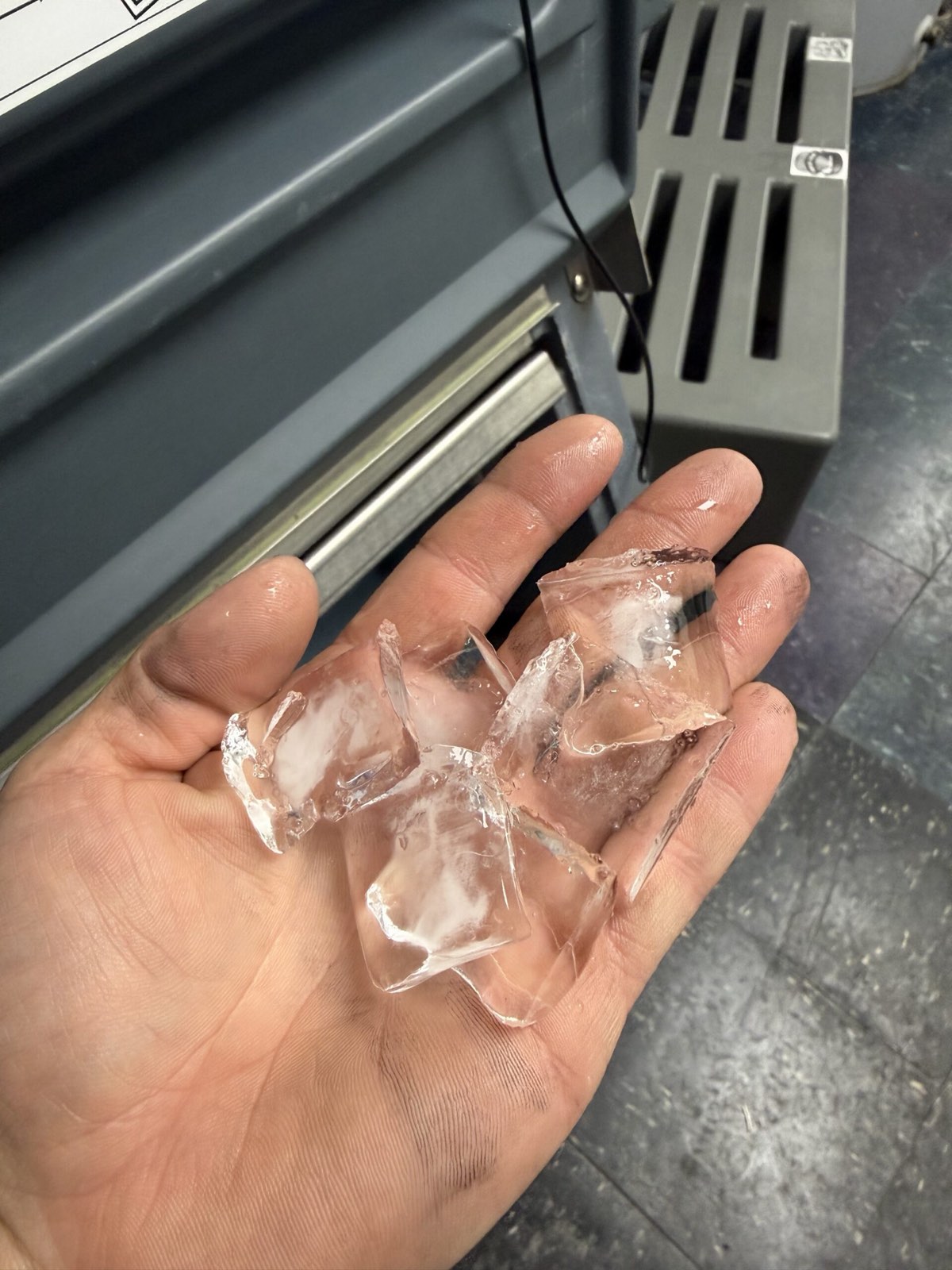
In busy places like bakeries, yeast in the air can easily get into ice machines. This raises the risk of yeast getting into your ice, especially if the machine is close to ovens or flour bins. Just cleaning every six months isn’t enough. Manitowoc’s service docs say you need to sanitize more often in these spots to stop germs from growing.
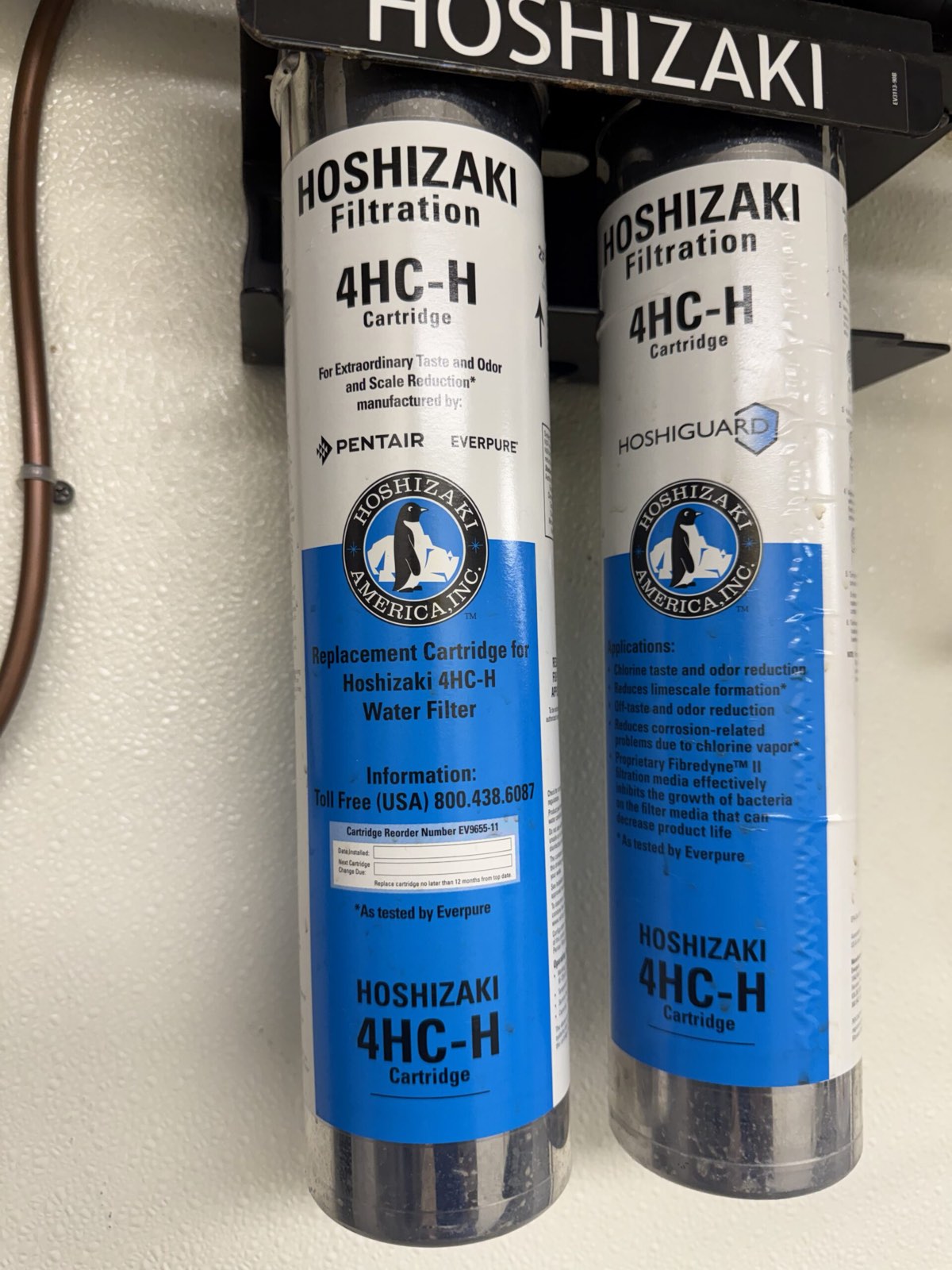
Even with a water filter, you’re still at risk. Many filters remove chlorine, which naturally keeps bacteria and algae in check—so taking it out actually makes contamination more likely.
If you’re in a high-yeast area, don’t wait six months. Adjust your sanitizing frequency based on your environment. For flake, chiplet, or nugget ice machines, Manitowoc recommends a preventative cleaning every 30 days in these conditions. That means how to sanitize ice machine isn’t just a checklist—it’s a health necessity. Skipping or delaying sanitizing in these settings invites contamination. When in doubt, contact Armus Refrigeration—staffed by experienced commercial refrigeration technicians serving southeastern Massachusetts and Rhode Island. 88 Mill St, New Bedford, MA. 508-521-9477.
What Our Techs Check First (From the Field)
When we roll up to a failing ice machine in New Bedford or nearby, our first move isn’t cleaning—it’s diagnosing. We start with a quick visual and mechanical sweep. Is the ice output weak or inconsistent? That often means evaporator scale buildup. We check for visible lime deposits on the evaporator plate—Manitowoc’s service literature calls for action only when scale is evident, not on a schedule.
We test the water inlet valve for consistent flow. If water isn’t feeding properly, the machine won’t make ice. A drain line clog can cause overflow or poor drainage—especially if the unit’s near a source of yeast, which can increase contamination risk. We listen for grinding or squealing noises during operation—those signal scale-related stress on the gearbox or speed sensor.
We also verify motor resistance with a multimeter. Abnormal readings mean the motor’s under strain, possibly due to scale buildup or mechanical binding. If the machine shuts down mid-cycle, we know it’s likely a clogged system or a motor issue. No shortcuts—every part gets checked before we even open the cleaner bottle.
Frequently Asked Questions
Do I need to rinse after using a no-rinse sanitizer on my ice machine?
No, if you’re using a no-rinse sanitizer like the one Manitowoc specifies, a potable water rinse is not required. Just follow the manufacturer’s cycle instructions. Never mix cleaner and sanitizer—this can cause dangerous reactions and damage the machine.
Can I use any cleaner or sanitizer, or do I need to stick to specific types?
Stick to cleaners and sanitizers approved for ice machines. Avoid acids, chlorine, or salt-based services—they corrode the evaporator. Use only NSF-listed products, like those specified in the FDA Food Code for equipment safety. Always check your machine’s manual for compatible chemicals.
What’s the difference between a cleaner and a sanitizer, and when do I use each?
Cleaners remove hard water spots and gunk—use only when you see visible lime. Sanitizers kill germs and go on after cleaning. Never mix them. Some units need separate steps; follow the maker’s instructions, like Manitowoc’s suggested 9 oz cleaner and 12 oz sanitizer per cycle.
Related Services
- Ice Machine Repair in Brockton, MA
- Ice Machine Repair in Fall River, MA
- Ice Machine Repair in Marion, MA
Sources We Work From
The standards and manufacturer service requirements behind this page:
- Manitowoc Preventative Maintenance Bulletin MII_SB_0033, Indigo NXT Detailed Descaling and Sanitizing Procedures
- Scotsman Prodigy Series Modular Cuber Technical Service Manual (January 2015)
- Manitowoc Parts & Service Communicator MII-106, “Ice Machine Cleaner and Sanitizer Usage”
- FDA Food Code 2022, Chapter 3 and Annex 7 Guide 3-B
- NSF/ANSI 12-2023, Automatic Ice Making Equipment (ANSI Webstore)
- Follett icemaker cleaning instructions, manual part #208600 (Form #2835)
For the rules and standards behind this work, see the FDA Food Code and ENERGY STAR commercial food service guidelines from the federal agencies that govern commercial refrigeration.
How we write these: every procedure, temperature and interval on this page is taken from manufacturer service literature or federal food and refrigerant code, listed in Sources above. Reviewed by our own technicians against what we see in the field. We revise the page when a standard or a manufacturer procedure changes.