Your commercial fridge isn’t just keeping food cold—it’s protecting your bottom line. A single refrigeration failure can cost a restaurant thousands in spoiled inventory, downtime, and lost customers. In New Bedford, Fall River, and across southern Massachusetts and Rhode Island, we see it every season: a walk-in that fails because maintenance was skipped. Commercial fridge maintenance isn’t optional—it’s essential for compliance, efficiency, and uptime. From EPA Section 608 leak rules to the 20% annual leak rate threshold for commercial refrigeration, ignoring small issues leads to big problems. Our team at Armus Refrigeration, based at 88 Mill St, New Bedford, MA, has kept kitchens running for over fifteen years—because we know how fast things go wrong when equipment is neglected.
Why Commercial Fridge Maintenance Is Non-Negotiable
Neglecting commercial fridge maintenance isn’t just risky—it’s illegal. The EPA’s Section 608 rule sets a 20% annual leak rate threshold for commercial refrigeration, including walk-ins and reach-ins used in restaurants and cold storage. If your system exceeds that, repair is mandatory—no exceptions. That’s not just a suggestion; it’s a legal duty. The owner or operator must track leak rates, perform inspections every quarter (or annually for smaller systems), and file chronic-leak reports. Failure to comply can result in fines and enforcement actions.
Worse, the EPA’s Technology Transitions rule bans refrigerants with a GWP above 150 in new stand-alone food refrigeration units starting January 1, 2025. Systems over 1,500 lbs using high-GWP refrigerants must have automatic leak detection by 2026. Ignoring maintenance means you’re behind on compliance, risking shutdowns and fines.
The FDA Food Code 2022 also matters: condensate drains from refrigeration units must not connect directly to sewage. That’s an indirect-waste rule—get it wrong, and health inspectors shut you down. Regular commercial fridge maintenance isn’t a luxury. It’s the only way to keep your system compliant, safe, and running. At Armus Refrigeration, 88 Mill St, New Bedford, MA, we’ve kept kitchens running for over fifteen years—because we know how fast things go wrong when equipment is neglected.
Key Components That Demand Regular Commercial Fridge Maintenance
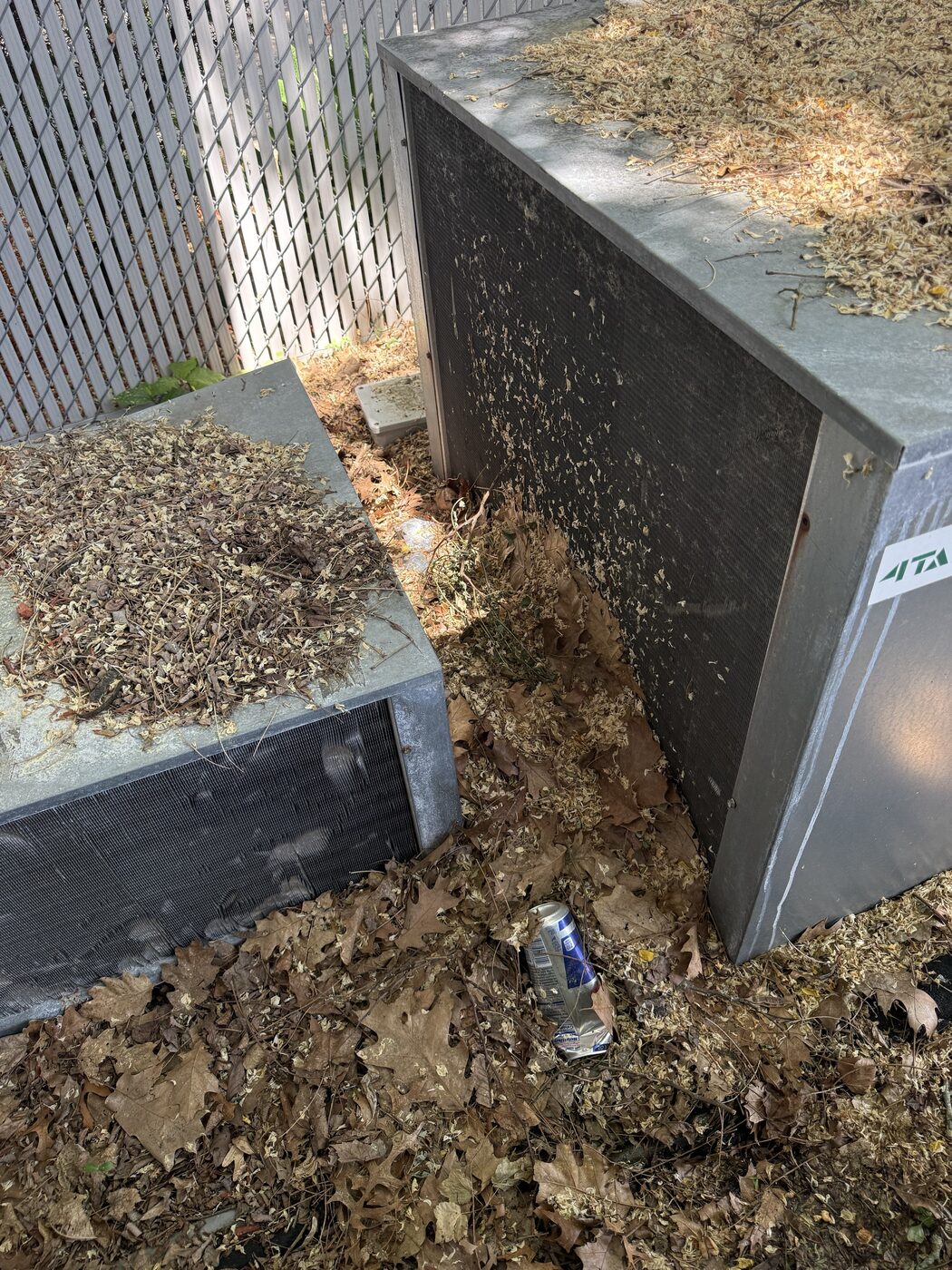
Neglecting a few core parts can turn a reliable commercial fridge into a compliance hazard and energy hog. Start with the coils—dusty, blocked coils force the system to work harder, wasting energy and risking mechanical failure. Clean them quarterly to maintain efficiency. Door seals are just as critical. A torn or loose seal lets cold air escape, raising internal temps and risking food safety. The FDA Food Code 2022 requires doors, seals, hinges, and kick plates to stay intact and adjusted per manufacturer specs—no exceptions. Sagging doors or worn gaskets mean you’re not just losing cold; you’re risking violations.
Then there’s the defrost cycle. In industrial systems using hot gas defrost, proper timing and control can cut energy use by 5% or more. But if ice melts too late—say, only after it reaches the drain pan—the system strains unnecessarily. That’s mechanical stress, not just inefficiency.
And don’t skip leak checks. If your system holds 500 lbs or more, you must inspect it every three months if it exceeds leak thresholds under EPA regulations. Smaller units still need annual checks. For systems over 1,500 lbs using high-GWP refrigerants, automatic leak detection is mandatory by January 2027—don’t wait. Industrial fridge repair isn’t just about fixing what’s broken; it’s about catching issues before they cost you compliance or a kitchen shutdown. At Armus Refrigeration, 88 Mill St, New Bedford, MA, we’ve kept kitchens running for over fifteen years—because we know how fast things go wrong when commercial fridge maintenance is skipped.
Compliance & Efficiency: How Maintenance Meets EPA & FDA Standards
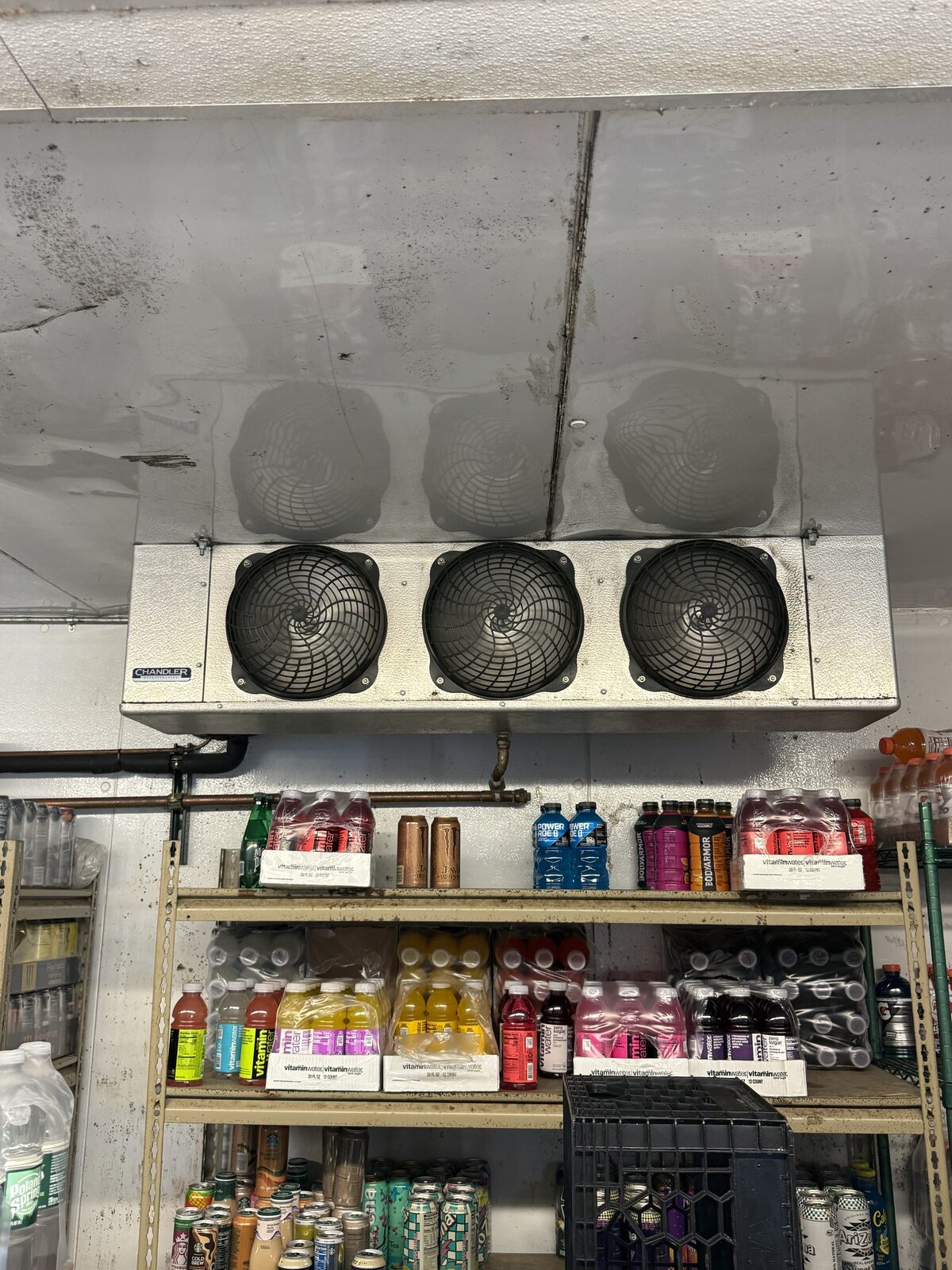
Skipping commercial fridge maintenance isn’t just a risk to your food—it’s a compliance time bomb. Under EPA Section 608, any commercial refrigeration system with a refrigerant charge of 15 pounds or more must stay under a 20% annual leak rate. That’s not a suggestion—it’s the law. If your system exceeds that threshold, you’re required to repair it within 30 days, and keep records for three years. The same rule applies to GWP limits: systems using HFCs with a GWP above 53 must have automatic leak detection if they hold 1,500 pounds or more, and that requirement kicks in by January 1, 2026.
For systems over 500 pounds, quarterly leak inspections are mandatory if the leak rate is above threshold. Smaller systems (15–500 lbs) need annual checks. The FDA Food Code doesn’t directly regulate refrigerant leaks, but it does require equipment integrity—meaning your fridge must maintain safe temperatures and not introduce contamination. A failing refrigeration system can’t meet that standard.
Routine industrial fridge repair keeps efficiency high and prevents violations. A well-maintained system runs cooler, uses less energy, and stays under leak thresholds. At Armus Refrigeration, 88 Mill St, New Bedford, MA, we’ve kept kitchens running for over fifteen years—because we know how fast things go wrong when commercial fridge maintenance is skipped.
What Our Techs Check First (From the Field)
When we walk into a kitchen, we don’t start with the fridge door. We start with the system. Here’s what we check first, every time:
- Walk the unit coolers—check for frost buildup, blocked airflow, and door seal leaks.
- Verify the system’s superheat: aim for 20°F to 30°F at the compressor, per Heatcraft’s System Balancing guide.
- Check pressure drop across filters and driers—any spike means it’s time to clean or replace.
- Confirm the refrigerant leak rate is under threshold—EPA’s AIM Act requires quarterly checks on systems over 500 lbs, and we don’t stop until four clean quarters.
- Review the owner’s leak repair log—three years of records are required, and the clock starts the moment we add refrigerant.
These steps aren’t optional. They’re how we keep your coolers running right, your food safe, and your compliance tight. Armus Refrigeration, 88 Mill St, New Bedford, MA — 508-521-9477.
Frequently Asked Questions
What happens if my commercial fridge leaks refrigerant and I don’t fix it fast enough?
If your commercial refrigeration equipment leaks at 20% per year or more, federal law requires repair within 30 days. The owner must track leaks, conduct inspections every three months if the charge is 500 lbs or more, and keep records for three years. Failure to act can lead to EPA fines and non-compliance with the AIM Act. Even if you hire a technician, the responsibility for compliance stays with you.
Do I need an automatic leak detection system for my fridge?
Only if your system uses an HFC refrigerant with a GWP above 53 and holds 1,500 pounds or more. Under EPA’s AIM Act, such equipment must have an automatic leak detection system installed and operational within 30 days of installation if placed on or after January 1, 2026. Smaller systems or those using low-GWP refrigerants are exempt.
Can any technician handle my refrigeration repair, or do I need a certified one?
Only a Section 608 Type II certified technician can work on high-pressure commercial refrigeration equipment, which includes most commercial fridge racks. The EPA defines these systems as using refrigerants with liquid-phase saturation pressures between 170 and 355 psia at 104°F. A technician must be certified to legally perform service, repair, or disposal on these systems. Armus Refrigeration, 88 Mill St, New Bedford, MA — 508-521-9477, employs only certified professionals.
Related Services
Sources We Work From
The standards and manufacturer service requirements behind this page:
- EPA Fact Sheet — AIM Act Automatic Leak Detection Requirements (January 2026)
- Federal Register — Phasedown of HFCs: Reconsideration of Certain Technology Transitions Requirements
- EPA Fact Sheet — AIM Act Leak Repair Requirements (January 2026)
- Cornell LII — 40 CFR 82.152 Definitions
- EPA — Stationary Refrigeration Leak Repair Requirements
- EPA — Technology Transitions HFC Restrictions by Sector
For the rules and standards behind this work, see the FDA Food Code and ENERGY STAR commercial food service guidelines from the federal agencies that govern commercial refrigeration.
How we write these: every procedure, temperature and interval on this page is taken from manufacturer service literature or federal food and refrigerant code, listed in Sources above, and reviewed by our own technicians against what we see in the field. We revise the page when a standard or a manufacturer procedure changes.