Commercial Refrigerator Making Noise
A commercial refrigerator making noise is almost always an early warning that a moving part is wearing out before it fails completely. Grinding, buzzing, rattling, or a loud walk-in compressor can come from reach-in coolers, walk-in coolers and freezers, condensing units, or ice machines anywhere in the box. Armus Refrigeration services restaurants, markets, c-stores, and commercial kitchens across New Bedford, Fall River, and the South Coast, the South Shore and Cape, Greater Boston, and throughout Rhode Island. Catching the sound now is the difference between a small bearing job and a dead compressor on a Friday night.
What’s likely happening
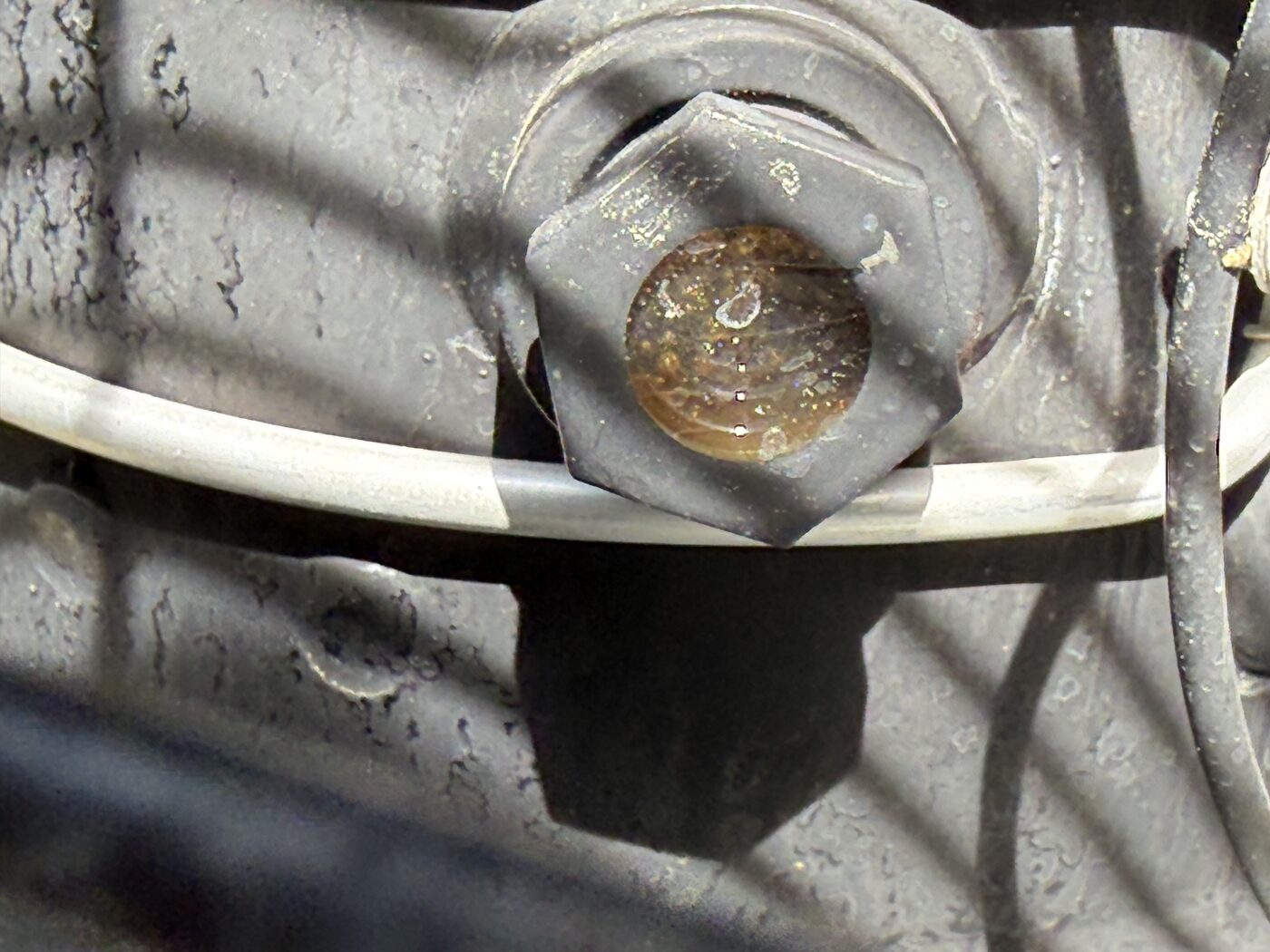
- A condenser or evaporator fan motor with worn bearings will grind, squeal, or hum as the shaft loses its smooth spin.
- A compressor with internal wear knocks or rattles on startup, signaling tired valves, worn bearings, or failing internal mounts.
- Loose hardware such as a fan blade, access panel, or motor bracket buzzes and vibrates against the cabinet sheet metal.
- A fan blade clipping ice, a guard, or a bent shroud makes a sharp ticking or chopping sound on every rotation.
- Refrigerant flow noise like gurgling, hissing, or whistling often points to a low charge or a TXV starving the evaporator.
- A chattering contactor or relay clicks rapidly when voltage is weak or the contacts are pitted and arcing.
- Worn rubber compressor grommets or hardened isolation feet let the whole condensing unit drum and resonate through the floor.
What Armus checks & fixes
- We isolate the exact source by running the unit and listening at the condenser, the evaporator, and the compressor separately.
- We replace worn condenser and evaporator fan-motor bearings or the complete motor before they seize and stop airflow.
- We swap bent or cracked fan blades and re-true the shroud so the blade clears the guard cleanly.
- We torque down loose panels, brackets, and mounts and replace missing or worn anti-vibration grommets and feet.
- We test the compressor’s amp draw and startup behavior to confirm whether the knock is wear or a failing start component.
- We inspect and replace pitted contactors and relays so chattering electrical contacts stop arcing and overheating.
- We check superheat and system charge so refrigerant-flow gurgle or hiss isn’t a hidden leak draining the system.
Why this happens
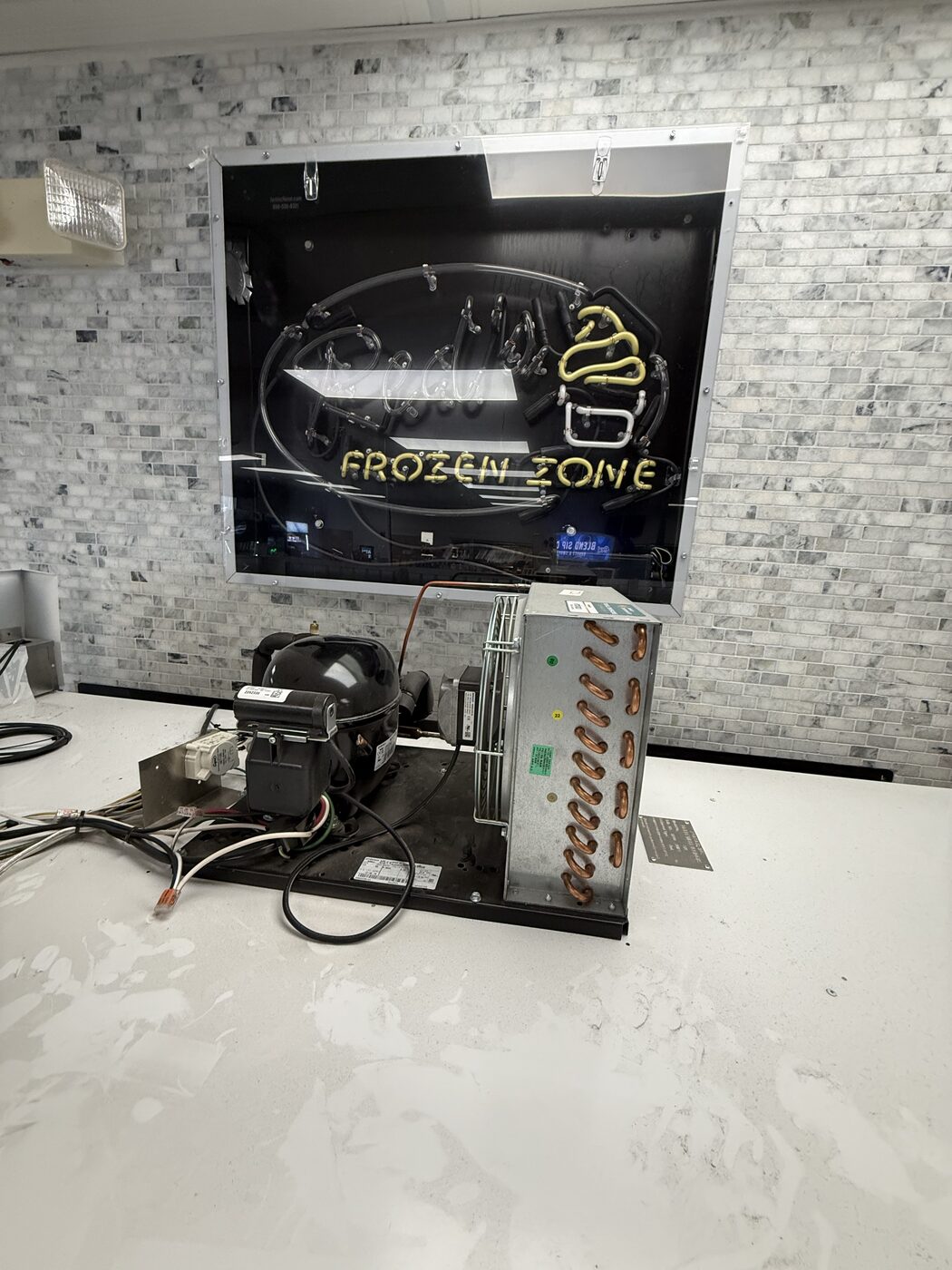
Most refrigeration noise traces back to the spinning parts. Condenser and evaporator fan motors run thousands of hours a year, and as their sleeve or ball bearings dry out and wear, the shaft develops play. That play shows up as a hum, a grind, or a high-pitched squeal, and a motor that’s noisy today is a motor that fails soon. When that fan stops, the condenser can’t reject heat and the evaporator can’t move cold air, so a cheap bearing problem snowballs into a no-cooling call.
Compressor noise is more serious because the compressor is the most expensive part in the system. A healthy compressor purrs; a worn one knocks, rattles, or clatters on startup as internal bearings, valves, and the crankshaft develop slack. A liquid slugging sound, where refrigerant returns to the compressor instead of vapor, can come from a flooded evaporator, an overcharge, or a TXV that isn’t metering correctly, and each slug hammers the valves toward an early failure.
Some noises are mechanical rather than internal. A loose fan blade, an unsecured access panel, or hardened anti-vibration mounts let normal compressor and fan vibration transmit straight into the cabinet, so the whole box buzzes or drums. Tightening hardware and replacing rubber isolation grommets often silences a unit that sounded alarming but was structurally fine.
Electrical and refrigerant-flow noises round out the list. A contactor or relay that chatters has weak coil voltage or pitted contacts, and the rapid clicking both makes noise and burns the contacts faster. Gurgling or hissing in the lines usually means the charge is low or the metering device is starving the coil, which raises superheat, hurts capacity, and points to a leak that should be found before the compressor overheats.
Equipment we service
We repair this on every type of commercial refrigeration:
How we fix it — our process
- Listen and locate. We run the unit and trace the sound to the condenser, evaporator, or compressor so we fix the real source, not a guess.
- Mechanical inspection. We check fan motors, blades, bearings, panels, and mounts for wear, play, and contact against other parts.
- Electrical check. We test contactors, relays, capacitors, and supply voltage to catch chattering, arcing, or weak-start components.
- Sealed-system readings. We take superheat, subcooling, and pressures to confirm the charge and rule out refrigerant-flow noise or a leak.
- Repair or replace. We swap the worn bearing, motor, blade, contactor, or hardware with OEM-grade parts and secure everything properly.
- Verify and document. We run the unit back to setpoint, confirm the noise is gone, and note what to watch so it doesn’t return.
Service area
Armus Refrigeration handles commercial refrigerator making noise for restaurants, markets, c-stores, schools, and commercial kitchens across New Bedford, the South Coast, the South Shore, Cape Cod, Greater Boston, and Rhode Island — including:
Frequently asked questions
What does buzzing vs. rattling vs. clicking mean on a commercial cooler?
Is a loud compressor dangerous?
How urgent is a noisy cooler or walk-in?
Why does my walk-in freezer fan get louder in cold weather or after defrost?
Can I keep running the unit until you arrive?
Which towns does Armus cover for noisy refrigeration repair?
Brands We Service
We repair and maintain every major commercial refrigeration & ice brand.