When a walk-in cooler starts creeping warm on a busy Friday night, you’re not thinking about maintenance schedules — you’re thinking about the thousands of dollars of product sitting inside and the meals you still have to serve. Here’s the hard truth most kitchen owners learn the expensive way: commercial refrigeration failures almost never come out of nowhere. They build up over weeks of dirty coils, worn gaskets, and clogged drain lines that nobody had time to look at. The good news is that a predictable service routine catches nearly all of it before it turns into spoiled inventory or a closed kitchen. Below is how often you should actually be servicing your equipment, and exactly what needs to happen at each interval.
Why a Maintenance Schedule Pays for Itself
A single emergency breakdown rarely costs you just the repair bill. Add up the after-hours service premium, the lost product, the customers you had to turn away, and the compressor that failed early because it was straining against a coil caked in grease — and one failure can easily run several thousand dollars. Preventive service, by contrast, is a predictable line item you can budget for. Clean coils let the system reach temperature with less runtime, which lowers your energy bill and extends the life of the compressor. Tight gaskets keep warm, humid air out so the unit isn’t fighting itself all day. For most food-service operations, putting your equipment on a regular service plan costs a fraction of what a single emergency call and a spoiled cooler would cost over the same year.
The Commercial Refrigeration Maintenance Schedule
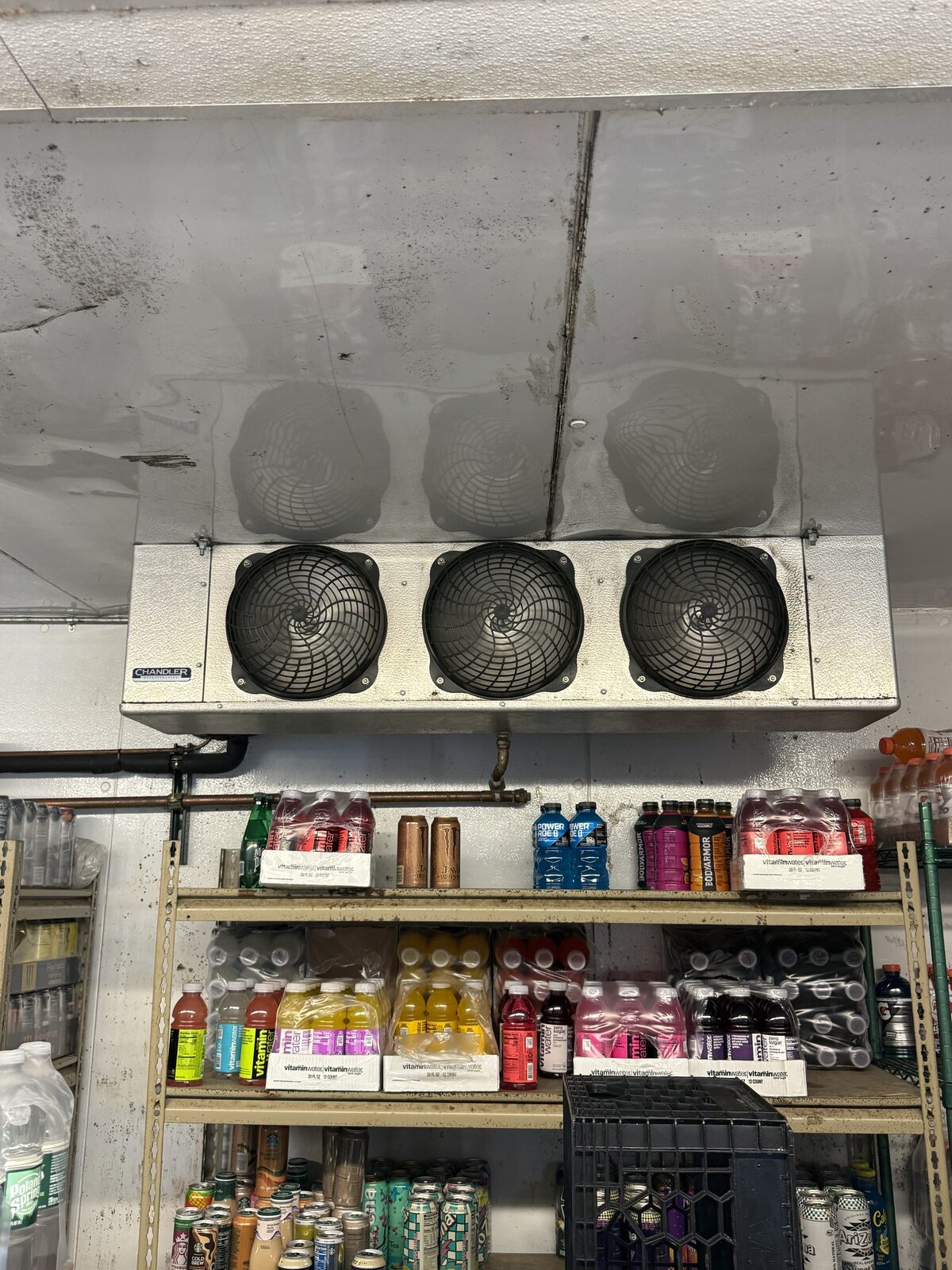
Not every task needs a technician, and not everything has to happen at once. Split the work across these intervals and you’ll cover the failure points that actually take units down.
Every Month
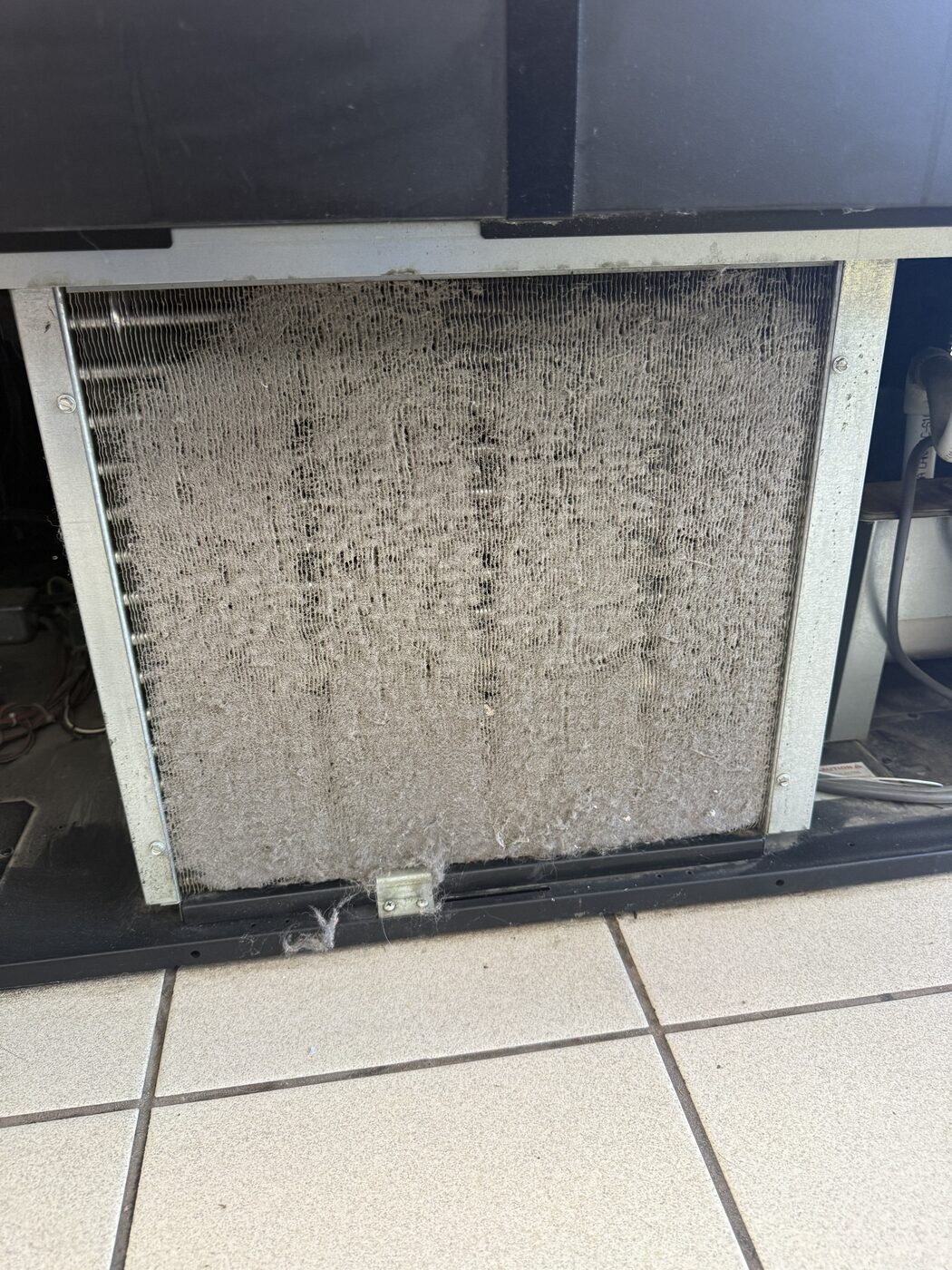
- Clean or at least brush and vacuum the condenser coils. Dirty coils are the number-one cause of warm units and high energy bills.
- Inspect door gaskets for cracks, tears, and a loose seal — run your hand around the closed door and feel for cold air escaping.
- Check interior temperatures against a separate thermometer, not just the built-in display, which can drift.
- Clear the condensate drain line and pan so water isn’t pooling, backing up, or freezing.
- Listen for any new noises from the compressor or fan motors.
Every Quarter
- Deep-clean the evaporator coils and fan blades inside the box.
- Test and calibrate thermostats and temperature controls.
- Flush the drain line thoroughly to prevent slime and ice buildup.
- Check door hinges, closers, and sweeps so doors seal on their own without being slammed.
- Confirm the defrost cycle is running and clearing frost from the coil completely.
Twice a Year
- Have a technician verify the refrigerant charge and look for oil traces that hint at a leak.
- Inspect electrical connections, contactors, and capacitors for heat damage or wear.
- Clean and flush drain pans and check heat tape on walk-in coolers and freezers. If the doors on a walk-in never fully seal or the box struggles to recover after being left open, it’s worth having someone check out a walk-in that won’t hold temperature before it turns into a compressor problem.
Once a Year
- Book a full professional inspection of the sealed system, including superheat, subcooling, and compressor amp draws.
- Tighten all electrical terminals and replace worn fan motors or belts.
- Test door heaters, defrost heaters, and safety controls.
- Review your temperature logs for slow drift that signals a developing fault.
Running Warm Right Now? Work Through This First
If a unit is climbing above safe temperature this minute, don’t panic and don’t keep opening the door. Run through these checks in order before your product is at risk:
- Confirm the unit has power and hasn’t tripped a breaker or GFCI.
- Make sure the door is fully closed and the gasket is sealing. A propped, warped, or blocked door is the single most common cause of a warm box.
- Look at the condenser coils. If they’re coated in dust or grease, that alone can drive the temperature up — brush and vacuum them clean.
- Check for blocked airflow inside: over-packed shelves or boxes shoved against the evaporator fan will starve the box of cold air.
- Feel around the condensate drain. A clogged or frozen drain can back up and ice over the coil.
- Check what’s around the condenser. A unit crammed next to a hot oven or in a tight, unventilated space will struggle in summer heat.
- Note whether the compressor is running steadily, short-cycling, or silent, and look for frost patterns. A coil iced over solid usually means the defrost system has failed.
If you’ve worked through all of these and the temperature is still rising, stop troubleshooting and get help before you lose inventory. You can book a same-day diagnostic visit and protect what’s still cold.
When to Call a Pro
Some maintenance is genuinely a staff task — coil cleaning, gasket wipe-downs, drain clearing, and temperature monitoring all belong in-house. But certain work should always go to a certified technician, both for safety and because a misdiagnosis gets expensive fast. Call a pro when the unit stays warm even after the coils are clean and the door seals, when you see or suspect a refrigerant leak, when the compressor is short-cycling or won’t start, when a coil keeps icing over, or when you smell burning or notice scorched electrical connections. Anything that involves opening the sealed system or handling refrigerant legally requires EPA certification, so that’s never a DIY job. Regular professional service also protects your equipment warranty, which many manufacturers void if there’s no documented maintenance history.
FAQ
How often should commercial refrigeration be professionally serviced?
For most operations, a professional visit twice a year is the baseline, supported by lighter monthly and quarterly checks your own staff can handle. High-volume kitchens, heavy grease environments, and older equipment often benefit from quarterly professional service instead, because their coils load up with grime much faster.
Can I handle refrigeration maintenance myself?
A good portion of it, yes. Cleaning condenser coils, inspecting gaskets, clearing drain lines, and logging temperatures are all safe in-house tasks that prevent most breakdowns. Anything touching the sealed system, refrigerant, or electrical components should be left to a licensed technician.
Is preventive maintenance really cheaper than a breakdown?
Almost always. A planned service visit is a modest, predictable cost. An emergency failure stacks after-hours labor, lost product, downtime, and often a prematurely worn compressor into one bill that can reach several thousand dollars — far more than a year of scheduled care.
Still not cooling? Don’t risk your inventory. Call 508-521-9477 for same-day commercial refrigeration repair across New Bedford, Fall River, and Southeastern Mass & Rhode Island — we diagnose fast and get you back up.
When a walk-in cooler starts creeping warm on a busy Friday night, you’re not thinking about maintenance schedules — you’re thinking about the thousands of dollars of product sitting inside and the meals you still have to serve. Here’s the hard truth most kitchen owners learn the expensive way: commercial refrigeration failures almost never come out of nowhere. They build up over weeks of dirty coils, worn gaskets, and clogged drain lines that nobody had time to look at. The good news is that a predictable service routine catches nearly all of it before it turns into spoiled inventory or a closed kitchen. Below is how often you should actually be servicing your equipment, and exactly what needs to happen at each interval.
Why a Maintenance Schedule Pays for Itself
A single emergency breakdown rarely costs you just the repair bill. Add up the after-hours service premium, the lost product, the customers you had to turn away, and the compressor that failed early because it was straining against a coil caked in grease — and one failure can easily run several thousand dollars. Preventive service, by contrast, is a predictable line item you can budget for. Clean coils let the system reach temperature with less runtime, which lowers your energy bill and extends the life of the compressor. Tight gaskets keep warm, humid air out so the unit isn’t fighting itself all day. For most food-service operations, putting your equipment on a regular service plan costs a fraction of what a single emergency call and a spoiled cooler would cost over the same year.
The Commercial Refrigeration Maintenance Schedule
Not every task needs a technician, and not everything has to happen at once. Split the work across these intervals and you’ll cover the failure points that actually take units down.
Every Month
- Clean or at least brush and vacuum the condenser coils. Dirty coils are the number-one cause of warm units and high energy bills.
- Inspect door gaskets for cracks, tears, and a loose seal — run your hand around the closed door and feel for cold air escaping.
- Check interior temperatures against a separate thermometer, not just the built-in display, which can drift.
- Clear the condensate drain line and pan so water isn’t pooling, backing up, or freezing.
- Listen for any new noises from the compressor or fan motors.
Every Quarter
- Deep-clean the evaporator coils and fan blades inside the box.
- Test and calibrate thermostats and temperature controls.
- Flush the drain line thoroughly to prevent slime and ice buildup.
- Check door hinges, closers, and sweeps so doors seal on their own without being slammed.
- Confirm the defrost cycle is running and clearing frost from the coil completely.
Twice a Year
- Have a technician verify the refrigerant charge and look for oil traces that hint at a leak.
- Inspect electrical connections, contactors, and capacitors for heat damage or wear.
- Clean and flush drain pans and check heat tape on walk-in coolers and freezers. If the doors on a walk-in never fully seal or the box struggles to recover after being left open, it’s worth having someone check out a walk-in that won’t hold temperature before it turns into a compressor problem.
Once a Year
- Book a full professional inspection of the sealed system, including superheat, subcooling, and compressor amp draws.
- Tighten all electrical terminals and replace worn fan motors or belts.
- Test door heaters, defrost heaters, and safety controls.
- Review your temperature logs for slow drift that signals a developing fault.
Running Warm Right Now? Work Through This First
If a unit is climbing above safe temperature this minute, don’t panic and don’t keep opening the door. Run through these checks in order before your product is at risk:
- Confirm the unit has power and hasn’t tripped a breaker or GFCI.
- Make sure the door is fully closed and the gasket is sealing. A propped, warped, or blocked door is the single most common cause of a warm box.
- Look at the condenser coils. If they’re coated in dust or grease, that alone can drive the temperature up — brush and vacuum them clean.
- Check for blocked airflow inside: over-packed shelves or boxes shoved against the evaporator fan will starve the box of cold air.
- Feel around the condensate drain. A clogged or frozen drain can back up and ice over the coil.
- Check what’s around the condenser. A unit crammed next to a hot oven or in a tight, unventilated space will struggle in summer heat.
- Note whether the compressor is running steadily, short-cycling, or silent, and look for frost patterns. A coil iced over solid usually means the defrost system has failed.
If you’ve worked through all of these and the temperature is still rising, stop troubleshooting and get help before you lose inventory. You can book a same-day diagnostic visit and protect what’s still cold.
When to Call a Pro
Some maintenance is genuinely a staff task — coil cleaning, gasket wipe-downs, drain clearing, and temperature monitoring all belong in-house. But certain work should always go to a certified technician, both for safety and because a misdiagnosis gets expensive fast. Call a pro when the unit stays warm even after the coils are clean and the door seals, when you see or suspect a refrigerant leak, when the compressor is short-cycling or won’t start, when a coil keeps icing over, or when you smell burning or notice scorched electrical connections. Anything that involves opening the sealed system or handling refrigerant legally requires EPA certification, so that’s never a DIY job. Regular professional service also protects your equipment warranty, which many manufacturers void if there’s no documented maintenance history.
FAQ
How often should commercial refrigeration be professionally serviced?
For most operations, a professional visit twice a year is the baseline, supported by lighter monthly and quarterly checks your own staff can handle. High-volume kitchens, heavy grease environments, and older equipment often benefit from quarterly professional service instead, because their coils load up with grime much faster.
Can I handle refrigeration maintenance myself?
A good portion of it, yes. Cleaning condenser coils, inspecting gaskets, clearing drain lines, and logging temperatures are all safe in-house tasks that prevent most breakdowns. Anything touching the sealed system, refrigerant, or electrical components should be left to a licensed technician.
Is preventive maintenance really cheaper than a breakdown?
Almost always. A planned service visit is a modest, predictable cost. An emergency failure stacks after-hours labor, lost product, downtime, and often a prematurely worn compressor into one bill that can reach several thousand dollars — far more than a year of scheduled care.
Still not cooling? Don’t risk your inventory. Call 508-521-9477 for same-day commercial refrigeration repair across New Bedford, Fall River, and Southeastern Mass & Rhode Island — we diagnose fast and get you back up.