Your refrigeration equipment isn’t just keeping food safe—it’s keeping your business legal. In New Bedford, MA, a single refrigeration failure can mean lost inventory, health code violations, and fines under the EPA’s Section 608 and the AIM Act. If your system holds 15 pounds or more of HFC refrigerant, it’s subject to strict leak rate thresholds—20% annually for commercial refrigeration, per 40 CFR 84.106. That’s not a suggestion—it’s the law.
Without a solid maintenance contract, inspections, and repair tracking, you’re flying blind. A commercial refrigeration maintenance agreement cost isn’t a luxury—it’s a necessity. Service gaps can lead to automatic leak detection requirements, especially if your system is 1,500 pounds or more. Don’t wait for an audit or a shutdown. Protect your equipment, your compliance, and your bottom line with a reliable service contract now.
What Influences Commercial Refrigeration Maintenance Agreement Cost?
Your commercial refrigeration maintenance agreement cost isn’t set in stone. It hinges on real-world factors like system size, refrigerant type, and local compliance rules. A large rack system using an HFC refrigerant with a GWP above 53 must meet strict EPA Section 608 leak repair requirements — including 30-day repair clocks and annual leak inspections. That means higher coverage needs and more labor in your service contract.
Regular commercial refrigeration repair and maintenance helps prevent costly breakdowns and extends the lifespan of walk-in and reach-in units. Regular commercial refrigeration maintenance in Canton helps extend the life of your walk-in and reach-in units, keeping them running efficiently — the same checks apply to commercial refrigeration maintenance canton.
High-pressure appliances (defined at 40 CFR 82.152) require Type II certified technicians, adding to labor costs. Systems over 1,500 lbs using HFCs or high-GWP substitutes must have automatic leak detection by 2027 — a requirement that affects both installation and ongoing service contracts.
Location matters too. In New Bedford, MA, where food safety is enforced under the FDA Food Code and 105 CMR 590, downtime risks are high. A commercial refrigeration repair service that misses a leak could mean fines or a shutdown.
Your contract should cover labor, parts, and compliance reporting — not just fixes. Armus Refrigeration, based at 88 Mill St, New Bedford, MA, designs service contracts that align with real needs: reliable coverage, trained techs, and records that meet EPA rules. Don’t just pay for service — pay for peace of mind.
Types of Commercial Refrigeration Maintenance Agreements Available
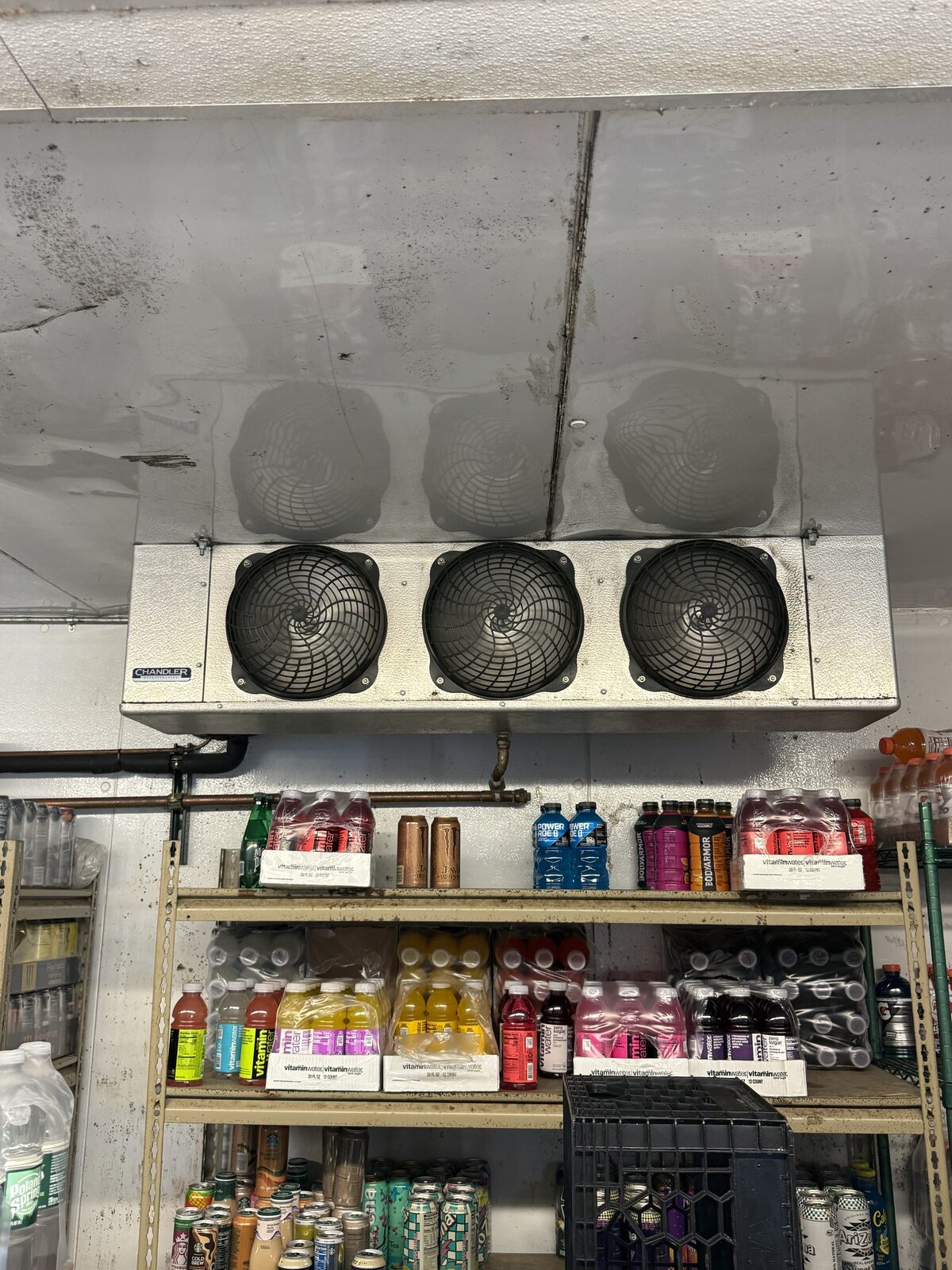
Not all maintenance contracts are built the same. At Armus Refrigeration, we offer three clear tiers—basic, standard, and higher-tier—so your business gets only what it needs, no more, no less.
Basic agreements cover annual inspections, seasonal tune-ups, and standard repair calls. Ideal for small delis or cafes with simple systems, like a single reach-in cooler. These contracts keep your equipment running and help you meet basic EPA Section 608 compliance by ensuring technicians are certified and records are kept.
Standard agreements add quarterly leak checks, refrigerant monitoring, and priority response during business hours. This level works well for restaurants with multiple refrigeration systems, like a full kitchen or a sandwich shop with a walk-in and two coolers. It aligns with EPA’s 30-day repair clock and 20% leak threshold rule for commercial refrigeration.
Higher-tier agreements include 24/7 emergency service, automatic leak detection system checks (required for systems over 1,500 lbs installed between 2017–2026), and full documentation for audits. This is what supermarkets and cold storage warehouses in New Bedford need to stay compliant with the AIM Act and avoid fines. Every service visit logs data—critical when reporting chronic leaks under 40 CFR 82.157(c)(2).
All contracts are customized. We don’t sell one-size-fits-all. Whether you’re a seafood market or a full-service diner, we tailor the service to your systems, your risks, and your schedule. Armus Refrigeration, 88 Mill St, New Bedford, MA — 508-521-9477.
Why Preventive Maintenance Saves More Than It Costs
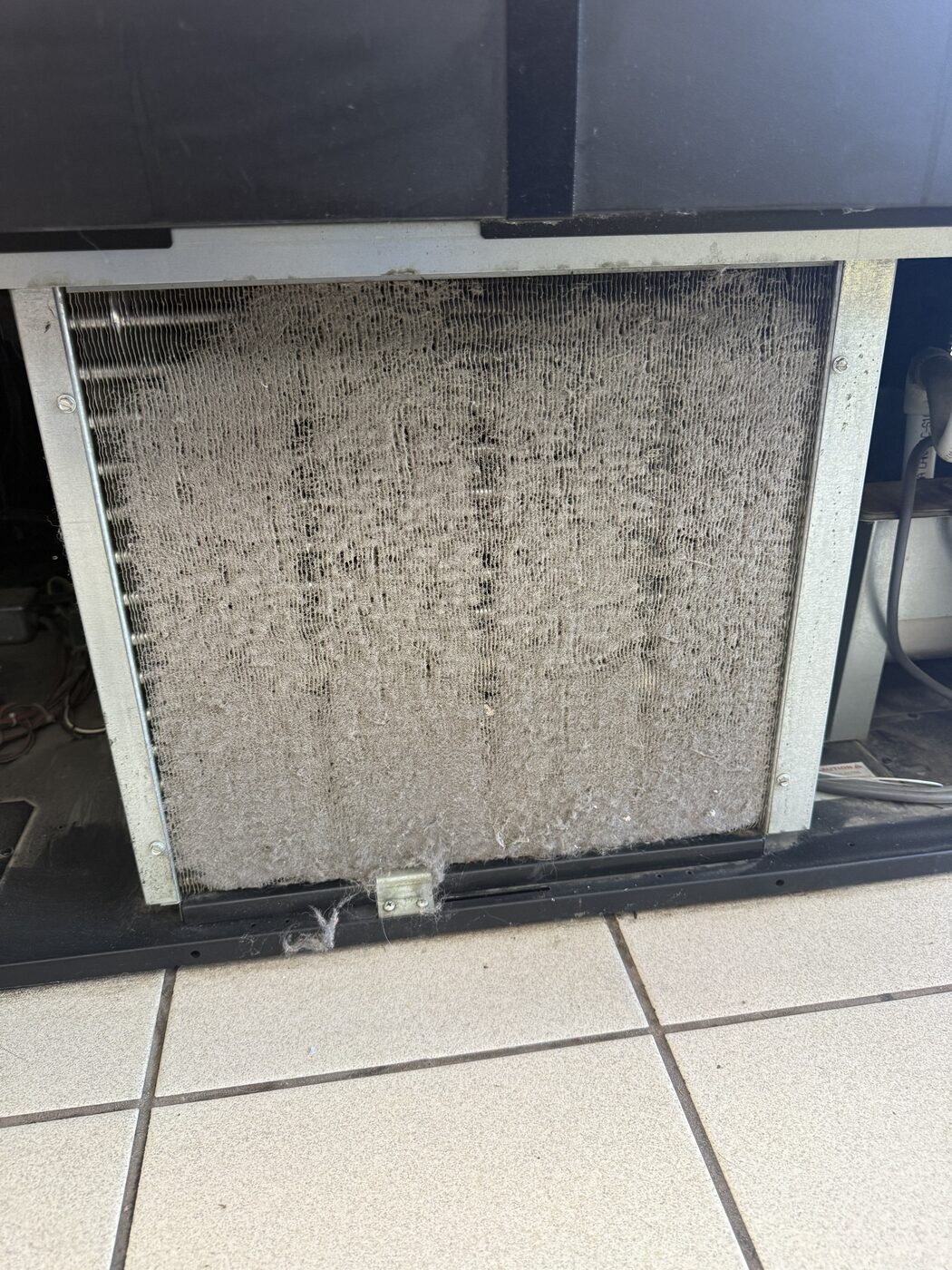
Think of your commercial refrigeration system like a car. You wouldn’t wait for the engine to seize before taking it in for service. Yet too many businesses treat refrigeration the same way—until the alarm goes off and the walk-in is warm. That’s when emergency commercial refrigeration repair kicks in, and costs can spike fast. A single breakdown can cost thousands, not just in repairs but in spoiled inventory, lost customers, and downtime.
Under EPA Section 608, if your system leaks more than 20% of its refrigerant annually—common in older or poorly maintained units—you’re required to fix it within 30 days. Waiting means penalties, fines, and even equipment shutdowns. The same applies under the new 40 CFR 84.106 rule, which now triggers repair duties for systems with just 15 pounds of HFC refrigerant.
Preventive commercial refrigeration service keeps your system under that threshold. Quarterly inspections, proper leak checks, and timely repairs prevent small issues from becoming full-blown failures. You’re not just avoiding emergency repair costs—you’re staying compliant with EPA rules and protecting your business from costly violations.
Regular maintenance isn’t an expense. It’s a smart investment. Armus Refrigeration, 88 Mill St, New Bedford, MA — 508-521-9477.
What Our Techs Check First (From the Field)
When we arrive at your site, our first move isn’t to fiddle with settings. It’s a full system check, right from the start. We start with pressure — suction, discharge, and net oil pressure — to spot imbalances before they cause a failure. Then we check the pressure drop across every filter and drier. A spike here means clogs, and clogs starve the system. We verify superheat at the compressor, aiming for 20°F to 30°F for semi-hermetic units, per Heatcraft’s System Balancing guidance.
If it’s outside that range, we adjust only after confirming the unit’s specific specs. All this follows EPA Section 608 and Heatcraft’s semi-annual maintenance checklist. We don’t skip steps. We don’t guess. Every check is a step toward keeping your equipment running safe, legal, and efficient. This is how real maintenance works. Armus Refrigeration, 88 Mill St, New Bedford, MA — 508-521-9477.
Frequently Asked Questions
How often should commercial refrigeration maintenance be scheduled?
Most units need service every six months. For high-use equipment like walk-ins or ice machines, semi-annual checks are standard. Heatcraft and Follett recommend semi-annual cycle checks and cleaning schedules. Regular maintenance prevents breakdowns and keeps your system compliant with EPA and FDA standards.
What happens if a refrigerant leak isn’t fixed within 30 days?
The appliance owner must follow EPA’s AIM Act leak repair rules. If a leak is detected, repairs must be completed within 30 days. Delaying repairs risks violating federal regulations and can result in fines. A service contract ensures timely inspections and repairs, keeping you in compliance.
Can I skip maintenance if my equipment seems to be working fine?
No. Skipping maintenance voids warranties and increases the risk of breakdowns. FDA Food Code 2022 requires doors, seals, and components to be tight and adjusted per manufacturer specs. Wine Guardian and Follett both warn that neglect leads to inefficiency, condensation, and costly failures. Regular service prevents emergencies and keeps your equipment safe and efficient.
Related Services
- Restaurant Refrigeration Service in Fall River, MA
- Restaurant Refrigeration Service in New Bedford, MA
- Restaurant Refrigeration Service: One Number for Every Cold Box in the House
Sources We Work From
The standards and manufacturer service requirements behind this page:
- EPA Fact Sheet — AIM Act Automatic Leak Detection Requirements (January 2026)
- EPA — Stationary Refrigeration Safe Disposal Requirements
- Federal Register — Phasedown of HFCs: Reconsideration of Certain Technology Transitions Requirements
- EPA Fact Sheet — AIM Act Leak Repair Requirements (January 2026)
- Cornell LII — 40 CFR 82.152 Definitions
- EPA — Stationary Refrigeration Leak Repair Requirements
For the rules and standards behind this work, see the FDA Food Code and ENERGY STAR commercial food service guidelines from the federal agencies that govern commercial refrigeration.
How we write these: every procedure, temperature and interval on this page is taken from manufacturer service literature or federal food and refrigerant code, listed in Sources above, and reviewed by our own technicians against what we see in the field. We revise the page when a standard or a manufacturer procedure changes.