If your prep table refrigeration is running warm or not cooling at all, don’t wait—call for prep table refrigeration repair near me today. In a commercial kitchen, every hour without cold storage means food risk, waste, and lost revenue. We’ve seen it all: dirty condenser coils, failed controllers, and refrigerant leaks that trigger EPA leak-repair rules. Our team at Armus Refrigeration, based at 88 Mill St, New Bedford, MA, handles all types of commercial refrigeration equipment—walk-ins, prep tables, wine coolers—fast and right.
Why Prep Table Refrigeration Repair Near Me Matters for Your Kitchen
Refrigerated prep tables aren’t just for keeping food cold—they’re the backbone of a safe, efficient kitchen. When your system fails, food temps rise, safety rules are at risk, and your kitchen can’t work. A broken refrigeration system doesn’t just stall service—it costs you money every minute it’s down.
That’s why same-day commercial refrigeration repair service matters. We know how fast things go wrong. One failed compressor, one bad seal, one leaking refrigerant line—your kitchen stops running. When your system fails, it’s not just about fixing a unit—it’s about restoring your entire system’s performance. A leak in a commercial refrigeration system triggers EPA requirements, and even small leaks can grow fast. We repair, test, and verify that your system meets performance and safety standards—no delays, no guesswork.
for over fifteen years, Armus Refrigeration has provided service across southeastern Massachusetts and Rhode Island. Based at 88 Mill St, New Bedford, MA — we’re local, we’re ready, and we’re not leaving until your kitchen is back in full work mode.
The Hidden Risks of Delayed Prep Table Refrigeration Repair
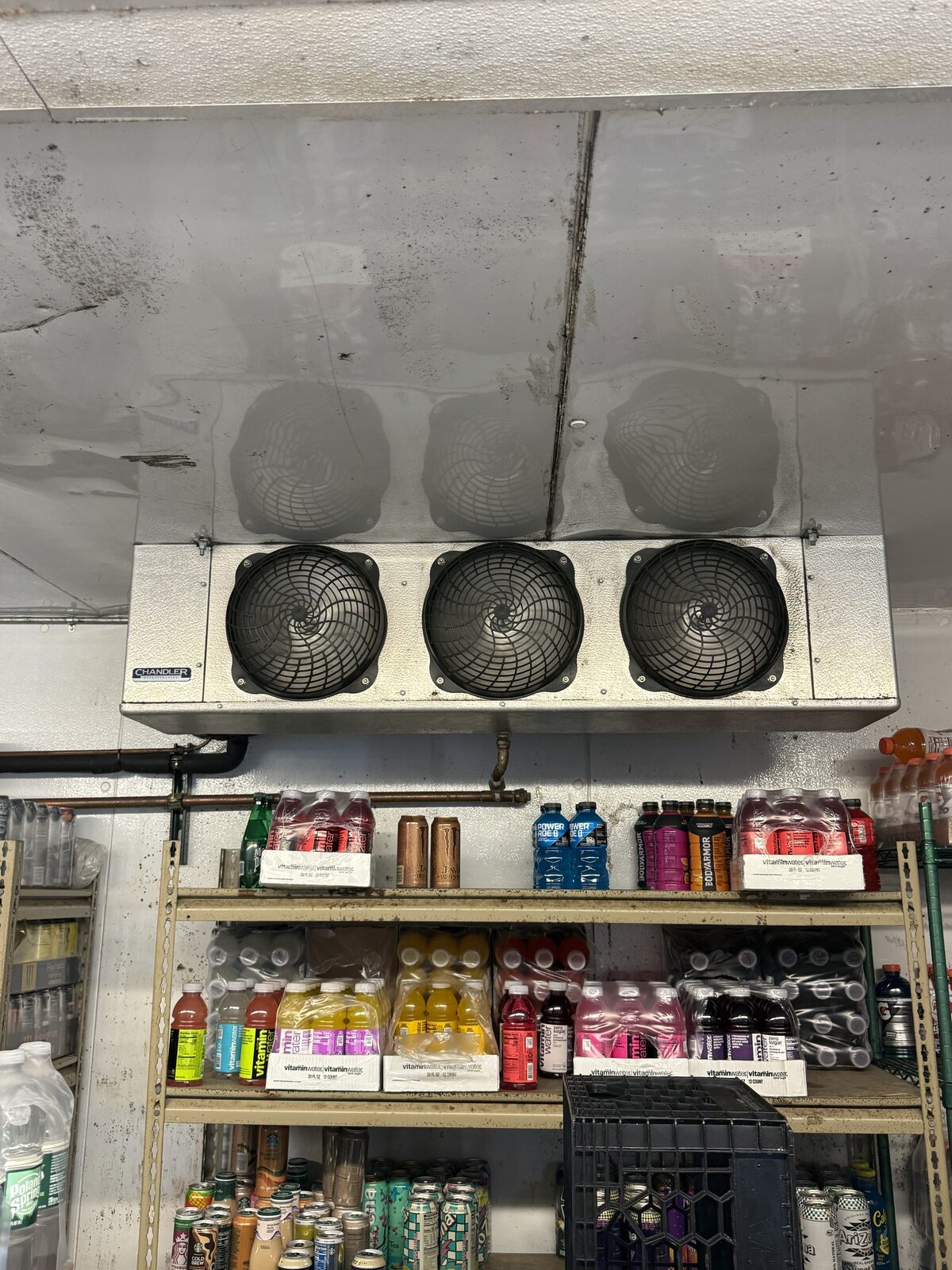
Ignoring a failing prep table refrigerator isn’t just about cold food—it’s about cold cash. When temperature drifts, your food spoils faster, especially in hot summer months or during peak dinner rushes. A unit that can’t hold proper temp means wasted ingredients, unhappy customers, and a kitchen that’s not ready when it needs to be.
Even a small refrigerant leak can trigger EPA compliance triggers. Appliances holding 50 pounds or more of refrigerant must be repaired if they leak over 20% per year. Under the AIM Act, systems with 15 pounds or more of HFC refrigerant now face the same 20% annual repair threshold starting January 2026. Waiting means bigger fines and higher repair bills later.
And if your prep table doesn’t meet NSF/ANSI 7:2024 standards—like running in areas above 86°F without proper labeling—you’re at risk during health inspections. Massachusetts local boards of health enforce the state food code, and violations can mean suspended permits. One day without a functioning appliance can cost more than the repair.
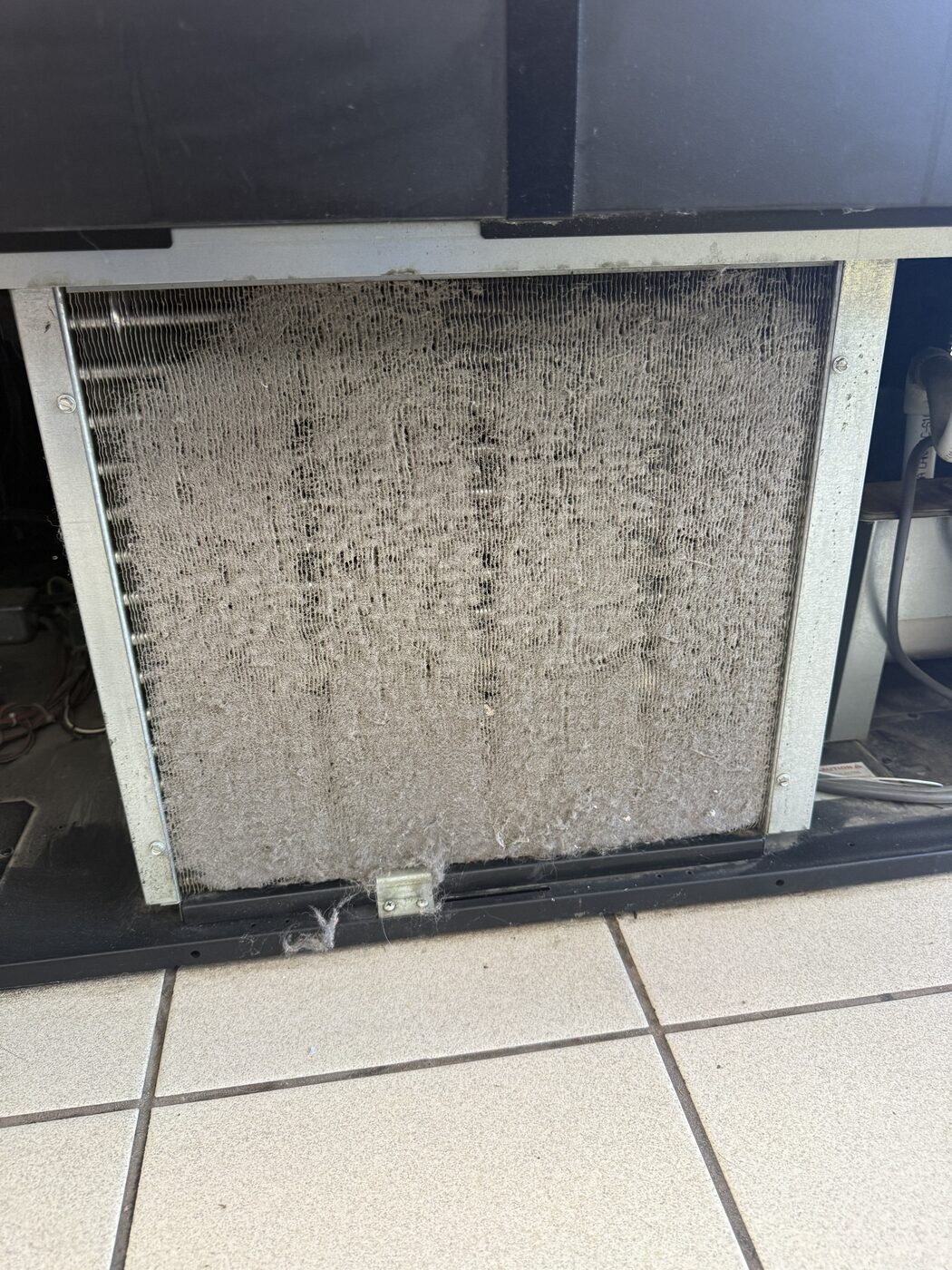
Don’t wait for a full breakdown. If your new appliance isn’t cooling right, check the condenser coil—dirt and lint buildup are a top cause. A dirty coil forces the system to work harder, wasting energy and shortening the unit’s life. Routine commercial refrigeration repair and maintenance keeps things running smooth and safe.
What Our Techs Check First (From the Field)
When we arrive on-site, our first move isn’t to open the cabinet—first, we check the rail for ice buildup or water pooling, which can signal defrost issues. We then verify the compressor’s amp draw and listen for abnormal noise—any grinding or buzzing means a contactor or bearing issue.
We measure discharge line temperature 6 inches from the compressor; if it’s over 225°F, the condenser’s dirty or airflow is restricted. Next, we inspect the drier for blockage by checking pressure drop across it and confirm the seal around the compressor is intact.
We test superheat at the suction line—must be 20°F to 30°F for semi-hermetic units, never below 10°F. If superheat is low, we check the expansion valve and sensor bulb placement. We also confirm crankcase heater operation by measuring amp draw. All this before touching refrigerant.
Compliance & Safety: What the Law and Standards Demand
Running a commercial kitchen means keeping your prep table refrigeration up to code — not just for food safety, but for legal compliance. The EPA’s leak rules require repairs if your system loses more than 20% of its refrigerant annually, a threshold that applies to appliances holding 50 pounds or more of ozone-depleting refrigerant under EPA Section 608, and 15 pounds or more of HFC refrigerant under the AIM Act refrigerant-management rule. Even small leaks can grow fast and trigger mandatory repairs.
Plus, walk-in units must have a label near the door stating they’re for sealed-package storage only. Missing or incorrect labels can trigger violations during health inspections. A professional commercial refrigeration repair service like Armus Refrigeration checks these labels during every service call, ensuring your system isn’t just working — it’s compliant.
When we service your system, we verify the ambient rating, inspect for leaks, and confirm all equipment is labeled per NSF/ANSI 7:2024. This isn’t extra work — it’s part of keeping your kitchen safe, legal, and running smoothly.
Frequently Asked Questions
How soon can you send someone for prep table refrigeration repair near me?
We often provide same-day service in New Bedford and surrounding areas. If your prep table is not cooling, call Armus Refrigeration at 88 Mill St, New Bedford, MA — 508-521-9477. We dispatch qualified technicians fast, especially during peak season. Most repairs start within hours of your call.
Do you recommend replacing parts with non-OEM brands?
No, we don’t recommend non-OEM parts. True Manufacturing’s manual states using non-OEM components may void the warranty. We stick with OEM or equivalent quality parts to ensure reliability. Our service includes testing the system post-repair to confirm performance.
What should I do if my prep table is not cold enough?
First, check for a dirty condenser coil—dirt or lint can block airflow. Clean it with an NSF-listed ice machine cleaner (check your manual’s spec). If the issue persists, call Armus Refrigeration. We’ve seen this on U-Line and True units. A blocked coil can cause cooling failure—our service fixes it right.
Technical Data Summary
| Parameter | Value |
|---|---|
| EPA leak repair threshold (commercial refrigeration) | Over 50 lbs refrigerant: 20% per year; 15 lbs HFC: 20% per year (AIM Act, Jan 2026) |
| Superheat range (semi-hermetic compressors) | 20°F to 30°F (per Heatcraft manual) |
| Discharge temperature (max safe) | Below 225°F |
| NSF/ANSI 7:2024 ambient rating (Type I) | Up to 86°F |
| Design temperature difference (TD) | 12–16°F for 65–80% RH; 17–22°F for 50–65% RH |
| Oil safety control reset | Manual reset required after 120 seconds below 9 PSIG |
Sources We Work From
The standards and manufacturer service requirements behind this page:
- EPA — Stationary Refrigeration Leak Repair Requirements
- Intertek Standards Update Notice, NSF/ANSI 7:2024 (issued November 18, 2025)
- Armus Refrigeration service record — wine cellar cooling unit, Rochester, MA (September 2026)
- Danfoss white paper, Hot gas defrost of low temperature refrigeration evaporators with natural refrigerants (10th IIR Gustav Lorentzen Conference)
- FDA National Retail Food Team, List of American National Standards for Food Equipment
- U-Line — User Guide & Service Manual (Model U-2218BEVS-00A)
For the rules and standards behind this work, see the FDA Food Code and ENERGY STAR commercial food service guidelines from the federal agencies that govern commercial refrigeration.
How we write these: every procedure, temperature and interval on this page is taken from manufacturer service literature or federal food and refrigerant code, listed in Sources above, and reviewed by our own technicians against what we see in the field. We revise the page when a standard or a manufacturer procedure changes.