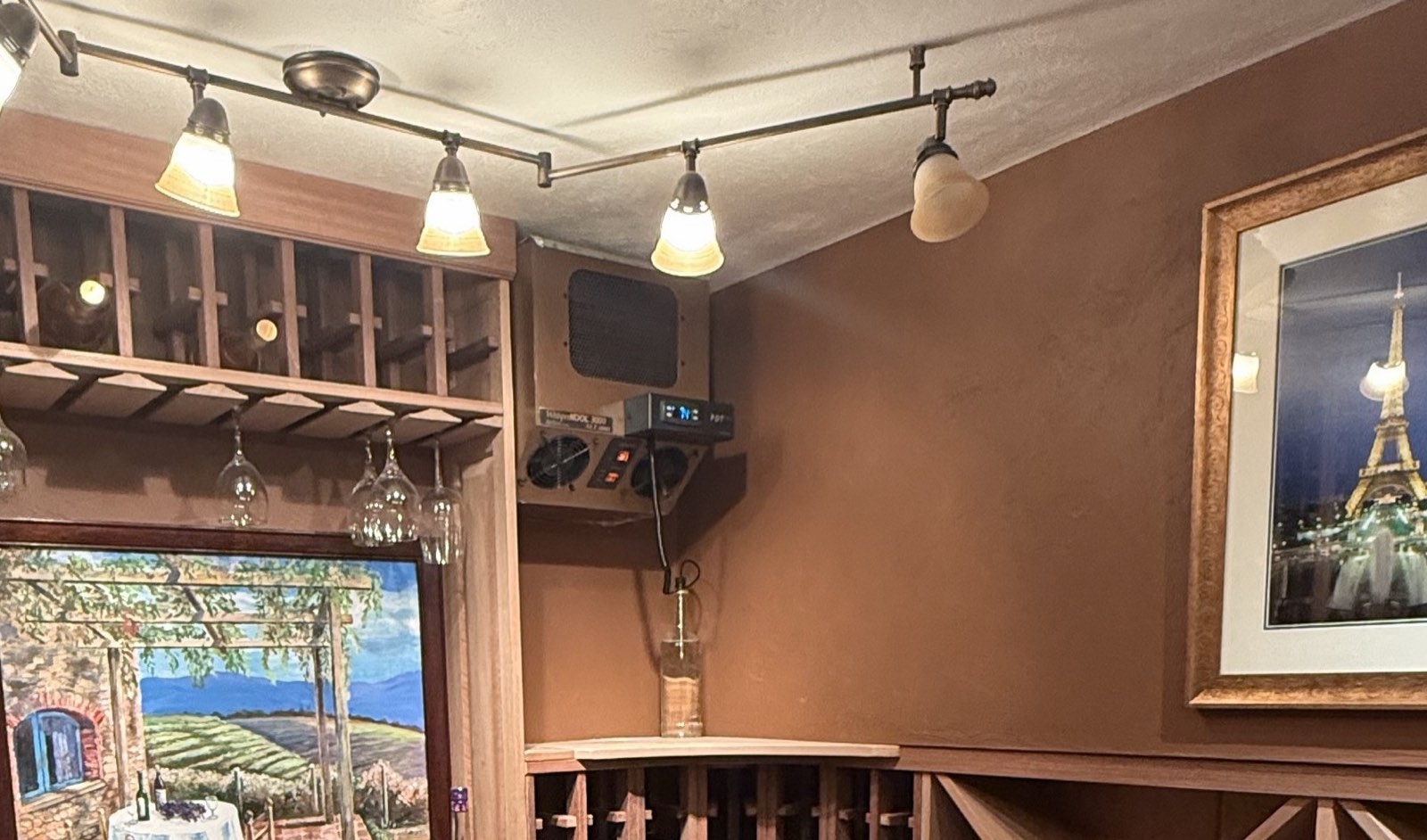
When your wine cooler quits, every hour it’s off is a risk to your collection. In New Bedford and across southeastern Massachusetts, Armus Refrigeration handles urgent wine cooler repair for commercial spaces—restaurants, bars, and retail shops—where cooling failures mean spoiled inventory and lost revenue. We service all types: built-in, ducted, and self-contained units, including those with digital controllers and dual fans. If your unit cycles on and off more than eight times per hour, it’s likely malfunctioning. Under EPA Section 608, commercial refrigeration systems above the EPA charge thresholds (50 pounds of ozone-depleting refrigerant, or 15 pounds of HFC refrigerant since January 2026) must be repaired if they leak at more than 20% per year—our technicians test and reseal systems to meet that standard. We’ve fixed units in Rochester, MA, and back in New Bedford, we’re ready to respond. Call Armus Refrigeration at 88 Mill St, New Bedford, MA — 508-521-9477.
Why Commercial Wine Cooler Repair Matters for Your Business
A failing wine cooler isn’t just an appliance issue—it’s a business risk. If your commercial wine cooler repair is delayed, temperatures can swing. That’s not just bad for wine; it’s a direct hit to your bottom line. Vinotemp says a well-maintained wine fridge lasts 10 to 15 years. Without timely repair, you’re cutting that short. A cooling system cycling more than eight times per hour? That’s a red flag from Wine Guardian. It means your cabinet is working overtime, losing efficiency, and risking spoilage.
Wine Guardian also warns that a poorly sealed cellar door causes condensation and temperature spikes. That stresses the refrigeration system and can ruin your inventory. If your unit holds 50+ pounds of refrigerant, it falls under EPA Section 608. A leak rate over 20% per year triggers mandatory repair—this isn’t optional. The owner is responsible for tracking leaks, filing reports, and keeping records for three years.
Ignoring these issues isn’t cost-saving. It’s inviting loss. Spoiled wine means wasted stock. Dissatisfied customers leave. Lost revenue adds up fast. When your system fails, you need a real repair—fast. Armus Refrigeration, based at 88 Mill St, New Bedford, MA — 508-521-9477, handles commercial wine fridge repair across the region. We don’t wait. We fix it right.
Common Wine Cooler Issues & What They Mean for Your Cooling System
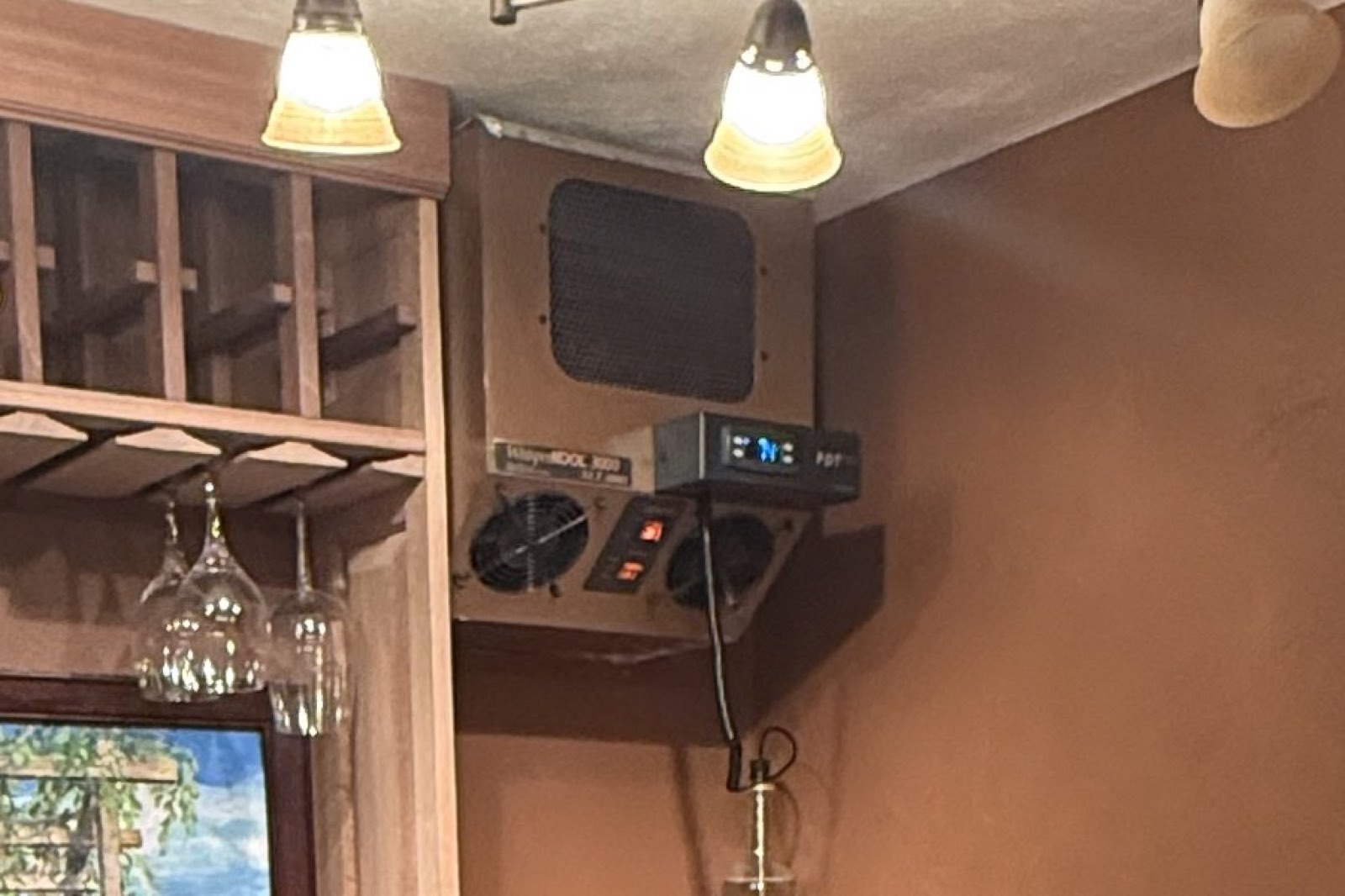
When your wine cooler isn’t cooling, it’s not just an inconvenience—it’s a sign the system is struggling. Frequent door openings, a damaged gasket, or a fan that won’t run can cause evaporator icing, blocking airflow and starving the evaporator of heat absorption. Danfoss notes that defrost issues, short defrost cycles, or a faulty defrost thermostat can trigger this. If the fan isn’t spinning, check for blown fuses, a defective motor, or a delay thermostat that won’t reset—Heatcraft lists six causes, including a coil too cold to reset the fan delay. Over-cycling—more than eight times per hour—is a red flag. Wine Guardian warns this often means the compressor is overworking due to poor insulation, leaky seals, or a refrigerant leak. A dirty condenser coil can also prevent proper heat rejection, especially in high-ambient conditions. Heatcraft’s H-IM-90 Table 4 shows that small design temperature differences limit cold-weather fan cycling range—meaning units with tight specs fail faster in colder temps. If your cooling system cycles on and off too often, or the product stays warm, it’s time for a full system check. We don’t wait. We fix it right. For wine cellar cooling unit repair, call Armus Refrigeration at 88 Mill St, New Bedford, MA — 508-521-9477. Our wine cooler repair service handles compressors, fans, evaporators, condensers, and refrigerant systems with precision. We’re family-run, local, and ready when you are.
Built-In Wine Coolers Need Proper Ventilation & Placement
Proper Ventilation and Placement Prevent Wine Cooler Repair Issues
A wine cellar cooling unit needs consistent airflow and proper placement to run efficiently. Heatcraft warns against installing a unit near a door—especially one that opens frequently—because discharge air can push warm air back into the space, causing fan icing and hoar-frost. This strain can lead to premature failure of the compressor or evaporator, requiring wine fridge repair. Never place a cooler in another unit’s air stream; that can cause defrosting issues and reduce cooling performance.
Wine Guardian’s maintenance guide confirms that a poorly sealed wine cellar door invites temperature swings and excessive condensation, forcing the system to cycle more than eight times per hour—often a sign of trouble. That’s not just inefficient; it stresses the refrigeration system and increases the risk of needing wine cooler repair near me.
Always ensure the unit has unobstructed ventilation on all sides. Avoid placing it in direct airflow from AC vents or open windows. The goal is stable, consistent cooling—not fighting air currents or temperature spikes.
If you’re having trouble with a built-in wine cooler, it may not be the compressor. It could be poor placement. Armus Refrigeration, based at 88 Mill St, New Bedford, MA, handles all types of wine cellar cooling unit repair—compressors, fans, condensers, and refrigerant systems—with precision. We’re family-run, local, and ready when you are.
What Our Techs Check First (From the Field)
When a wine cooler isn’t holding temperature, we start with the basics—no guesswork. Our on-site checks follow a proven order, based on real jobs across New Bedford and the South Coast.
- Verify the temperature settings using the controller’s “SET” button and confirm the probe is correctly placed in a bottle of water, per WhisperKOOL’s guide.
- Inspect the door seal for gaps or damage—Danfoss lists frequent door openings and damaged gaskets as top causes of evaporator icing.
- Test fan operation: listen for consistent airflow and check for blockages. Heatcraft’s manuals note fan delay and defrost termination at 35°F and 55°F, respectively.
- Check the condenser coil for dust, debris, or ice buildup—especially in units with multiple fans, where ambient cycling limits vary by design TD.
- Assess refrigerant levels carefully. If the system was opened, we confirm refrigerant charge during reassembly, as done in the Rochester job, and ensure compliance with EPA rules on leak reporting and recordkeeping.
- Finally, confirm the controller is reading and responding correctly—no false signals from a faulty sensor or misprogrammed logic.
Armus Refrigeration, 88 Mill St, New Bedford, MA — 508-521-9477. We fix what matters, fast.
Frequently Asked Questions
How do I know if my wine cooler needs urgent repair?
If your wine cooler isn’t maintaining proper temperature, check the thermostat setting and ensure the probe is correctly placed in a bottle of water per the manufacturer’s guide. A cooling unit that fails to maintain temperature may have a leak or a failed controller. EPA leak-repair rules apply to appliances holding 50 pounds or more of ozone-depleting refrigerant under Section 608 and, since January 2026, 15 pounds or more of HFC refrigerant under the AIM Act refrigerant-management rule; the repair trigger is a leak rate over 20% per year for commercial refrigeration (10% for comfort-cooling equipment). Most wine coolers hold far less, but any refrigerant work still belongs to a certified technician, and once a threshold leak is found the 30-day repair clock starts.
Can I replace the controller myself, or should I call a pro?
If you’re replacing a digital controller on a built-in wine cellar cooling unit, we recommend professional installation. Even if you supply the part, like in a recent Rochester service call, we handle the refrigerant charge, reassembly, and full system test to ensure safety and compliance. Opening a sealed system requires EPA Section 608 certification and proper recordkeeping.
What happens during a typical wine cooler repair service?
A technician will inspect the unit’s cooling performance, check for refrigerant leaks, verify the thermostat and probe settings, and test the fans and controller. If repairs are needed, we’ll recharge the system, reassemble the unit, and run a full test before leaving. For built-in models like the WhisperKOOL 3000, we’ve reinstalled units after replacing controllers and verified cooling function on-site.
Related Services
- Walk-In Cooler Repair in Sandwich, MA
- Walk-In Cooler Repair in New Bedford, MA
- Walk-In Cooler Repair in MA & RI
Sources We Work From
The standards and manufacturer service requirements behind this page:
- Armus Refrigeration service record — wine cellar cooling unit, Rochester, MA (September 2026)
- EPA — Stationary Refrigeration Leak Repair Requirements
- Vinotemp — How Long Should a Wine Fridge Last?
- Cornell LII — 40 CFR 82.152 Definitions
- Wine Guardian — 5 Types of Wine Cellar Cooling Units and How They Work
- Wine Guardian — Prevent Costly Wine Cooler Repairs: A Maintenance Guide
For the rules and standards behind this work, see the FDA Food Code and ENERGY STAR commercial food service guidelines from the federal agencies that govern commercial refrigeration.
How we write these: every procedure, temperature and interval on this page is taken from manufacturer service literature or federal food and refrigerant code, listed in Sources above, and reviewed by our own technicians against what we see in the field. We revise the page when a standard or a manufacturer procedure changes.