You’re losing product every minute that temperature drifts. In our commercial kitchens across New Bedford and Rhode Island, safety isn’t optional. So, what temperature should a walk in cooler be? The FDA Food Code mandates holding TCS foods at 41°F or below. That’s why we set units in the mid-30s. It provides a buffer against door openings and compressor cycles. Proper refrigeration protects your food and your bottom line.
What Temperature Should a Walk In Cooler Be for Compliance?
You need to know exactly what temperature should a walk in cooler be to stay legal. The FDA Food Code section 3-501.16 sets the bar. It requires time/temperature control for safety foods at 41°F or below. Inspectors mark you out of compliance if even one item fails this check. That is a Priority violation.
We don’t set thermostats right at 41°F. You need a buffer. Door openings and compressor cycles change the air temp. Setting units in the mid-to-high 30s keeps foods safe. It stops bacteria from growing before you even notice a spike. Proper cold holding protects your inventory.
There is a legal difference between a cooler and a freezer. Under 42 U.S.C. 6311(20), a walk-in cooler holds temps above 32°F. A walk-in freezer operates at or below that mark. This definition matters for your storage needs. You store different products in each space.
Knowing these rules helps you avoid costly violations. We see kitchens fail inspections because they ignored the margin of safety. Keep your TCS items cold. Keep your doors closed. Follow the code to keep your business running smooth.
Energy Efficiency and Insulation Standards for Walk-In Units
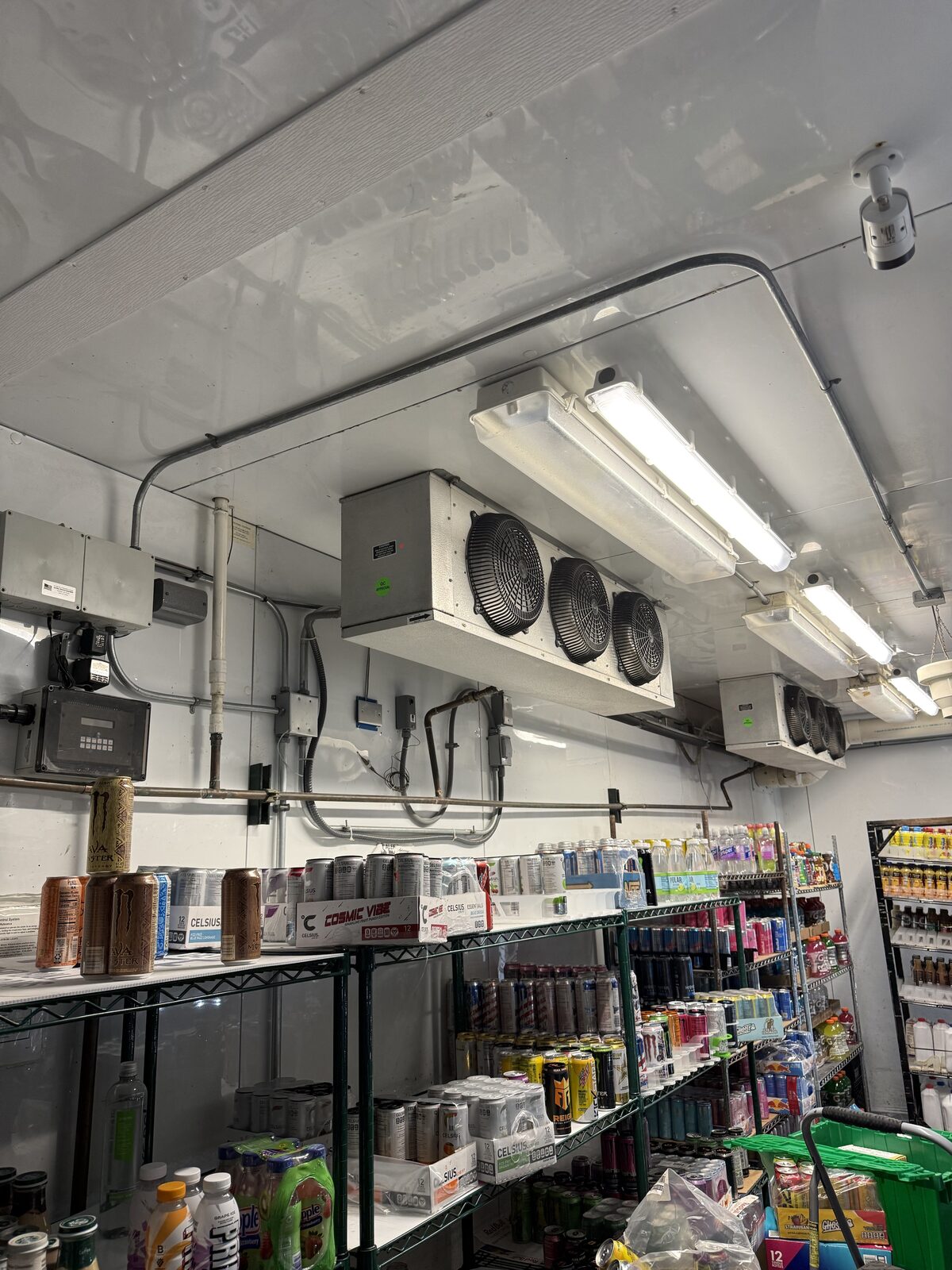
Setting the right temperature isn’t just about keeping food safe. It directly impacts your energy bills. Federal standards under 10 CFR 431.306 mandate minimum insulation levels to keep costs down. You need at least R-25 for cooler walls and ceilings. Freezers require thicker R-32 insulation plus R-28 in the floor. These rules exist because heat transfer kills efficiency.
Proper design matters just as much as insulation. Heatcraft recommends specific temperature differences for optimal performance. For high-humidity produce storage, aim for a 7 to 9°F difference. General storage units work best with a 10 to 12°F gap. This balance prevents dehydration while maintaining steady cooling power throughout the unit.
Don’t ignore evaporator superheat settings either. Systems designed with a 10°F temperature difference should run between 6 and 10°F of superheat. Higher differences might need adjustments up to 15°F. Getting these numbers right maximizes efficiency without overworking your equipment. It’s a simple tweak that saves money long term.
When people ask how much does a walk in cooler cost, they often forget operating expenses. A poorly tuned system burns cash every day. Meeting Annual Energy Factor standards ensures you aren’t paying for wasted power. Check your setup against these guidelines before calling for repairs. Small adjustments prevent big headaches later on.
Walk In Cooler Service: Maintaining Optimal Performance
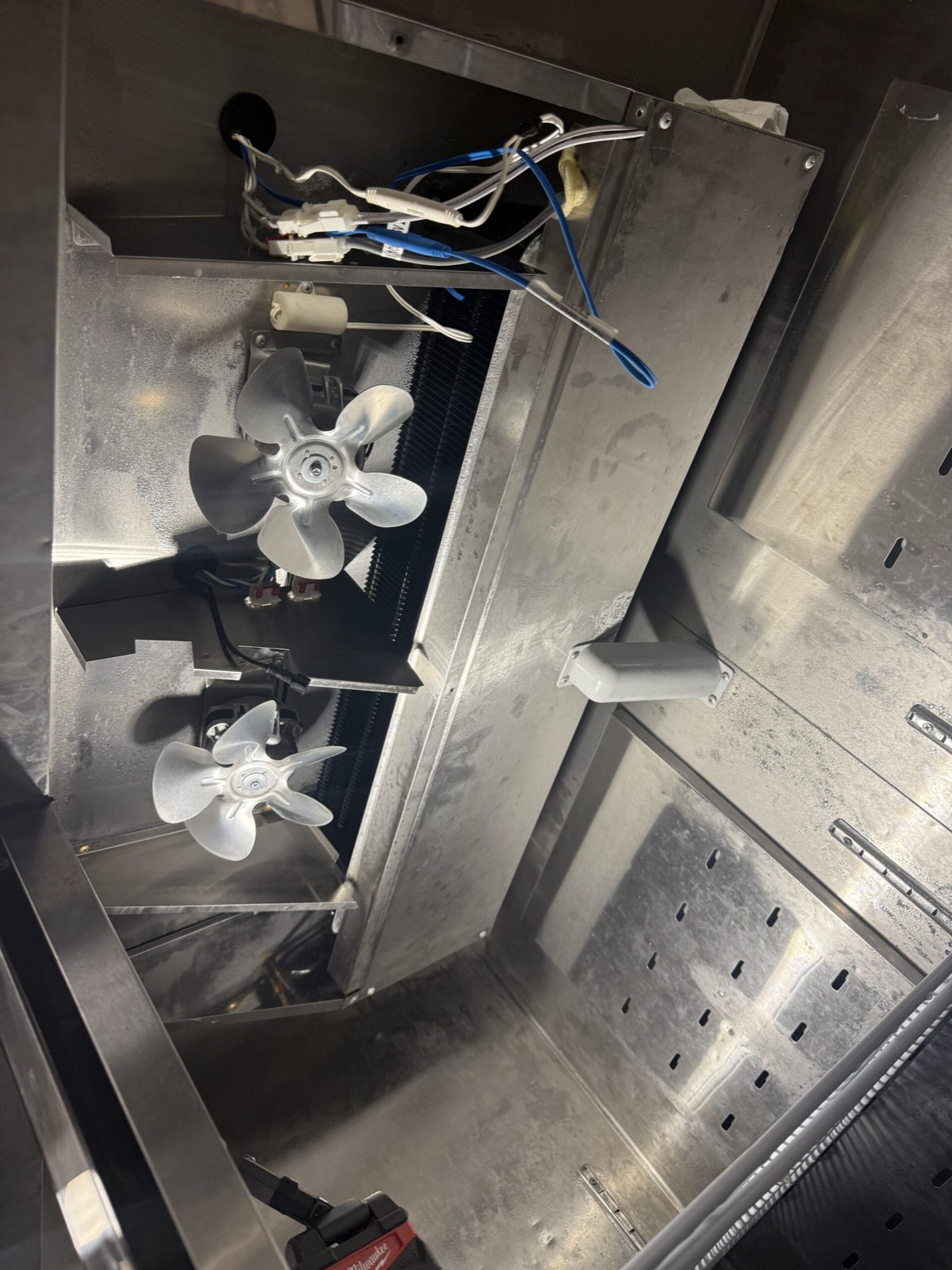
Hitting that target temperature isn’t just about setting the thermostat. It requires consistent walk in cooler service to keep the system running right. If your unit struggles to stay cold, don’t ignore it. Small issues turn into big repairs fast.
Airflow matters more than you might think. Heatcraft engineering manuals specify that general storage coolers need about 40 to 80 air changes per hour. This keeps the air moving and the temperature stable for your products. Without proper circulation, hot spots develop quickly.
Placement is critical too. Never put a unit cooler right next to a door. Heatcraft warns this causes extra infiltration, leading to fan icing and hoar-frost. It also messes with defrost cycles. Keep units out of each other’s air streams to avoid these headaches.
Compliance plays a role here as well. NSF/ANSI 7:2024 requires specific ambient temperature labels on buffet units. Type I units are rated for areas under 86°F, while Type II handles up to 100°F. Make sure your refrigerator setup matches the room conditions.
We’ve seen enough failed systems in Rhode Island and Southeastern Massachusetts to know this: maintenance prevents breakdowns. Regular checks save you money and keep food safe. Don’t wait for the compressor to fail before calling for help.
Understanding Costs and Upgrades for Commercial Refrigeration
When you ask how much does a walk in cooler cost, the answer depends on more than just square footage. Size matters, but insulation quality drives long-term efficiency. Federal standards under 10 CFR 431.306 require at least R-25 wall and ceiling insulation for coolers. Freezers need even thicker R-32 insulation to keep frozen goods safe.
Refrigerant choice is changing fast. The EPA’s Technology Transitions rule, effective July 27, 2026, tightens Global Warming Potential limits for commercial refrigeration. New retail food systems face stricter caps on high-GWP refrigerants. This affects everything from supermarket racks to restaurant walk-ins.
If you are upgrading an older system, consider the long-term savings. Switching to lower-GWP refrigerants now can prevent costly retrofits later. The EPA defines commercial refrigeration broadly under 40 CFR 82.152, meaning most food service units fall under these new rules.
We see this shift daily at Armus Refrigeration in New Bedford. Proper insulation and compliant refrigerants reduce energy bills significantly. It’s not just about meeting code; it’s about keeping your operation profitable while staying legal. Plan ahead for these changes.
What Our Techs Check First (From the Field)
When our techs arrive on site, we start with the basics. We check door gaskets and latches for air leaks right away. If you see frost on the thresholds, that usually means the anti-condensate heater has failed. The Kolpak manual notes this is a common sign of inoperable heaters or excess moisture.
Next, we inspect the evaporator coils. Poor air placement near doors can cause hoar-frost and fan icing. Heatcraft warns against putting a unit cooler too close to an opening. It also advises keeping units out of each other’s airstreams to prevent defrost issues.
- Verify superheat settings for your system.
- Aim for 6°F to 10°F on standard 10°F TD systems.
- Adjust to 12°F to 15°F if you are running higher TDs.
These adjustments matter for efficiency and safety. Proper temperatures protect your equipment and your food. We’ve served southeastern Massachusetts and Rhode Island for over fifteen years. We know that skipping these checks leads to costly breakdowns later. Keep the airflow clean and the settings tight.
Frequently Asked Questions
What is the ideal temperature for produce?
Aim for the mid-30s to keep bacteria at bay while preserving freshness. The FDA Food Code mandates holding time/temperature control foods at 41°F or below, so setting your unit slightly lower provides a safety buffer. This range prevents spoilage without freezing delicate items, ensuring your inventory stays safe and saleable longer.
How often should I service my walk-in?
Schedule professional maintenance bi-annually to catch small issues before they become expensive repairs. Regular service ensures your system runs efficiently and stays compliant with health codes. Skipping these checks risks sudden breakdowns during peak hours, costing you more in emergency repair fees than routine upkeep ever would.
Why is my cooler running constantly?
Constant cycling usually signals poor insulation, door seal leaks, or incorrect superheat settings. Manufacturers like Heatcraft specify precise evaporator superheat ranges for efficiency; deviations waste energy. A technician can diagnose whether the issue requires simple repair work or adjusting mechanical controls to restore proper performance and lower your utility bills.
Related Services
- Walk-In Cooler Repair in Sandwich, MA
- Walk-In Cooler Repair in New Bedford, MA
- Walk-In Cooler Repair in MA & RI
Sources We Work From
The standards and manufacturer service requirements behind this page:
- FDA Food Code, section 3-501.16
- Heatcraft Unit Coolers Installation and Operations Manual (H-IM-UC)
- Cornell LII — 40 CFR 82.152 Definitions
- 42 U.S.C. 6311(20), Definitions
- FDA Food Code 2022, Chapter 3 (full document PDF)
- Copeland Application Engineering Bulletin AE4-1344 R21
For the rules and standards behind this work, see the FDA Food Code and ENERGY STAR commercial food service guidelines from the federal agencies that govern commercial refrigeration.
How we write these: every procedure, temperature and interval on this page is taken from manufacturer service literature or federal food and refrigerant code, listed in Sources above, and reviewed by our own technicians against what we see in the field. We revise the page when a standard or a manufacturer procedure changes.