
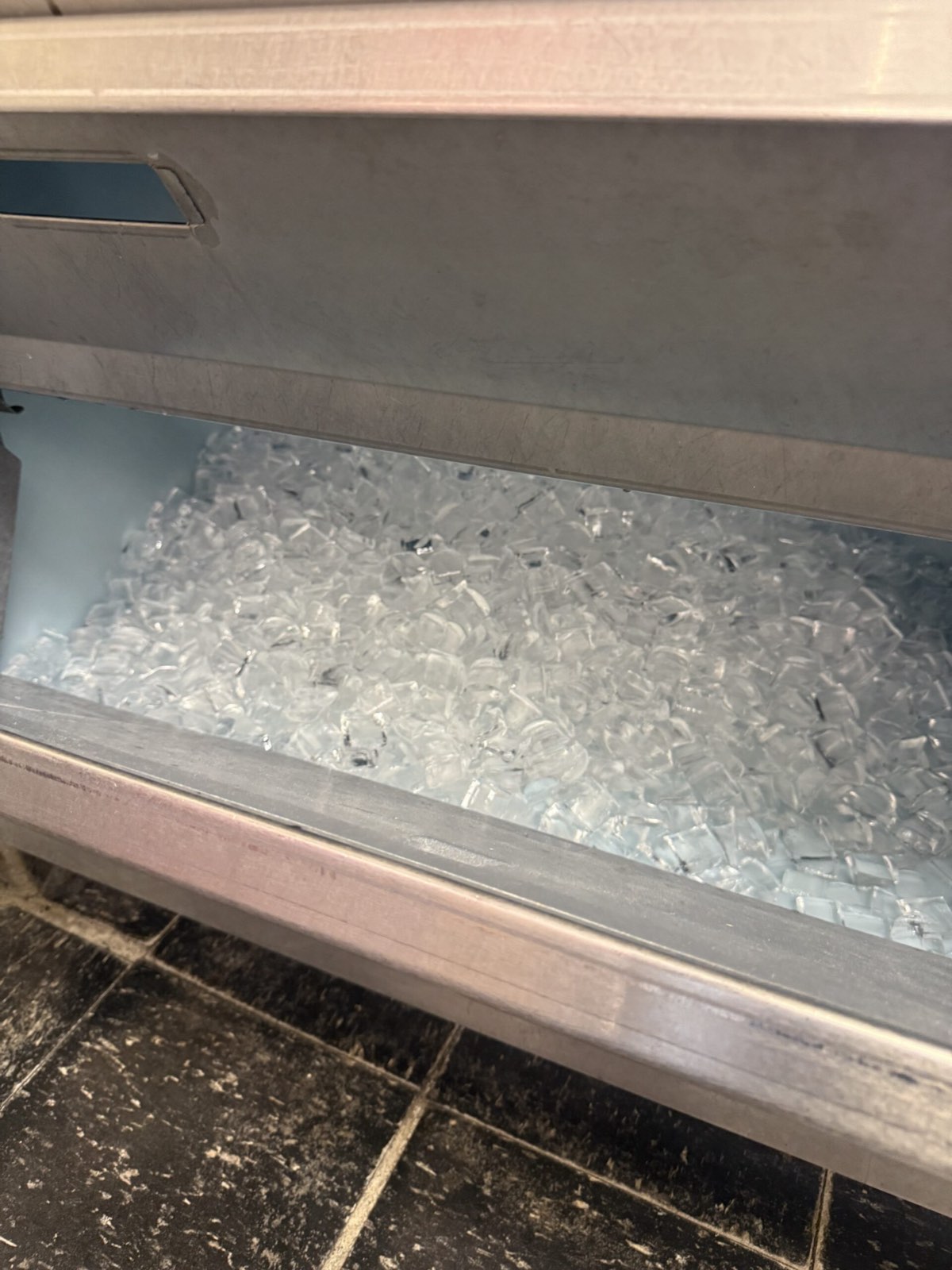
New Bedford and Rhode Island hospitality venues demand strict sanitation. Ice quality affects every guest experience. If you’re unsure how to clean a commercial ice machine properly, the risks are real. Improper maintenance leads to stubborn scale buildup and dangerous microbial growth. Cleaning dissolves minerals but doesn’t kill slime. You must sanitize after every deep clean. This dual process prevents contamination. When DIY efforts fail or scale persists, professional service is necessary to restore safe operations.
How to Clean a Commercial Ice Machine: The Descaling Process
Descaling is a chemical process, not just scrubbing. The cleaner contains citric and phosphoric acid. These acids break down solid lime scale into calcium that dissolves in water. This allows the mineral deposits to flush out of the system completely.
It is crucial to understand what this step does not do. Cleaning dissolves minerals but leaves microbial growth, mold, or slime behind. You must always sanitize after cleaning. Never mix the cleaner and sanitizer together. They are separate steps for different problems.
Do not use acid cleaners on a weekly schedule. Manitowoc guidelines state you should only clean when visible lime scale appears on the evaporator. Over-cleaning wastes money and can damage components. Check your machine before deciding to run the cycle.
If you are learning how to clean a commercial ice machine, follow the manual’s dosage instructions. For heavily scaled auger-style units, the solution may need to sit for hours. This ensures the acid penetrates thick buildup. Proper descaling keeps production efficient and safe.
Sanitizing and Removing Detachable Parts
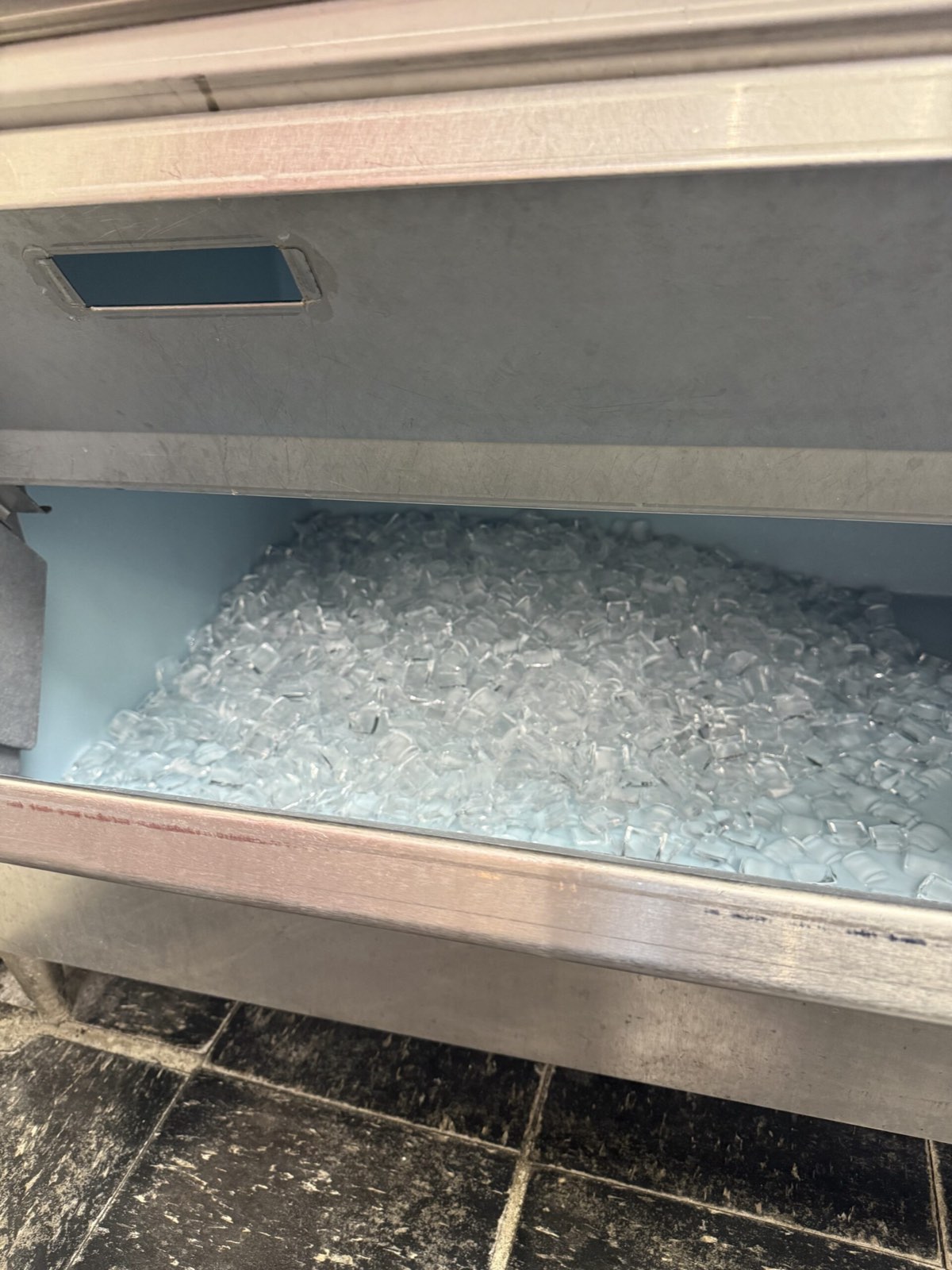
Now you need to sanitize. Cleaning removes mineral scale, but it doesn’t kill bacteria or mold. You must always sanitize after every cleaning cycle to meet food safety standards and protect your ice quality. Don’t skip this step.
First, check your equipment manual for specific instructions on how to remove detachable parts. Most units allow you to take off the water distribution tubes and bins. Soak these plastic components in a fresh sanitizing solution. For example, Manitowoc’s service literature recommends mixing two ounces of sanitizer with three gallons of water. Let the parts sit for at least one minute.
Be careful with timing. While sanitizers work quickly, cleaning services are different. Follett warns that soaking parts in their cleaner for more than 45 minutes can cause pitting on plastic surfaces. Always follow the manufacturer’s directions. Never mix cleaner and sanitizer together. Once sanitized, rinse only if required by your specific chemical label.
Maintenance Schedules and Environmental Factors
Your maintenance schedule depends heavily on your kitchen environment. Most manufacturers recommend cleaning and sanitizing every six months. However, flake, chiplet, and nugget ice machines face different demands. Manitowoc’s service literature suggests a preventative cleaning every thirty days for these units. This keeps up with their higher production rates.
Location matters just as much as the machine type. If you run a bakery or work near high airborne yeast, you need more frequent sanitation. Standard water filters strip chlorine from the supply. This removes your primary defense against biological contamination. Without that protection, yeast can thrive in the system faster than usual.
You can extend the time between deep cleanings with proper setup. Cube ice machines drain a portion of sump water every cycle. This water purge reduces hard water scale buildup significantly. An effective purge cycle means less mineral accumulation. Less scale means your machine stays cleaner longer, protecting your investment and food safety standards.
When DIY Cleaning Fails: Signs You Need Repair
Sometimes DIY cleaning hits a wall. Heavy scaling can jam auger-style machines so badly that speed sensors shut down the cycle mid-clean. When this happens, you can’t just rinse and go. The manufacturer’s service literature requires leaving the cleaner solution standing in the evaporator for at least four hours before attempting a standard clean.
If your machine still acts up after that soak, stop guessing. Persistent issues often point to failed components or deep-seated mineral damage that needs professional commercial ice machine repair. We provide reliable service and genuine parts across New Bedford, Brockton, Fall River, and Marion. Don’t let a broken icemaker kill your service speed. Call us at 508-521-9477 if the scale won’t budge.
What Our Techs Check First (From the Field)
Before we even open the panel, we look at the basics. Old water filters are a major contamination risk. Scotsman’s maintenance guidelines say to change them every six months. They strip chlorine from your supply, which invites microbial growth if you’re near yeast sources like a bakery.
Next, we inspect the evaporator. Is it covered in hard scale or soft slime? Manitowoc specifies that cleaner is only needed for visible lime buildup. If it’s just slime, sanitizing is enough. Don’t waste chemicals on routine cleaning if the machine isn’t scaled.
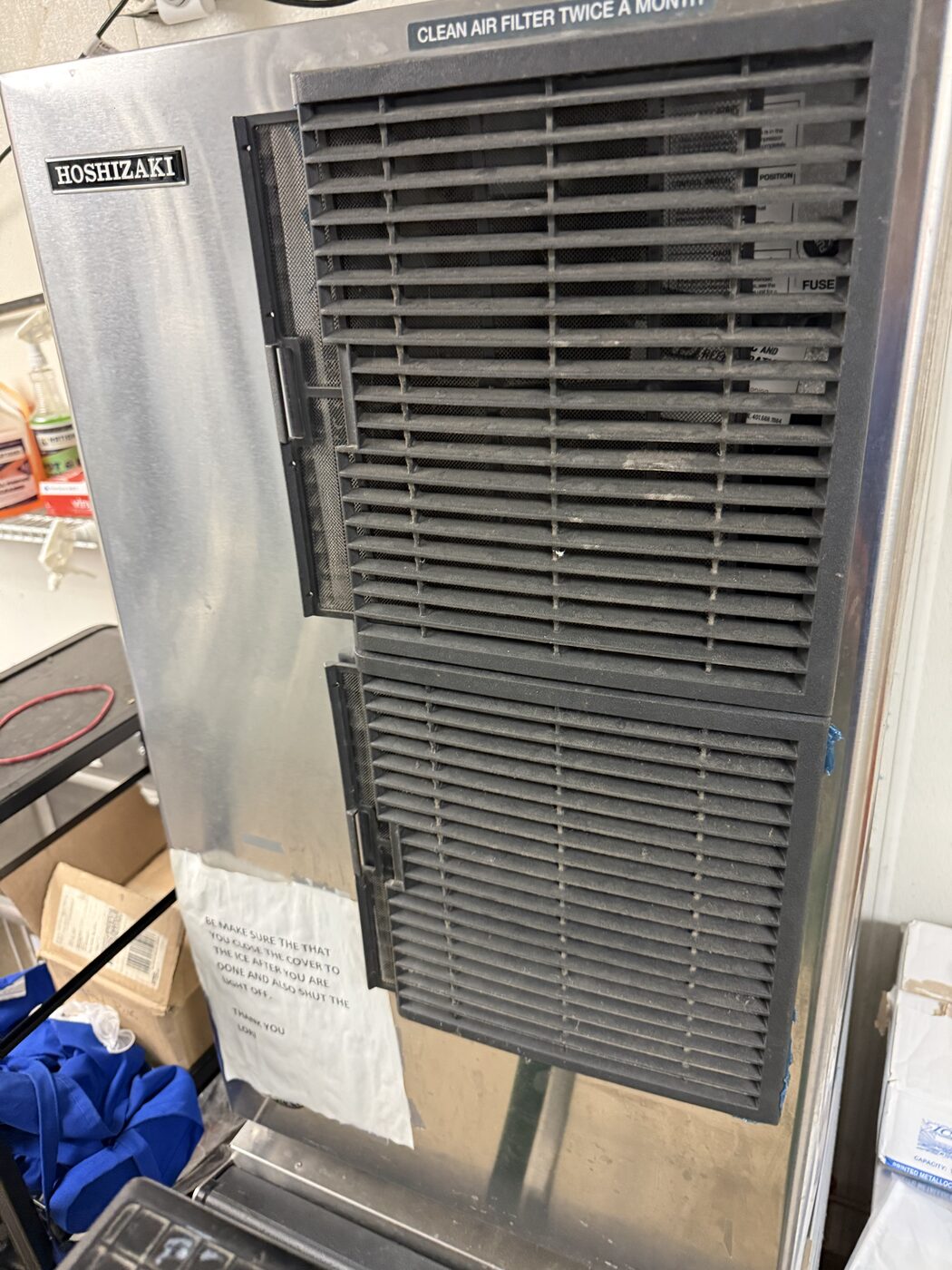
We also verify the purge function. Cube machines drain some sump water each cycle to reduce scale. A working purge extends the time between deep cleanings. Finally, we check air filters and condenser coils. Scotsman recommends cleaning these every six months alongside scale removal to keep the unit running efficiently.
Frequently Asked Questions
How often should I clean my ice machine?
Generally, every six months works for most units. However, if you run flake or nugget machines, Manitowoc recommends sanitizing every thirty days. Bakeries face higher yeast risks, so more frequent care is necessary. Always follow your specific manufacturer’s manual to stay compliant and keep ice production safe.
Can I use household cleaners?
Absolutely not. Household products can damage sensitive parts and fail food safety standards. You must use an approved commercial cleaner and sanitizer. These chemicals dissolve mineral scale without harming the evaporator. Using the wrong solution voids warranties and risks contamination. Stick to NSF-listed products designed specifically for ice equipment maintenance.
What if my machine stops during cleaning?
Heavy scale buildup often triggers a sensor shutdown mid-cycle. If this happens, do not force it. Let the cleaning solution sit in the evaporator for at least four hours to dissolve the deposits. Then retry the cycle. If the unit still fails to run, call us for a repair diagnosis immediately.
Related Services
- Ice Machine Repair in Brockton, MA
- Ice Machine Repair in Fall River, MA
- Ice Machine Repair in Marion, MA
Sources We Work From
The standards and manufacturer service requirements behind this page:
- Ice-O-Matic ICE Series Installation Manual (11-2016)
- Manitowoc Parts & Service Communicator MII-106, “Ice Machine Cleaner and Sanitizer Usage”
- Manitowoc Service Communicator SC146-03, Cleaning Heavily Scaled Flake/Chiplet/Nugget Ice Machines
- Manitowoc Preventative Maintenance Bulletin MII_SB_0033, Indigo NXT Detailed Descaling and Sanitizing Procedures
- Scotsman Prodigy Series Modular Cuber Technical Service Manual (January 2015)
- Scotsman Prodigy Cubers Preventive Maintenance aid, form 291-835
For the rules and standards behind this work, see the FDA Food Code and ENERGY STAR commercial food service guidelines from the federal agencies that govern commercial refrigeration.
How we write these: every procedure, temperature and interval on this page is taken from manufacturer service literature or federal food and refrigerant code, listed in Sources above, and reviewed by our own technicians against what we see in the field. We revise the page when a standard or a manufacturer procedure changes.