If you run a kitchen here in New Bedford or across the water in Rhode Island, you know downtime kills profits. So, how much does a walk in cooler cost? The price swings wildly based on size and insulation specs. Federal standards demand at least R-25 wall insulation to keep energy bills down. We’ve seen this daily for over fifteen years serving Southeastern MA and RI.
You also need to meet FDA Food Code requirements, which mandate holding temps at 41°F or below. That means your unit needs serious cooling power, not just a box with a door. Getting the specs right upfront saves you from costly retrofits later.
Understanding How Much Does a Walk In Cooler Cost
Before we talk numbers, let’s get the definitions straight. Under federal law, a walk-in cooler keeps temps above 32°F. A freezer runs at or below that mark. This distinction matters because it changes your entire budget.
When you ask how much does a walk in cooler cost, you aren’t just buying walls. You’re paying for the whole refrigeration system. That includes the compressor, evaporator coils, and the labor to hook it up. The unit price is only part of the picture.
Federal energy standards drive those costs up, but they save you money later. Regulations like 10 CFR 431.306 mandate specific insulation levels. Your cooler walls need at least R-25 insulation. Freezers require thicker R-32 panels to hold heat out.
This is why a walk in freezer cost usually runs higher than a cooler. The insulation must be denser, and the refrigeration system works harder. You also need compliant fan motors and efficient lighting per federal code. Skipping these specs invites fines and high electric bills.
We see this every day here at Armus Refrigeration on 88 Mill St in New Bedford. Proper insulation isn’t optional. It’s the law. And it keeps your food safe while keeping your utility bills from spiraling out of control.
Installation Factors That Impact Your Final Price
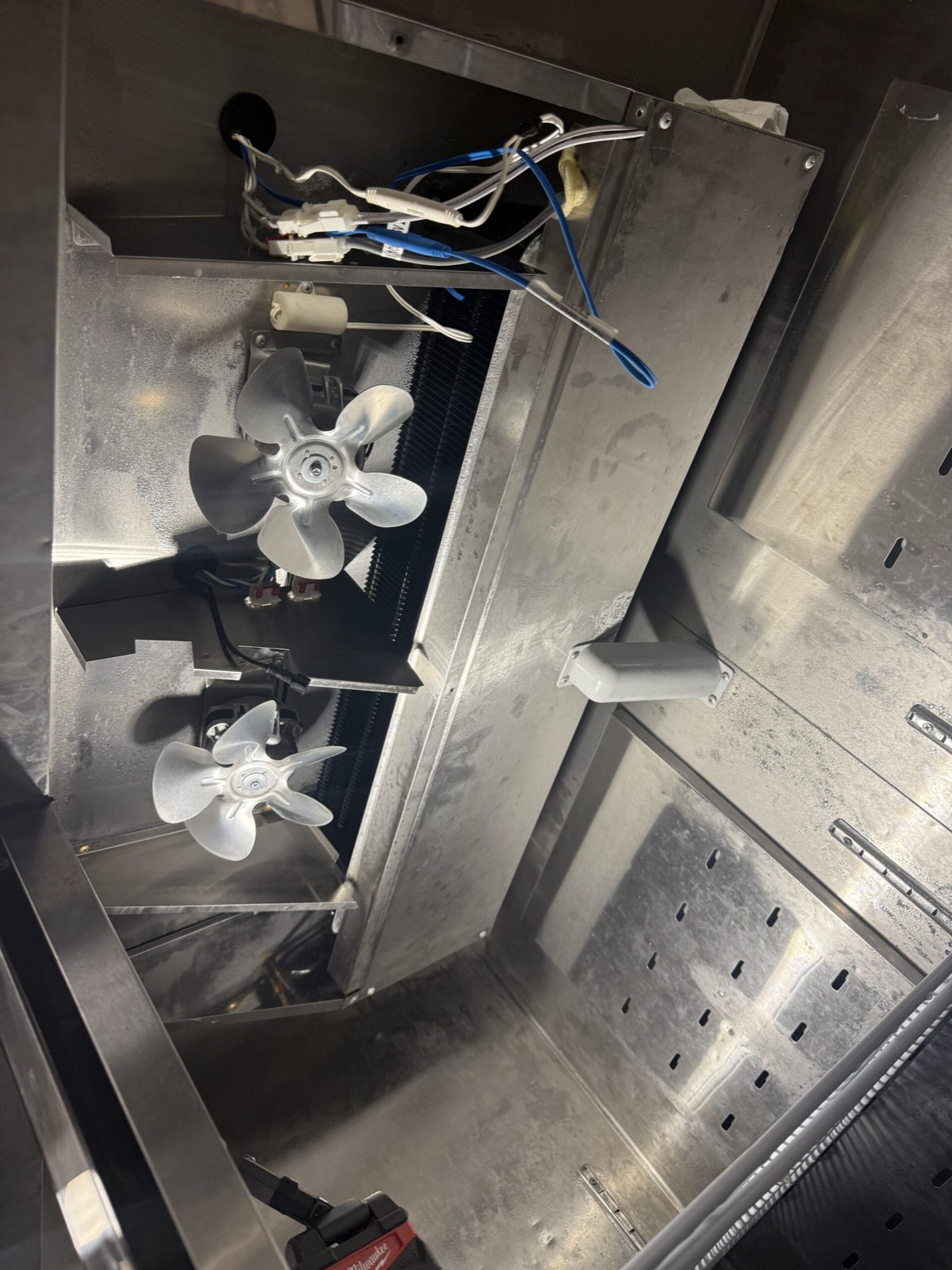
The installation process often adds more to your bill than the unit itself. You can’t just drop panels on any surface. The floor needs serious prep work first. For freezers, you must install thermal breaks. This isolates the cold interior from the exterior concrete. It stops heat transfer and saves energy.
Sealing is just as critical. Kolpak’s manual specifies a continuous 3/8 inch bead of non-drying butyl sealant around the entire perimeter. This maintains the vapor barrier. If that seal fails, moisture gets in. That leads to ice buildup inside the walls. It ruins your insulation value and spikes your electric bill.
Electrical work matters too, especially here on the coast. Our humidity plays havoc with doors. You need anti-condensate heaters on all door sections and thresholds. These run around the perimeter to stop frost. If you see condensation near the jamb, that heater is likely dead. It’s a simple fix but costly if ignored.
Federal standards under 10 CFR 431.306 dictate insulation levels. Coolers need at least R-25. Freezers require R-32 for walls and ceilings. The system must meet these codes to run efficiently. We check every connection before we leave. A proper install prevents callbacks. It keeps your food safe and your costs predictable.
Energy Efficiency and Long-Term Operational Costs
Upfront price matters, but operating costs run your business. Modern units must meet 10 CFR 431.306 energy standards. Medium temperature coolers need a Minimum Annual Walk-in Energy Factor of 9.00 Btu/W-h. Low temp units require 4.15 Btu/W-h. These rules force higher efficiency. You pay less for electricity every month. That savings adds up fast.
Refrigerant laws are changing too. The EPA AIM Act pushes lower GWP options. If your system holds 1,500 pounds or more of HFC, you need automatic leak detection. This applies to systems installed after January 2017. You must have it running by January 2027. Ignoring this risks heavy fines. It also wastes money on lost refrigerant.
Future-proofing is smart business. New rules restrict high-GWP refrigerants in retail food sectors. Stand-alone units now face strict limits. Choosing a compliant system today avoids costly retrofits later. You want equipment that stays legal and efficient for years. Don’t buy obsolete tech just to save cash upfront.
Regular maintenance keeps those savings real. A quick check can spot issues before they spike your bill. We offer reliable walk in cooler service across the South Coast. Our team understands local codes and commercial needs. Proper care extends equipment life. It also stabilizes your monthly energy costs. Keep your investment working hard.
Maintenance and Compliance in Southeastern MA & RI
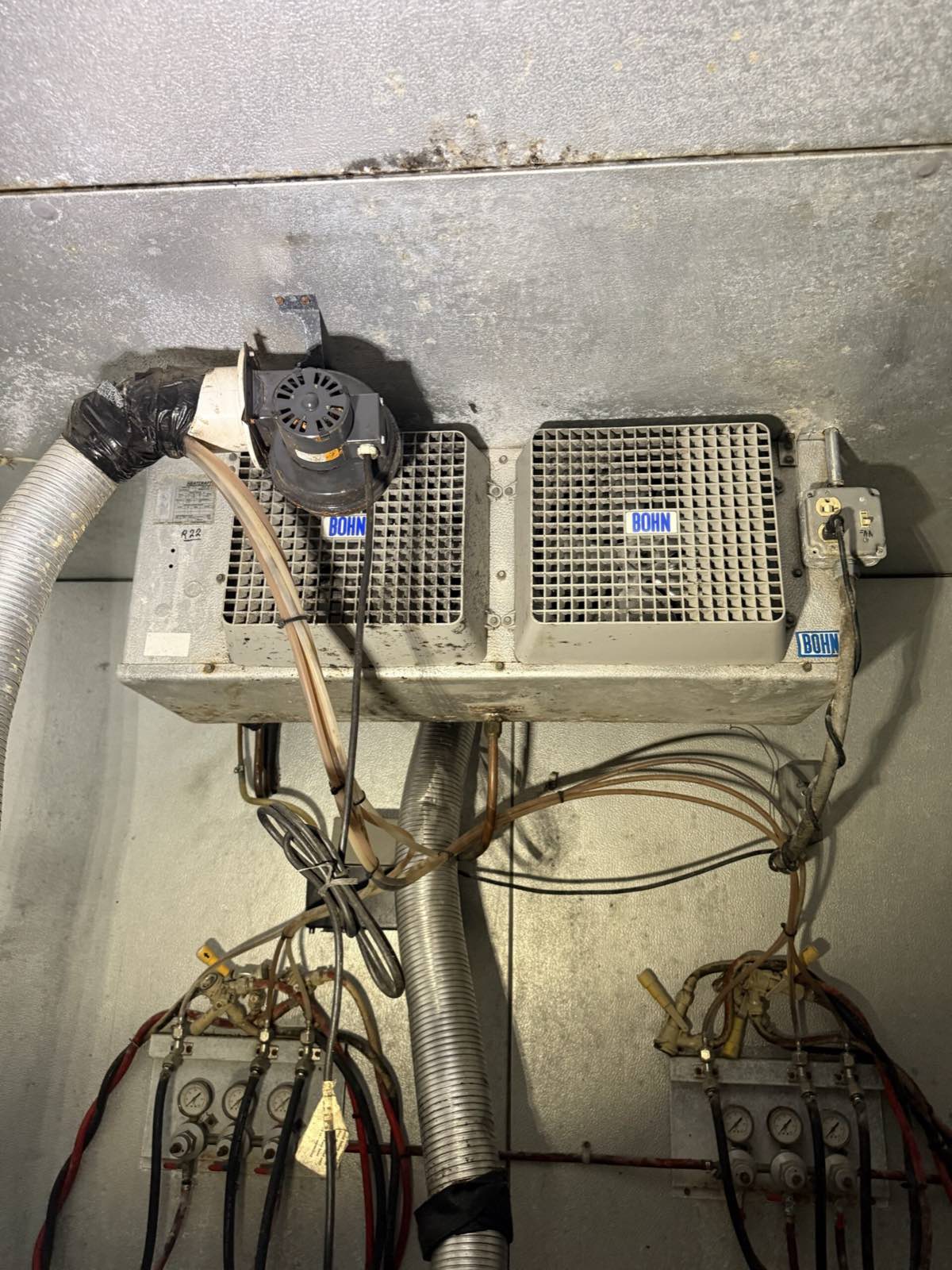
Skip maintenance and you pay more later. A broken compressor ruins inventory fast. Regular walk in cooler service keeps your refrigeration system running efficiently. It prevents small leaks from becoming major failures. You save money on energy bills too. We see it every day in New Bedford kitchens.
Health inspectors check temperatures closely. The FDA Food Code requires cold holding at 41°F or below for safety foods. That is why we set units in the mid-thirties. It provides a safe buffer zone. Inspectors also look at drainage systems. Direct connections to sewage are prohibited by code. You need indirect waste drains with air gaps for condensate lines.
Proactive care extends unit life significantly. Do not wait until the alarm sounds. Schedule service now while everything works. It is not free, but it pays for itself. Preventative checks catch issues before they ship your food to the dumpster. We handle compliance and repairs across Southeastern MA and RI.
Keep your doors sealed and coils clean. This simple habit reduces strain on the compressor. Call us if temps drift upward. We fix problems fast so you can focus on cooking. Your reputation depends on safe, cold storage every single day.
What Our Techs Check First (From the Field)
When we arrive at your New Bedford location, we don’t just guess. We follow a strict diagnostic checklist to protect your investment. First, we verify evaporator superheat. For systems with a 10°F temperature difference, Heatcraft specs call for 6°F to 10°F of superheat. This keeps the unit running efficiently without wasting energy.
Next, we inspect door perimeter heaters. If you see frost on the jambs or condensation near the threshold, that heater has likely failed. Kolpak manuals note this is a common sign of inoperable heating elements. We fix it before ice builds up and seals your doors shut.
We also check condensate drains for proper air gaps. The FDA Food Code 2022 strictly prohibits direct connections to sewage systems. This prevents backflow into your coolers. Finally, if your system holds over 1,500 lbs of HFCs, we test the automatic leak detection. EPA regulations require this safety net to be active and functioning.
Frequently Asked Questions
Does installation include floor prep?
We handle the structural setup, but you need to know about moisture control. Kolpak manuals require a continuous bead of non-drying butyl sealant around the entire perimeter. This maintains the vapor barrier. For freezers, we also install thermal breaks in the concrete. These steps isolate the interior cold from the exterior floor.
How do energy standards affect my bill?
Federal rules under 10 CFR 431.306 drive efficiency. Your unit must meet specific Energy Factor ratings, like 9.00 Btu/W-h for medium temps. Motors must be electronically commutated or three-phase. Meeting these specs lowers your monthly energy costs significantly. We ensure every component complies so you aren’t paying for wasted power.
What is the lifespan of a walk-in?
A well-maintained unit lasts years, but neglect kills it. The FDA Food Code requires food storage at least six inches off the floor to prevent contamination. Keeping drains pitched correctly and traps warm prevents freezing issues. Regular maintenance extends life far more than just buying expensive parts initially.
Related Services
- Walk-In Cooler Repair in Sandwich, MA
- Walk-In Cooler Repair in New Bedford, MA
- Walk-In Cooler Repair in MA & RI
Sources We Work From
The standards and manufacturer service requirements behind this page:
- 42 U.S.C. 6311(20), Definitions
- 10 CFR 431.306, Energy conservation standards for walk-in coolers and walk-in freezers
- FDA Food Code, section 3-501.16
- Heatcraft Unit Coolers Installation and Operations Manual (H-IM-UC)
- Kolpak Walk-In Installation & Operation Manual
- Cornell LII — 40 CFR 82.152 Definitions
For the rules and standards behind this work, see the FDA Food Code and ENERGY STAR commercial food service guidelines from the federal agencies that govern commercial refrigeration.
How we write these: every procedure, temperature and interval on this page is taken from manufacturer service literature or federal food and refrigerant code, listed in Sources above, and reviewed by our own technicians against what we see in the field. We revise the page when a standard or a manufacturer procedure changes.