Walk-In Freezer Repair New Bedford MA: Getting Your Cold Chain Back Online Fast
Your walk-in freezer stopped cooling at 6 AM. The dinner service is in four hours and you’re staring at spoiled inventory on the floor. We’ve been there. Call us at 508-521-9477—we’ll get a tech rolling toward your kitchen fast.
Why When Your Walk-In Freezer Goes Down, Every Minute Costs You Money
For more on refrigerant handling regulations, see EPA Section 608 certification.
Let’s be straight: this isn’t about equipment failure; it’s about lost revenue. If you run a market or a busy restaurant in New Bedford, you know the stakes. A walk-in freezer holding seafood, proteins, or specialty goods? That’s your safety net. When that cooling fails, things spoil fast.
We aren’t talking theory here. We’re talking about temperature creep. Bacteria multiply exponentially when temperatures climb even a few degrees above safe storage limits. The cost of the lost product—the spoiled inventory alone—can easily put you thousands in the hole before you even factor in the closure time or emergency labor costs to fix things.
When your cold chain breaks, time is the only thing that matters. That’s why we keep our techs local and ready to roll out across New Bedford and the surrounding South Coast areas. We answer when others are asleep because frankly, nobody wants to deal with a full day of lost product.
The Breakdown: What Actually Causes Freezer Failure?
For more on AIM Act phase-down, see EPA SNAP-listed refrigerants.
Don’t call us thinking it’s just a “broken freezer.” It could be the compressor failing, or it could be something simpler like a blocked drain line causing excess frost buildup in the evaporator coil. We need to know what we’re looking at when you call.
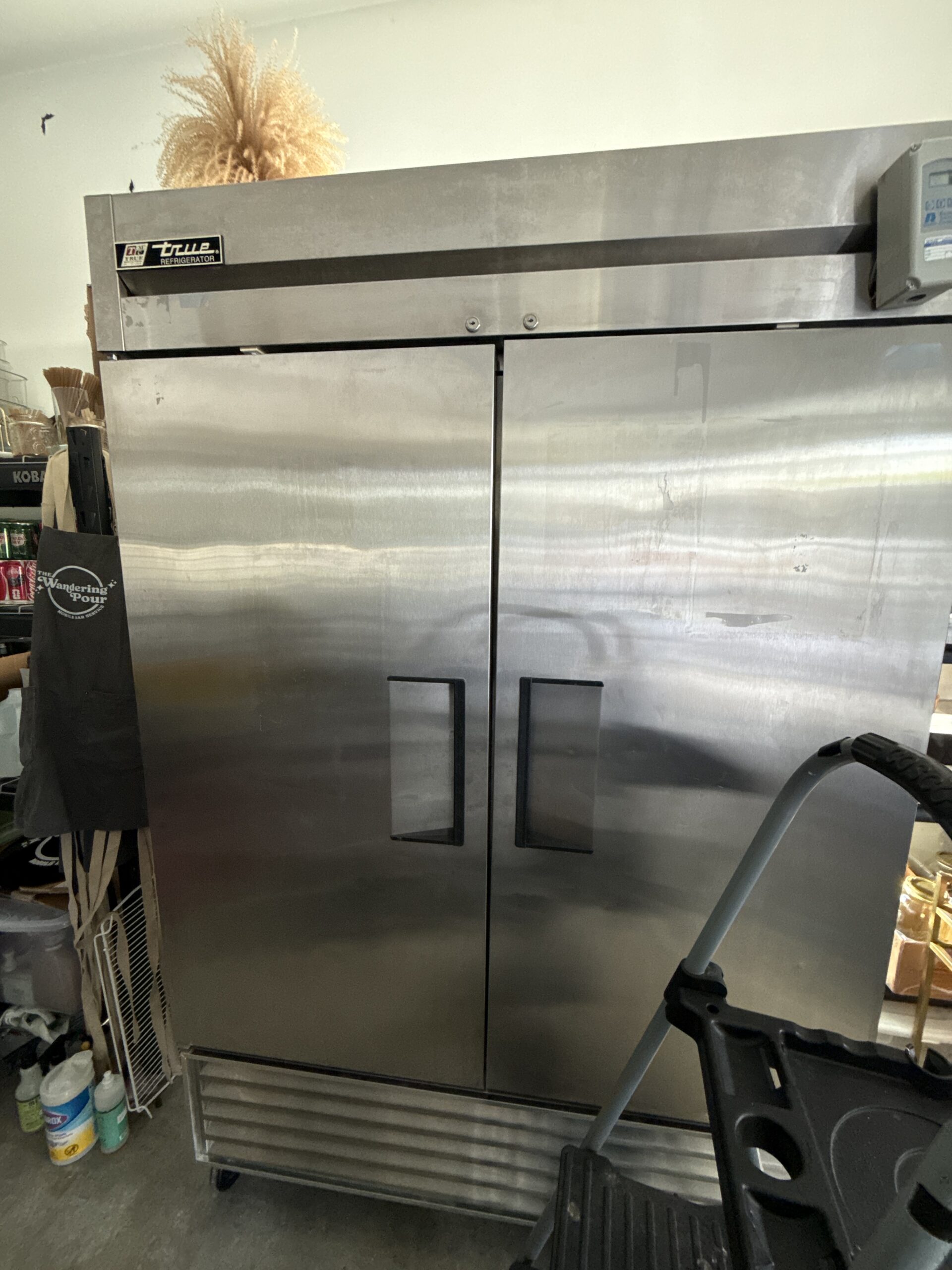
We deal with everything from True and Manitowoc units to older Hoshizaki models—the brands pop up all over Southeastern MA. When we arrive, we check the basics first: refrigerant levels, compressor amperage draw, condenser cleanliness, and the defrost cycle timing. It’s methodical work.
Sometimes the issue is electronic control board failure; other times, it’s a simple service item like needing a new fan motor or cleaning out gunk from the expansion valve. We don’t guess. We diagnose based on 15-plus years of hands-on time seeing every possible breakdown across these local kitchens.
Walk-In Freezer Repair vs. Replacement: Knowing When to Call It Quits
This is where a lot of the fluff companies get it wrong, and frankly, where I’ve had to stop them. You call us when something breaks, but you need an honest assessment on whether we should spend time and cash fixing it versus recommending a replacement.
If your unit is pushing 18 or 20 years, and the core components—the compressor, the main electrical contactors—are showing signs of age, swapping out every part might just buy you six months until the next thing blows. We look at the component life cycle. Sometimes, the math says a brand new, efficient walk-in freezer is going to save you more money in operating costs and downtime than patching up an old beast.
We’ll run through the numbers with you: repair cost vs. energy efficiency gains of a new unit. That’s straight talk, no sales pitch nonsense. We want your operation running reliably for the next decade, not just until the end of this month.
Our Emergency Response in New Bedford and South Coast Towns
For more on Massachusetts compliance, see EPA Section 608 refrigerant rules.
When I was pulling up to a diner on Route 6 last week—I think it was near Dartmouth or maybe Fall River proper—the walk-in freezer for their daily prep meats had completely overheated. The owner was stressed out, dealing with the morning rush while we were diagnosing the cooling issue.
We know this patch of Massachusetts and Rhode Island inside and out. If you’re over on Cape Cod, we plan for that—we can usually get a tech there within two hours under normal traffic. If you’re in Mattapoisett or heading down toward Providence, we factor that into the ETA. We aren’t guessing our travel time; we know the backroads and the rush hour choke points.
Because we are local—we live and work here—our emergency response is built around getting a licensed, insured tech to you fast. When it’s down, you need someone who knows where you are, not some company calling from three states over.
Common Problems We Tackle: Beyond the Basics
It’s not always the main compressor unit that’s failing; sometimes it’s a peripheral part. You might have an issue with your glass-door merchandiser—the temperature is fluctuating, or the motor sounds rough. Or maybe it’s the ice machine in the back walk-in freezer itself.
We service all the major components: cleaning condenser coils (which are magnets for dust and debris), checking refrigerant pressure across the capillary tube, diagnosing faulty defrost timers, and servicing everything from Beverage-Air units to commercial prep tables. If it cools things, we look at it.
Last month, a small seafood place near New Bedford had an issue where their freezer wouldn’t maintain proper vacuum seal integrity on the door gaskets—a cheap fix, but one that let in enough ambient heat over time to ruin a whole day’s catch. It proves sometimes the smallest thing is what costs you the most.
Keeping Your Walk-In Freezer Running Right Here in New Bedford
Walk-in freezer down at 6 AM on a Saturday? You know the panic. Whether you’re running a seafood market near Point Concord or handling inventory for a busy restaurant downtown, losing that deep freeze capacity means throwing money away fast. When your walk-in freezer isn’t holding steady, it’s not just an inconvenience; it’s costing you product.
We’ve been wrestling with these units—the True models, the older Manitowoc beasts—all over New Bedford for years now. I remember pulling up to a small butcher shop near the waterfront last fall. Their evaporator coil was caked solid with grease and grime from months of neglect. A quick clean, a check on the condenser airflow, and it started spitting cold air again. That’s what we do: hands-on fixes for real kitchens.
If you’re facing an emergency situation in New Bedford, don’t waste time calling around trying to find someone who actually knows how these things work under pressure. Call us at 508-521-9477. We’re local, we know the layout of this city, and we get techs rolling out fast.
Our Routine: Keeping Your Commercial Gear Running Smoothly
A lot of owners think they only call when something breaks. That’s a mistake. The smarter money stays in your pocket if you catch things before they fail. We don’t just wait for the alarm to go off; we do preventative service.
When we come out for scheduled maintenance on a walk-in cooler or prep table, we aren’t just wiping down coils—we’re checking refrigerant pressure across the board. We inspect the defrost cycle timers, check the integrity of the door seals (a cracked gasket is a huge energy drain you can’t see), and blow debris out of the condenser unit. On a big commercial setup downtown, airflow around the compressor bay is critical; if it’s choked up with cardboard or discarded trim, the whole system overheats.
We keep our checklist tight because time is money for you. We look at the components—the compressor’s running amperage, the capillary tube flow rate, the blower motor bearings. It takes an experienced tech to spot a minor pressure drop that’ll become a $3,000 failure in six months. Let us run through our checklist before it turns into an emergency call.
What We Work On: Brands and Equipment Across SE Mass
We’ve seen every flavor of the thing out there across Southeastern Massachusetts—from the newer glass-door merchandisers you see near Downtown Fall River to the heavy-duty walk-in freezers in industrial parts stores off Route 1. If it’s commercial grade, we know how to treat it.
We are pretty comfortable working with the major players: True units for those reliable reach-in coolers, Beverage-Air when you need a solid ice machine setup, and everything from Continental to Hoshizaki walk-in gear. Knowing these brands inside and out means we aren’t guessing; we know what parts fit, what pressures are normal for that model line, and which components fail most often in the local climate.
If you’ve got a mix—maybe an older Traulsen unit next to a brand-new Manitowoc ice machine setup—we can troubleshoot it all under one roof. We stick with what works for your operation, not just what’s easiest for us to service that day.
What a walk in freezer repair new bedford ma service call actually covers
When we arrive on a service call, we work through the system in a fixed order so nothing gets skipped. Refrigerant pressures on both the suction and discharge sides. Amp draw on the compressor at start and during steady-state run. Superheat at the evaporator and sub-cooling at the condenser. Evaporator and condenser coil condition, fan motor amp draw and bearing condition, defrost cycle timing and termination, drain line clearance, door gasket seal and door alignment, controls and contactors. The diagnostic is usually 30 to 60 minutes; the repair time depends on what we find.
For commercial walk-ins above 50 pounds of refrigerant charge in Massachusetts, we also document the visit for the operator’s MassDEP Refrigerant Management Program file. RI commercial food establishments need their temperature logs intact and corrective action documented for RIDOH inspections, and our service tickets fit that record set.
Ready to get walk in freezer repair in New Bedford MA?
- Commercial Refrigeration Repair in New Bedford
- Commercial Refrigerator Repair in New Bedford
- Emergency Refrigeration Repair in New Bedford
- Ice Machine Repair in New Bedford
- new restaurant checklist choosing the right walk in keeping it running
- Reach-In Cooler Repair in New Bedford
- Restaurant Refrigeration Service in New Bedford
- Dartmouth, MA
- Fall River, MA
- Walk-In Cooler Repair in Marion, MA
- Cooler Repair
- Brockton walk-in freezer service
- Walk-In Freezer Repair (all service areas)