Ice Machine Making Soft or Cloudy Ice
An ice machine making soft or cloudy ice is one of the most common service calls we run, and it almost always points to water quality, scale, or a harvest cycle that has drifted out of spec. The problem shows up on every platform we service in Southeastern Massachusetts and Rhode Island, from Hoshizaki cube machines and Manitowoc cubers to Scotsman nugget and flake units in restaurants, bars, and convenience stores. Cloudy ice cubes, small ice cubes, and slushy or hollow ice all share overlapping root causes, so the same machine can throw two or three of these symptoms at once. Armus Refrigeration is EPA-608 certified, available 24/7, and carries a 5.0 Google rating across New Bedford, the South Coast, the Cape, Greater Boston, Worcester, and the entire Providence metro.
What’s likely happening
- Scale buildup in the water path is the number-one cause of cloudy and soft ice; mineral deposits coat the evaporator plate and distributor tubes, trapping air and minerals in the cube so it never freezes clear or hard.
- Poor incoming water quality with no filtration lets dissolved solids, chlorine, and sediment concentrate in the ice; high TDS water freezes white and milky no matter how well the machine runs.
- A failing or stuck water float, water-level sensor, or fill valve over- or under-fills the sump, so the cube freezes too thin, hollow, or slushy because the freeze cycle ends before the cube is fully formed.
- A harvest cycle that is out of adjustment, or a sticking hot-gas (harvest) valve, drops the cubes early and leaves them small, soft, or partially frozen with a wet, cloudy surface.
- Low refrigerant charge or a restricted metering device weakens the freeze, producing undersized cubes, slushy ice, and long cycle times that the operator usually notices as a slow, half-full bin.
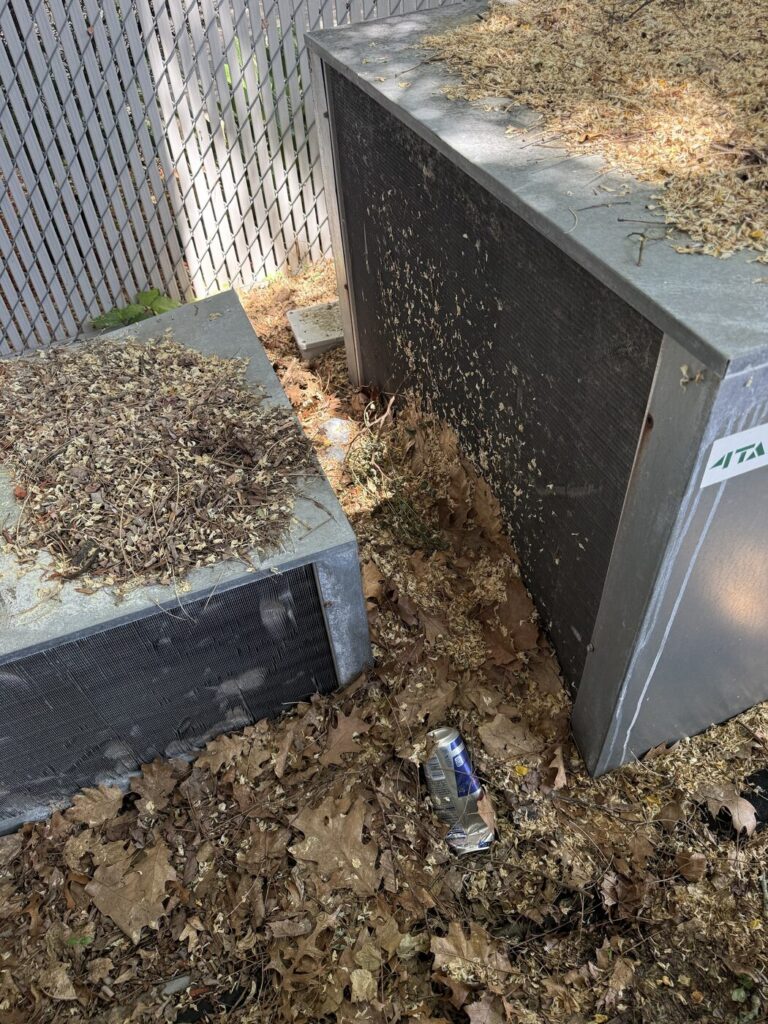
- A dirty condenser or high head pressure raises the freezing temperature window, so the machine cannot pull the cube down hard enough and ice comes out soft and cloudy, especially in hot back-of-house conditions.
- A failed water pump or clogged spray nozzles on cube machines leave dead spots on the evaporator, so cubes form unevenly with hollow centers and a cloudy, layered appearance.
What Armus checks & fixes
- We run a full delime and descale of the water path using nickel-safe ice machine cleaner, flushing the sump, distributor, spray bar, and evaporator until the plate is bright and the cloudiness clears.
- We inspect and replace the inlet water filter cartridge, and on hard-water accounts in the New Bedford and Providence areas we recommend or install a scale-inhibitor or RO/DI system sized to the machine’s gallons-per-cycle.
- We test the water float, level probe, and inlet solenoid valve, clean or replace any stuck float assembly, and verify the sump fills to the correct level so cubes form full-size instead of thin or hollow.
- We check and re-time the harvest cycle to the manufacturer spec, adjusting cube size and freeze duration so ice releases clear and hard rather than small, soft, or slushy.
- We test the hot-gas harvest valve and thermostatic controls for leak-by; a valve bleeding hot gas during the freeze leaves cloudy, soft cubes and gets rebuilt or replaced.
- We check superheat, subcooling, and head pressure with gauges to rule out low charge or a restricted TXV/cap tube, and recover, repair, and recharge to spec under our EPA-608 certification if the system is undercharged.
- We clean the air-cooled condenser, verify fan operation and ambient airflow, and confirm the water pump and spray nozzles are clear so the evaporator gets even water coverage for clear, full cubes.
Why this happens
Clear, hard ice forms by freezing water slowly across an evaporator plate so dissolved gases and minerals are pushed out of the cube as it grows. When scale builds in the water path, that mineral layer insulates the plate and traps air and solids inside the ice, which is exactly why descaled cubes come out glass-clear and scaled cubes come out white and soft. The same scale narrows distributor tubes and spray nozzles, starving parts of the evaporator and producing hollow or unevenly frozen cubes.
Water quality drives the whole process. Water high in total dissolved solids, hardness, or chlorine concentrates those impurities on every freeze cycle, so even a mechanically perfect machine makes cloudy ice on bad water. A correctly sized filter or scale inhibitor removes sediment and cuts the minerals that both cloud the ice and accelerate scaling, which is why filtration is the most cost-effective fix on hard-water accounts across the South Coast and Rhode Island.
The harvest cycle is a timing relationship between the freeze stage and the hot-gas valve that warms the plate to release the slab. If the float or water level is off, the sump runs low and cubes freeze thin, hollow, or slushy. If the hot-gas valve leaks by or the harvest is mistimed, the machine drops the slab before the cube is fully formed, leaving small, soft, wet ice. Re-timing the cycle and correcting the water level restores full, hard cubes.
Finally, the refrigeration side sets the ceiling on ice quality. A low charge, restricted metering device, dirty condenser, or high head pressure all raise the temperature at which the cube freezes, so the machine cannot pull the ice down hard. The result is undersized, slushy, cloudy ice and long run times, which is why we verify charge, condenser airflow, and pressures before condemning the water side.
Equipment we service
We repair this on every type of commercial refrigeration:
How we fix it — our process
- Confirm the symptom and machine type: we identify whether you have a cube, flake, or nugget machine and document whether the ice is cloudy, soft, small, hollow, or slushy, plus cycle times and bin level.
- Inspect the water side first: we check incoming water pressure, the filter condition, the sump level, the float/level probe, the spray nozzles, and the evaporator for visible scale.
- Delime and descale as needed: we run a nickel-safe cleaning cycle through the full water path and flush thoroughly, then re-test ice clarity on a fresh cycle.
- Check refrigeration performance: we connect gauges to read head pressure, suction, superheat, and subcooling, and inspect the condenser, fan, and hot-gas harvest valve.
- Re-time and adjust: we set cube size and harvest timing to the manufacturer spec, replace any failed float, valve, or pump, and recharge the system to spec under EPA-608 if it is undercharged.
- Verify and advise: we run the machine through full cycles to confirm clear, hard, full-size ice, then recommend a filtration and scheduled-cleaning plan to keep the problem from returning.
Service area
Armus Refrigeration handles ice machine making soft or cloudy ice for restaurants, markets, c-stores, schools, and commercial kitchens across New Bedford, the South Coast, the South Shore, Cape Cod, Greater Boston, and Rhode Island — including:
Frequently asked questions
Why is my ice cloudy or soft?
Why are my ice cubes coming out small?
Does my ice machine need a water filter?
How often should a commercial ice machine be cleaned and descaled?
Can low refrigerant cause slushy or hollow ice?
Do you service my area for ice machine repair?
Brands We Service
We repair and maintain every major commercial refrigeration & ice brand.