Ice Machine Not Making Ice in [Location]: Emergency Repair from Armus Refrigeration
The ice machine stops spitting out cubes right when the lunch rush hits. When your walk-in cooler is running low on ice—for coolers, drink dispensers, or just keeping things cold enough for prep—every minute counts. Call us at 508-521-9477. We’re local and we get tech out there fast.
Why Is My Commercial Ice Machine Suddenly Not Making Ice?
For more on refrigerant handling regulations, see EPA Section 608 certification.
When a restaurant owner calls us up panicking because the ice machine is dead, it’s rarely just one simple thing. It could be anything from a tripped breaker to a clogged line or an actual compressor failure. I’ve seen this problem dozen times over my 15 years working in kitchens across Rhode Island and Southeastern Massachusetts.
You don’t need a textbook diagnosis; you need the machine running. My crew—we’re licensed, insured, and EPA 608 certified—we just know what to check first based on what we usually find at a diner near Route 6 or a market in New Bedford.
We approach it systemically: Is it power? Is the drain line backed up? Is the water inlet pressure okay? Sometimes, the issue is way outside the actual ice-making components. We check everything until we nail down the root cause. Don’t waste time calling a general handyman; call people who live and breathe commercial refrigeration.
The Most Common Ice Machine Failures We See
For more on AIM Act phase-down, see EPA SNAP-listed refrigerants.
When folks think “ice machine failure,” they usually picture the ice maker itself, but often, it’s one of three components that’s throwing the whole thing off track. First up is the basic electrical stuff—a simple breaker trip or a bad connection at the unit’s main power feed.
Then there’s the water side. If the water inlet valve can’t get enough flow, or if the drain line backs up with sediment, the cycle will abort before any ice is even formed. Sometimes it’s scale buildup inside the heat exchanger, which kills efficiency fast.
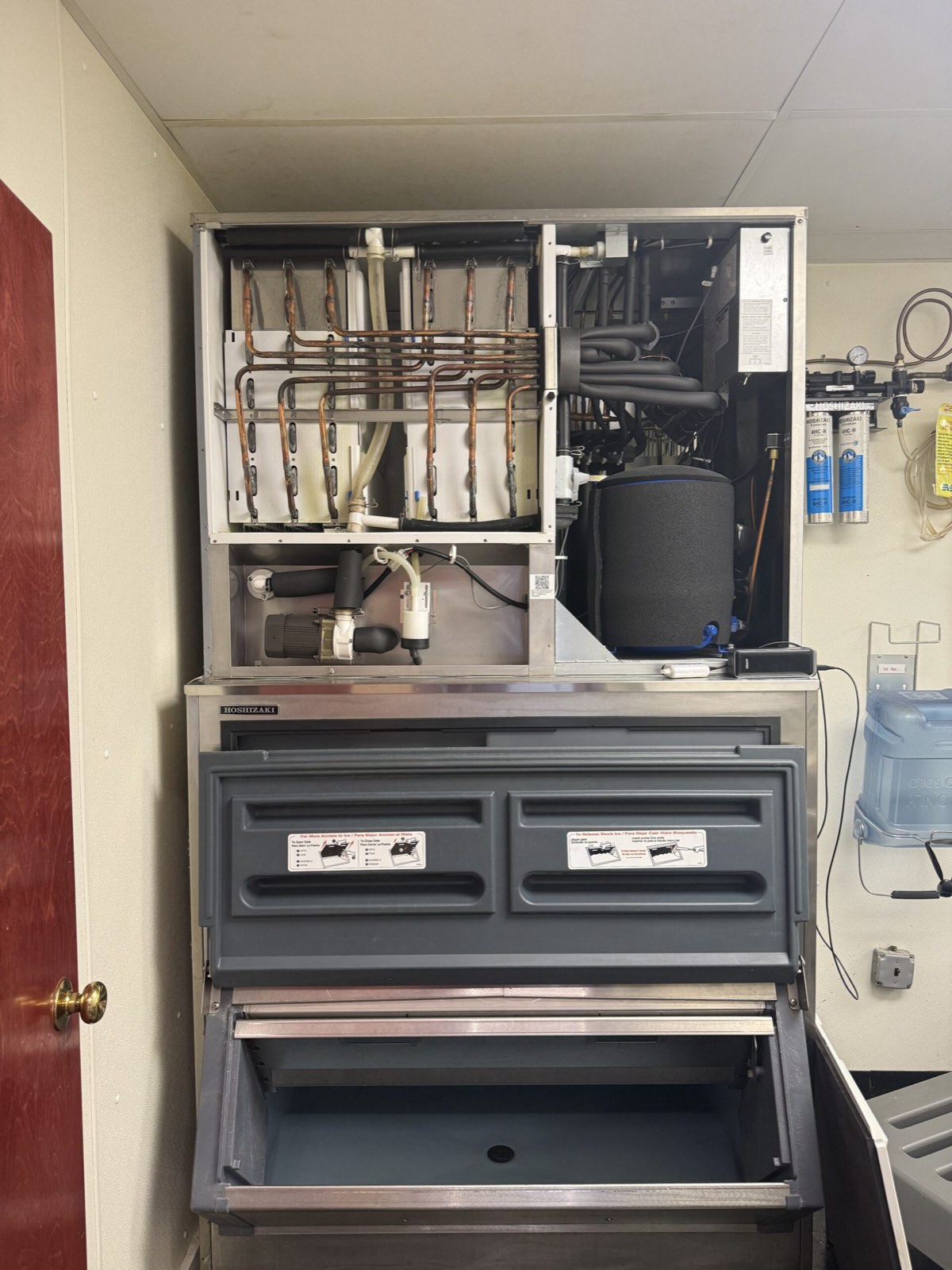
The big one, though, is usually the compressor or the control board. The compressor might be running but not building enough pressure because of issues upstream with the refrigerant lines or maybe a clogged capillary tube. We can read the gauges and tell you exactly where the system’s struggling—whether it’s low refrigerant charge or just electrical starvation.
What to Check Before You Call Us (And What Not To)
Before you call, take a quick look if you can. Open the machine up safely, if that’s what your staff is comfortable with. Does any little error code flash on the display? Write it down. Is there an obvious power switch that looks tripped? Knowing these details helps us cut the diagnostic time in half when we get to the site.
However, I gotta be straight with you: don’t try to open up the refrigerant lines or mess with the electrical components if you aren’t trained. Refrigerants are under pressure, and this stuff isn’t a DIY job. Trying to fix it yourself usually just makes the problem bigger, costing you more time and money when we finally get there.
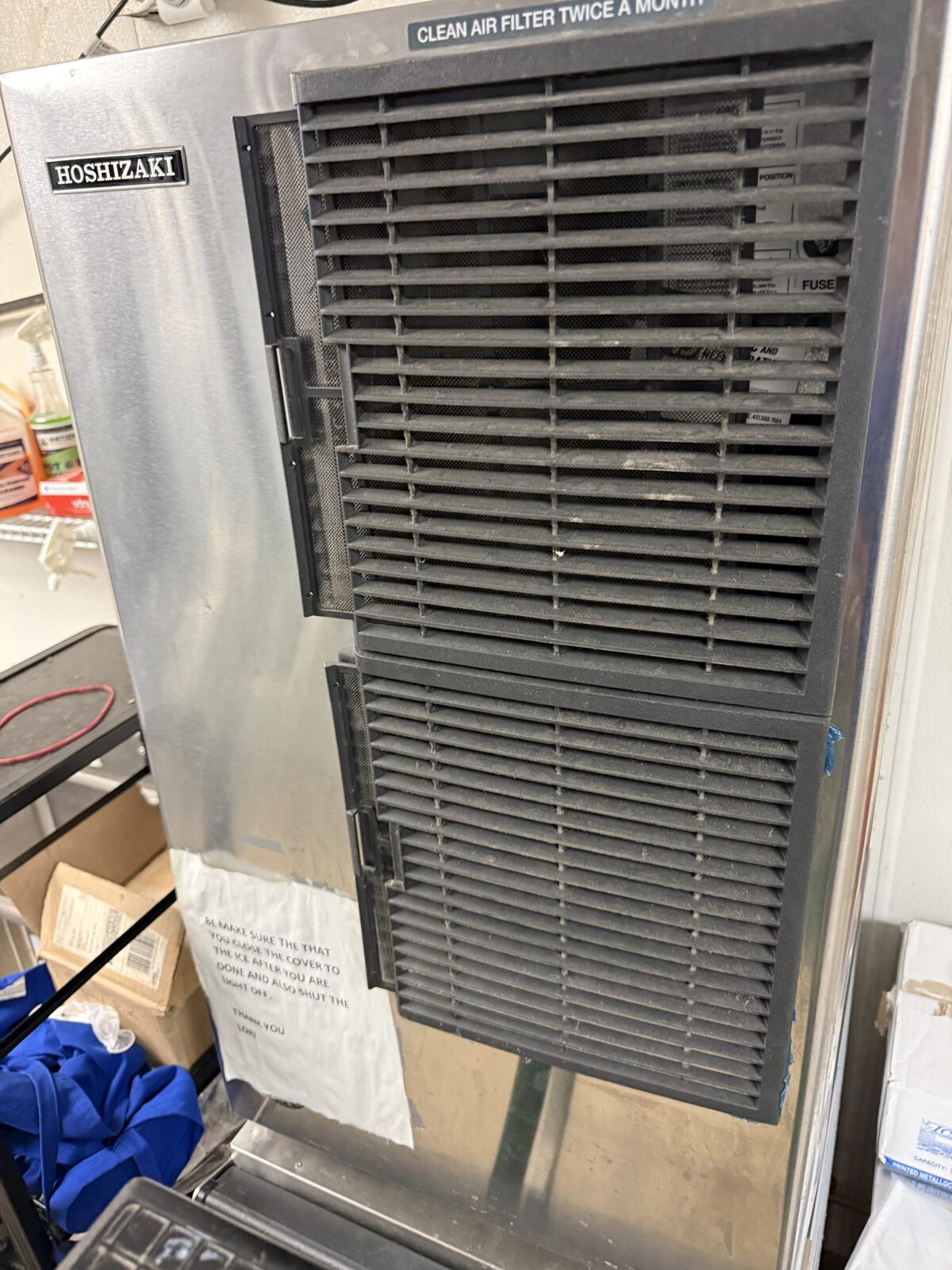
We need clear access to the unit—make sure nothing is piled up against the condenser or anything that might block airflow around the machine housing. The faster we can safely assess the situation, the faster your staff gets back to business.
A Real-World Example: A Dive Spot in Plymouth
For more on Massachusetts compliance, see EPA Section 608 refrigerant rules.
Last month, I was out near a small seafood place down in Plymouth. They were frantic; their high-volume ice machine—a big unit, probably 10+ years old—had completely stopped producing ice overnight. The owner thought it had to be the whole thing.
We got up to it. First, I checked the power draw on the main disconnect. Good. Then, we pulled the service logs and found the low-level error code related to the expansion valve cycling too frequently. It wasn’t a catastrophic failure; it was fouling. After cleaning out some mineral scale buildup from the water filter housing—which was way past its recommended change interval—the machine started up right away. We got them back online, running steady ice production within an hour of arrival. Sometimes, it’s the little stuff that trips people up.
Repair vs. Replace: Making the Call on Your Ice Machine
This is where I need to be honest with you. I don’t want to upsell anything. When we diagnose a unit, whether it’s an ice machine or a walk-in cooler compressor, we always weigh repair against replacement. It’s simple math based on the component life and the age of the main unit.
If your machine is showing signs of wear across multiple systems—the primary circuit board, the condenser fins that are packed with dirt from years of use, *and* a compressor nearing its end cycle—it’s time to talk about swapping it out. Trying to patch up three old components usually just means you’ll be calling us back in 18 months for another major failure.
If the unit is solid and we only need to replace the water inlet screen or recharge a minor leak, that’s where we earn our keep on repairs. We give you the straight word so your budget isn’t wasted chasing temporary fixes.
Service Coverage Across Southeastern MA and RI
We’re spread out across this part of the coast—from Providence down through Fall River, all the way to New Bedford and points further along the South Coast. If you’re near Cape Cod, we know the roads and how long it takes in the off-season versus peak tourist time.
When things go down at a restaurant in Dartmouth or a market in Fall River, you need someone who knows the area and can show up fast. We operate 24/7 because restaurants don’t clock out when their refrigeration dies—and neither do we.
Ice Machine Not Making Ice? It’s Usually Simple—But Time Matters
When the ice machine stops churning out cubes at a diner on Route 6 in New Bedford, you’re not just losing product; you’re slowing down service. We’ve been there. Whether it’s a small reach-in unit emptying out faster than expected or a massive walk-in freezer backup, an ice problem needs immediate attention. Don’t wait until the morning rush to call us out about this—that’s when we get called 24/7.
The issue with an ice machine not making ice can be anything from clogged water filters to a bad defrost cycle control board. Sometimes it’s just a simple blockage in the capillary tube, which is easy enough for a tech to clear out right there on the spot. Other times, if the compressor isn’t kicking on because of low refrigerant pressure or an issue with the expansion valve, we need more time to diagnose it correctly. We don’t guess; we test the pressures and check the electrical components first.
If you’re in Fall River, running a busy seafood spot downtown, and your ice supply drops out during lunchtime, every minute counts. Call us at 508-521-9477. We’ll get a tech rolling toward your kitchen quick—usually same-day, sometimes faster.
Keeping It Running: Our Preventive Maintenance Checklist
You think you’re saving money by skipping the annual service visit? You’re probably costing yourself more down the line in emergency calls and lost revenue. A little routine maintenance now keeps a whole lot of headaches off your plate when Maine weather turns sour or Cape Cod gets slammed with tourists.
When we do a preventative check, especially on commercial walk-in coolers that see heavy use, we aren’t just looking at the door gaskets. We’re getting into the guts: checking the condenser coils for buildup from dust and grease—if those are choked up, your compressor is fighting harder than it needs to, which shortens its life. We also check the defrost cycle timers and test the condensate drains to make sure water isn’t backing up anywhere.
We’ve seen units in Providence that were fine last fall but started acting up this spring because the drain line was just backed up with scale. It’s simple stuff, really. Call us before things break down. We treat your equipment like it’s our own; we know what those machines need to keep running tight through the busy seasons here in Rhode Island and Southeastern MA.
Brands We Work On Day In, Day Out
I’m not going to give you a list of every brand out there—we deal with enough different models just driving around from Dartmouth to Plymouth—but I can tell you what shows up on our service truck more often than others. If you run True equipment or have any Beverage-Air coolers in your market, we know those lines inside and out. We’ve worked with Manitowoc units for years; they’re solid gear, but every brand has its weak points if it gets neglected.
We spend a lot of time on older Continental reach-in units too. They’re reliable when cared for, but if the original components are shot, even swapping out the condenser fan motor isn’t enough. When you call us, we listen to what equipment you have—be it Hoshizaki or something else—and we bring the right parts and know how to approach that specific setup.
Bottom line: whether it’s a glass-door merchandiser in your downtown Fall River shop or a massive walk-in freezer at a restaurant near the North Pond, we’ve seen it all. We handle the brands you use every day.