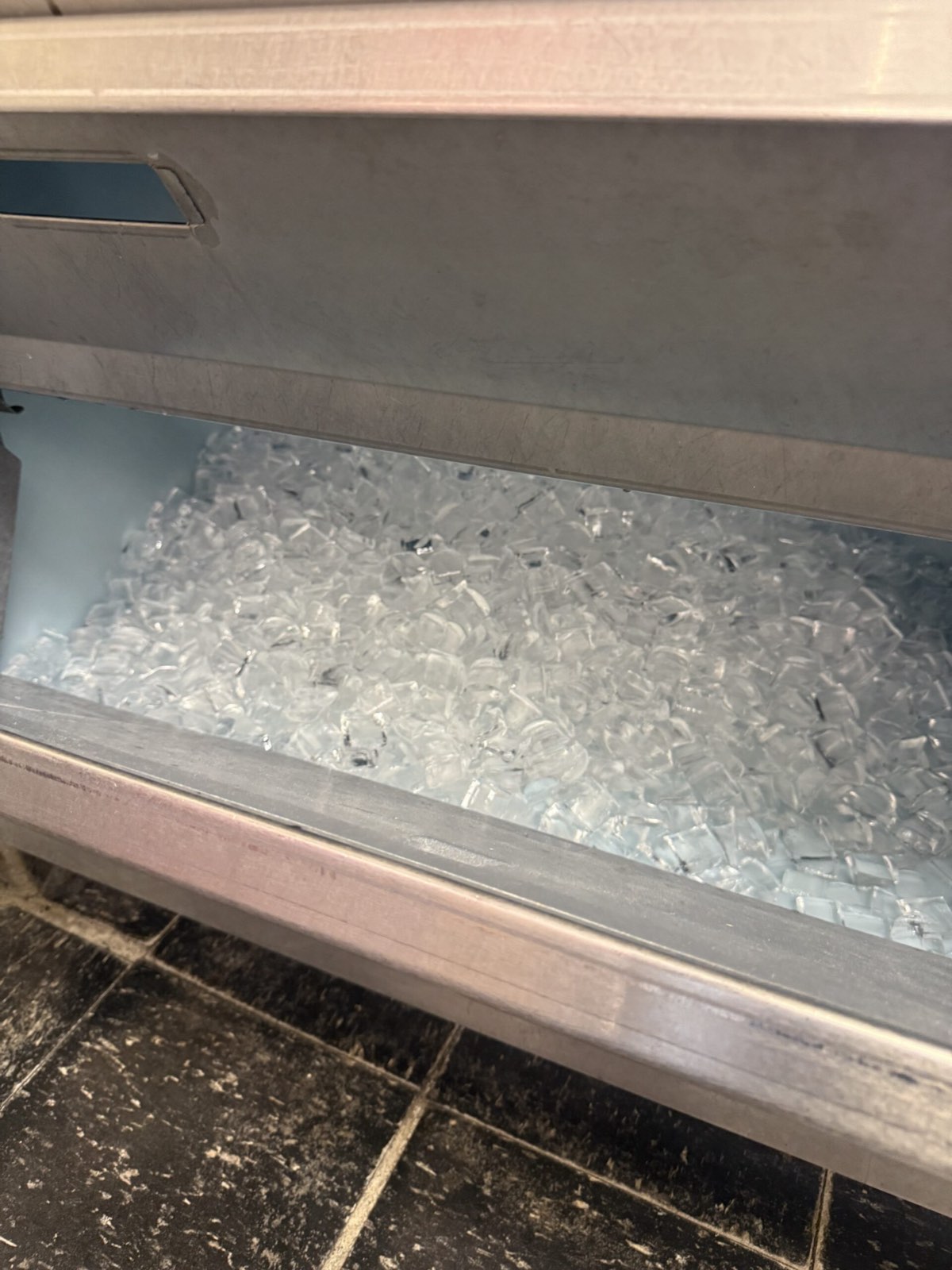
Nothing kills a dinner rush faster than an empty ice bin. You’re losing money every minute that machine sits idle. If you’re searching for how to fix ice machine issues yourself, start here. We’ve serviced commercial kitchens across New Bedford, MA, Southeastern MA, and Rhode Island for over fifteen years. Some problems are simple DIY fixes like cleaning or resetting. Others need professional repair. Let’s sort out what you can handle before calling us at 88 Mill St.
How to Fix Ice Machine: Cleaning vs. Sanitizing Basics
Most owners mix up cleaning and sanitizing. This mistake ruins ice quality fast. Cleaning means descaling. It dissolves mineral scale like calcium buildup on the evaporator. But here is the catch: cleaner does not kill microbes. You must sanitize after every clean cycle to stop microbial growth.
Acid-based cleaners work hard. They break down solid lime into water-soluble forms. However, they have a corrosive nature. Using them too often eats away at plastic parts and seals. Manitowoc warns against cleaning more than every six months. Shorter intervals risk damage to your unit’s internal components.
If you search how to clean a commercial ice machine, you will see many guides. Most miss this distinction. They tell you to scrub, but not to sanitize properly. Always check your manual for specific chemical amounts. Some units need nine ounces of cleaner; others need less. Never guess the dosage.
We’ve seen too many ruined evaporators from over-cleaning. The acid strips protective coatings. Then bacteria take hold because the surface is rough. Stick to the six-month rule unless you see heavy scale. When in doubt, call us at 88 Mill St for a professional inspection.
Step-by-Step: Descaling and Sanitizing Procedures
Start with detached parts. You need to dissolve that stubborn mineral buildup before sanitizing. Manitowoc’s service literature calls for mixing 16 ounces of cleaner with one gallon of potable water. Soak the plastic components for 10 to 15 minutes. This solution contains citric and phosphoric acid, which breaks down lime scale into a soluble form. Remember, cleaning removes deposits but not microbial growth. You must always sanitize after de-liming to meet FDA Food Code standards.
- Mix the descaling solution as specified above.
- Soak parts for 10 to 15 minutes to remove minerals.
- Rinse thoroughly with clean water.
- Prepare a separate sanitizing bath using 2 ounces of sanitizer per 3 gallons of water.
- Soak parts for at least one minute to kill remaining bacteria and slime.
For automated systems like the Manitowoc Indigo NXT, the process differs slightly. The machine runs an automated clean cycle that takes about 30 minutes. You pour chemicals directly between the evaporator and water curtain. However, never guess the amounts. Always check the front-panel label for the exact quantities required by your specific model. Using too little won’t work; using too much can damage components.
If you have an auger-style machine with heavy scaling, standard cleaning might fail. The speed sensor may shut the unit down mid-cycle if the buildup is severe. In these cases, let the cleaner stand in the evaporator for a minimum of 4 hours. This extended soak allows the acid to penetrate deep deposits before you attempt a normal wash. If the scale persists or the machine won’t start, call us at Armus Refrigeration, 88 Mill St, New Bedford, MA — 508-521-9477.
How to Reset Ice Machine and Check Environmental Factors
Resetting and Environmental Checks
Many technicians ask how to reset ice machine controls when production stops. A simple power cycle might clear a temporary glitch, but it rarely fixes underlying mechanical failures. If the unit won’t start after resetting, forcing it usually causes more damage. You need to look at the environment first.
Ambient temperature matters significantly for cooling efficiency. Remote condensers must sit where air stays below 120°F. Higher temperatures reduce ice output until conditions cool down. A dirty condenser or restricted airflow drives head pressure up. This slows production and risks compressor overheating. Keep vents clear and coils clean.
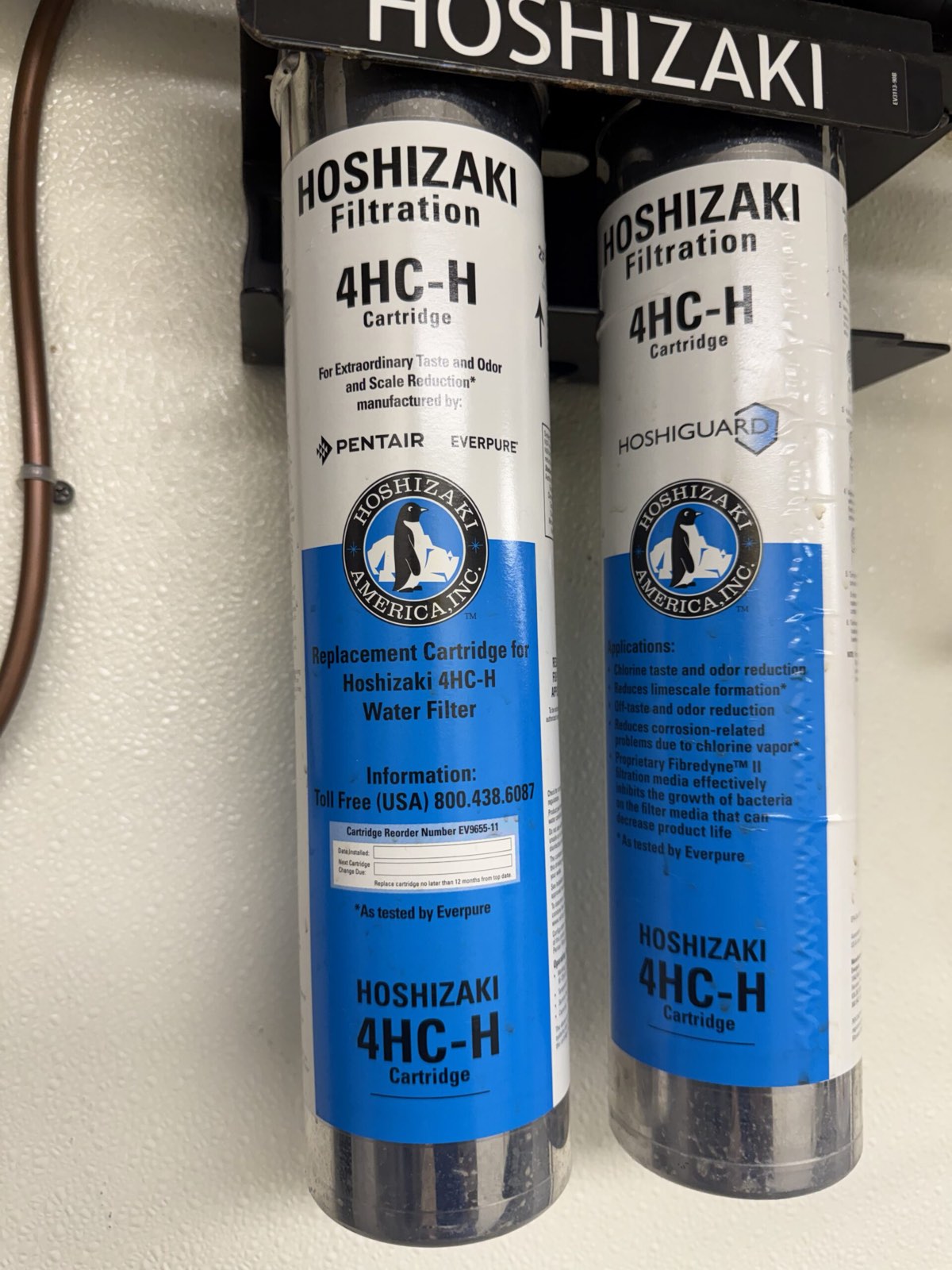
Your kitchen environment also impacts sanitation needs. Bakeries and areas with airborne yeast require more frequent sanitizing than the standard six-month interval. Most water filters strip chlorine from the supply, increasing contamination risk near yeast sources. You must sanitize whenever you remove scale to prevent microbial growth.
If environmental fixes don’t restore performance, the issue is likely mechanical. Don’t guess with electrical components. Professional diagnosis prevents costly mistakes. For reliable commercial ice machine repair in Southeastern Massachusetts and Rhode Island, contact Armus Refrigeration, 88 Mill St, New Bedford, MA — 508-521-9477.
When DIY Fails: Signs You Need Professional Ice Machine Repair
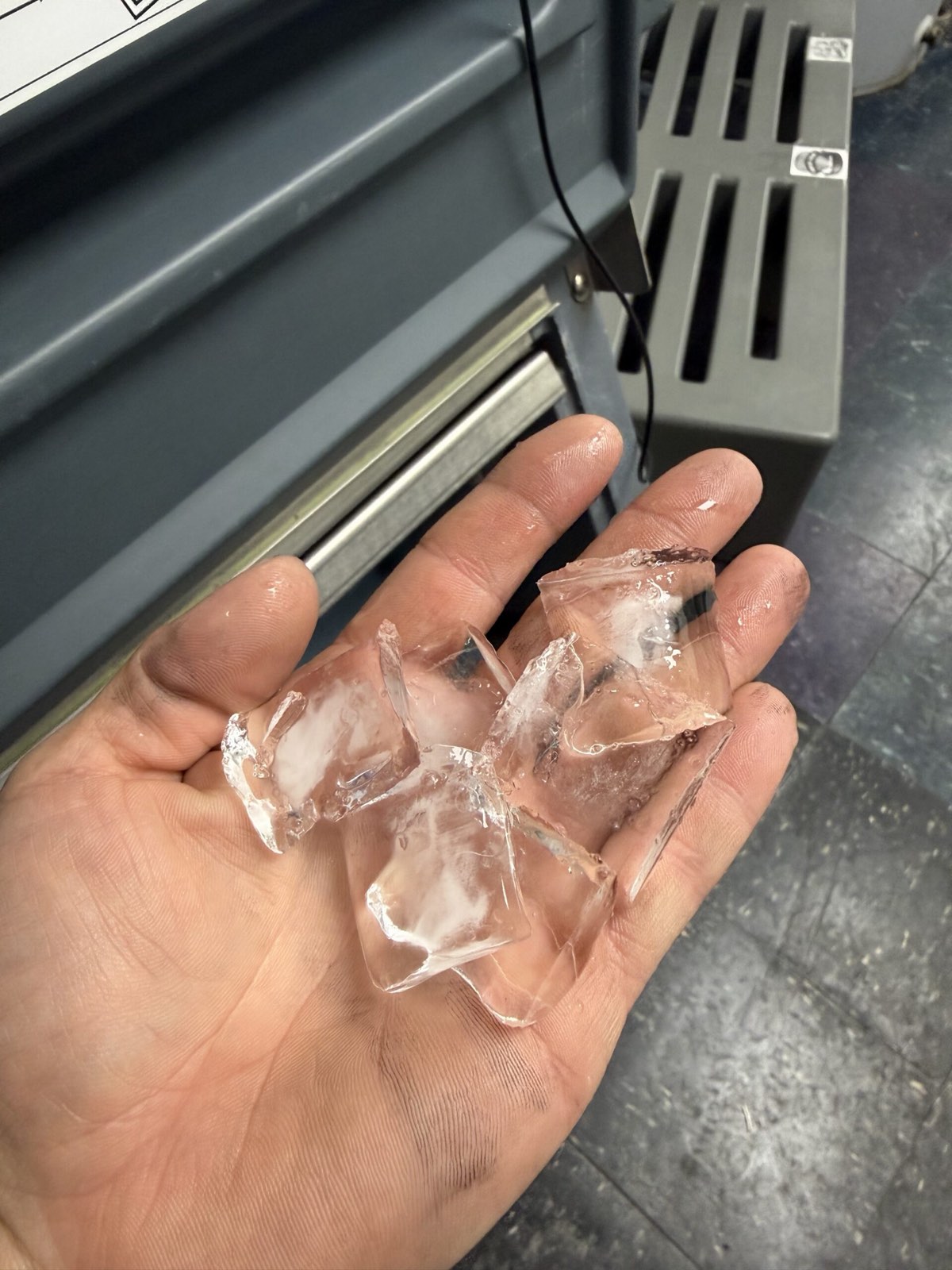
Sometimes DIY troubleshooting hits a wall. If you suspect a refrigerant leak, stop immediately. Commercial ice machines aren’t small appliances under EPA Section 608 rules. They require Type II certification to service safely and legally. Handling HFCs without proper licensing violates federal law. You also need specialized equipment for proper refrigerant reclamation during repairs.
Ignoring maintenance can void your coverage too. Follett’s manual explicitly excludes warranty coverage for issues stemming from neglected preventive maintenance. That warranty exclusion means you pay full price for fixes that regular cleaning would have prevented. Don’t risk expensive outages or compliance fines by guessing at complex mechanical failures.
Professional ice machine repair ensures the job is done right and up to code. We handle the heavy lifting so your kitchen stays running. If you need expert service in Brockton, Fall River, Marion, New Bedford, or anywhere else in Massachusetts and Rhode Island, call us. Armus Refrigeration, 88 Mill St, New Bedford, MA — 508-521-9477.
What Our Techs Check First (From the Field)
When we arrive on site, we skip the guesswork. A solid diagnostic checklist saves you time and prevents unnecessary part replacements. Here is exactly what our technicians verify first to get your machine back online.
- Check water supply pressure. Low flow starves the evaporator.
- Inspect condenser coils. Dirt restricts airflow, driving up head pressure and slowing the production rate significantly.
- Verify the drain line is clear. Blockages cause overflow and sanitation issues.
- Read any error codes on the display panel. These digital clues pinpoint electrical or sensor faults quickly.
- Perform a hard reset. Power cycling often clears temporary glitches without further intervention.
If you see no ice, suspect water supply or ambient temperature issues. Manufacturers warn that high heat reduces output. Bad taste usually means it is time to clean the water curtain and sanitize internal components. Follow your manual’s chemical ratios carefully. Slow production often traces back to dirty coils or a clogged drain line. Regular maintenance prevents these common headaches before they shut down your kitchen operations completely.
Frequently Asked Questions
You might wonder how often to clean that commercial unit. Most manufacturers suggest a full cleaning every six months. However, if you run a bakery with high airborne yeast, you need a shorter sanitizing interval. Just don’t go overboard. Descaling too soon can damage parts. Stick to the manual’s guidance for your specific water supply conditions.
Can you leave those ice scoops in the bin? The FDA Food Code says yes, but with strict rules. Store them handles up so they stay clean. Never put utensils inside the machine itself. That violates health codes and creates serious contamination risks. Keep the storage area protected and separate from the active freezing mechanism.
If your machine is making less ice, check the basics first. Dirty condenser coils kill efficiency fast. High ambient temperatures also strain the system. A clogged water filter restricts flow and reduces output. Clean the coils and replace filters regularly. These simple steps often fix production drops without calling a tech.
Related Services
- Ice Machine Repair in Brockton, MA
- Ice Machine Repair in Fall River, MA
- Ice Machine Repair in Marion, MA
Sources We Work From
The standards and manufacturer service requirements behind this page:
- Manitowoc Preventative Maintenance Bulletin MII_SB_0033, Indigo NXT Detailed Descaling and Sanitizing Procedures
- Manitowoc Parts & Service Communicator MII-106, “Ice Machine Cleaner and Sanitizer Usage”
- Ice-O-Matic ICE Series Installation Manual (11-2016)
- Manitowoc Service Communicator SC146-03, Cleaning Heavily Scaled Flake/Chiplet/Nugget Ice Machines
- Follett icemaker cleaning instructions, manual part #208600 (Form #2835)
- Ice-O-Matic ICE0250–ICE2100 Service and Installation Manual, Part No. 9081270-01
For the rules and standards behind this work, see the FDA Food Code and ENERGY STAR commercial food service guidelines from the federal agencies that govern commercial refrigeration.
How we write these: every procedure, temperature and interval on this page is taken from manufacturer service literature or federal food and refrigerant code, listed in Sources above, and reviewed by our own technicians against what we see in the field. We revise the page when a standard or a manufacturer procedure changes.