When your commercial cooling system fails, every minute without cold air means lost inventory and frustrated customers. At Armus Refrigeration, we know how fast things go south in restaurants, markets, and food service spaces across southeastern Massachusetts and Rhode Island. Whether it’s a wine cellar unit cycling too often or a refrigeration system struggling with a refrigerant leak, we handle commercial cooling repair Shrewsbury and surrounding areas with speed and precision.
Our team of experienced technicians is on call 24/7 during peak season, and we follow industry standards like EPA Section 608 and ASHRAE guidelines to ensure repairs meet safety and performance expectations. You don’t need a compliance lecture—just a working system, fast.
Why Commercial Cooling Repair Shrewsbury Matters for Your Business
When your business’s cooling system fails, it’s not just uncomfortable—it’s costly. A broken HVAC system in a restaurant or retail space can spoil perishable goods, damage equipment, and hurt your bottom line fast. Even a wine cellar that’s cycling on and off more than eight times per hour is likely struggling, meaning your inventory is at risk.
A door that doesn’t seal properly forces the system to work harder, leading to inefficiency and early failure. These aren’t minor glitches—they’re red flags that a professional service call is overdue.
Our team at Armus Refrigeration handles commercial cooling repair in Shrewsbury and across southeastern Massachusetts and Rhode Island. We don’t cut corners. When we open a system, we test the refrigerant charge, check for pressure issues, and ensure all components—like condenser fans and expansion valves—are operating within design limits.
If a compressor thermal protector trips, we diagnose whether it’s due to a dirty coil, overcharge, or valve failure. We follow ASHRAE guidelines and EPA Section 608 standards to keep systems safe and compliant, but we focus on getting your system running, not paperwork.
When the job’s done, it’s done right. You don’t need a lecture—just a working system, fast. Call Armus Refrigeration at 508-521-9477. We’re based at 88 Mill St, New Bedford, MA.
Our Proven Four-Step Repair Process in Shrewsbury and Surrounding Areas
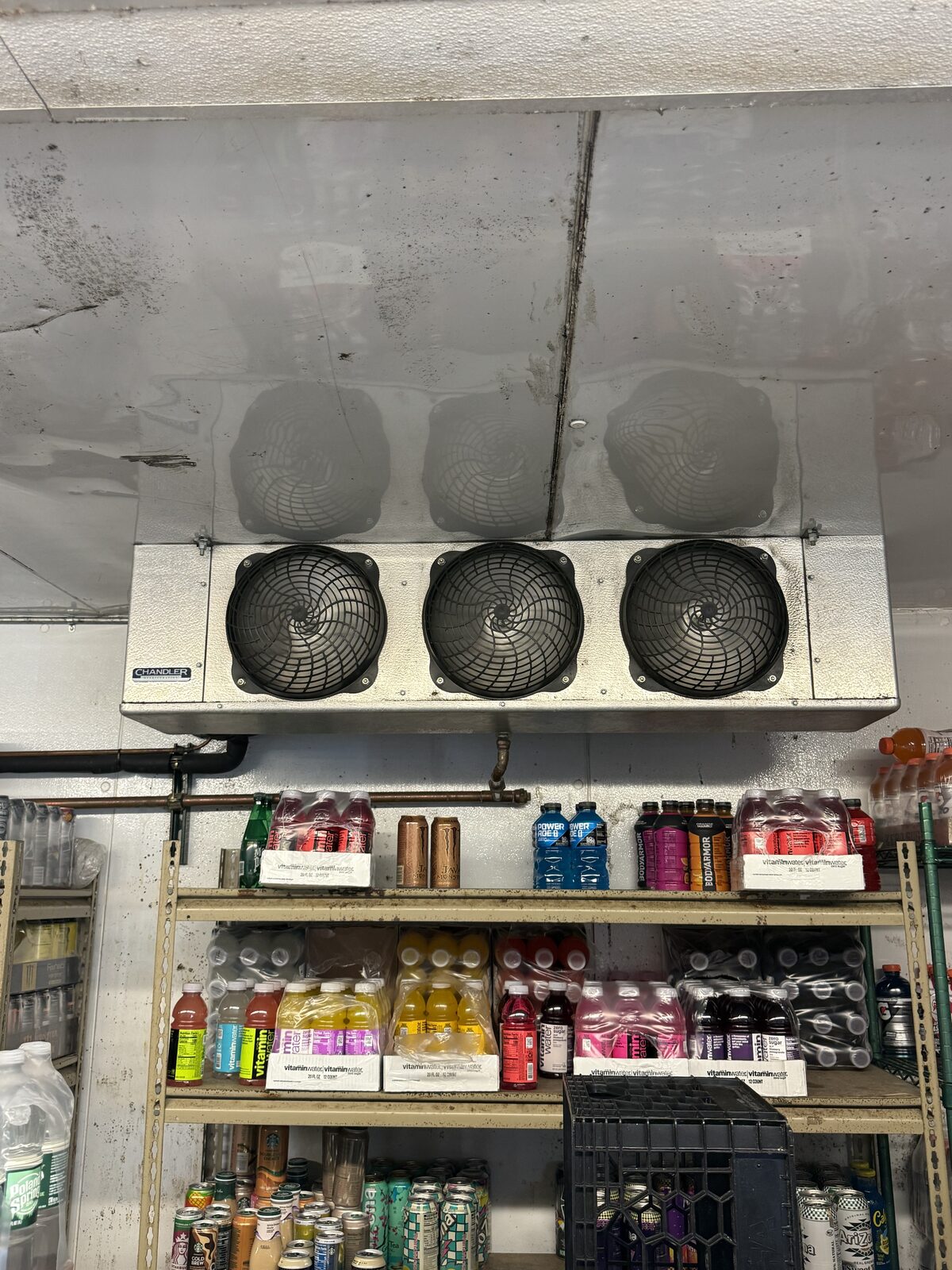
When you call Armus Refrigeration, we don’t just show up — we follow a clear, proven process to get your system running fast and right.
1. Call & Diagnose: From the moment you call, we treat your cooling failure as urgent. Our technician arrives at your site with tools and parts, ready to diagnose the issue on the spot.
2. Inspect & Test: We check pressures, temperatures, and refrigerant levels. If a leak is found, we follow EPA guidelines for leak rate thresholds — no guesswork, just clean, compliant service.
3. Repair or Replacement: If the system needs a new part — like a controller, compressor, or filter-drier — we install it properly. On units like the WhisperKOOL 3000, we ensure the replacement controller is wired and tested per manufacturer specs. If refrigerant was lost during the repair, we recharge the system and test for proper pressure and temperature.
4. Final Site Check: Before we leave, we reassemble the unit, verify full operation, and confirm your system is cooling as it should. All work is documented.
We’re based at 88 Mill St, New Bedford, MA. Call us anytime — we’re here for your business.
Compliance & Safety: Meeting EPA & AIM Act Refrigerant Rules
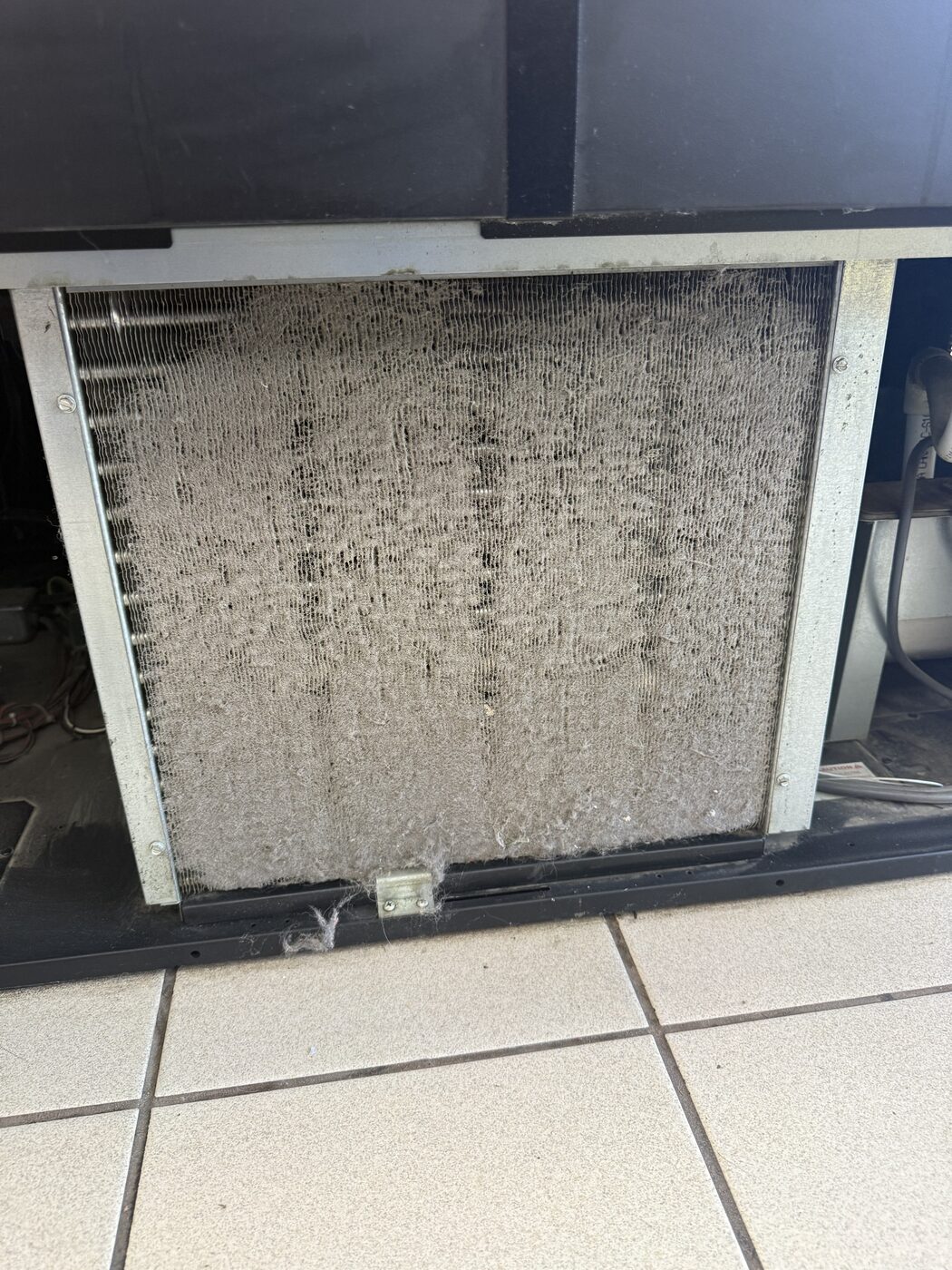
We handle every commercial cooling system with full awareness of current refrigerant rules.
Under EPA Section 608 and the AIM Act refrigerant-management rule, appliances holding 50 pounds or more of ozone-depleting refrigerant must meet leak-repair requirements. Since January 2026, the same applies to systems with 15 pounds or more of HFC refrigerant. The repair trigger is a leak rate over 20% per year for commercial refrigeration, 30% for industrial process refrigeration, and 10% for comfort cooling.
Leak rates are measured in percentage of total charge lost per year. A system losing more than 20% annually in commercial use must be repaired immediately under EPA rules. This applies regardless of the refrigerant type.
Here’s how we apply those thresholds in the field:
| System Type | Repair Trigger (Leak Rate) |
|---|---|
| Commercial refrigeration | Over 20% per year |
| Industrial process refrigeration | Over 30% per year |
| Comfort cooling | Over 10% per year |
We test refrigerant levels and pressure to confirm actual loss. If a leak is found, we trace it, repair it, and document the fix. We don’t just top off refrigerant—we fix the root cause.
When we open a system, we don’t just fix the leak—we check the entire loop. This includes testing the controller’s response to pressure changes, verifying the pump-down capacity, and ensuring the system holds vacuum properly. A failed vacuum test? We triple-evacuate: twice to 1,500 microns, break the vacuum with dry nitrogen, then finish to 500 microns—just as Copeland recommends.
We also watch head pressure, especially in low-ambient setups. If the condenser cools too much, the expansion valve can’t feed the evaporator right. That’s when we check fan-cycling controls or head pressure regulators—like those in Russell’s Multicon models—to keep the system stable. It’s not just about the refrigerant; it’s about how every part—electrical, pump, controller, and system as a whole—works together under real-world conditions.
Call Armus Refrigeration at 508-521-9477. We’re based at 88 Mill St, New Bedford, MA.
What Our Techs Check First (From the Field)
Our initial step upon arrival isn’t to open the unit. We start with the controller. If it’s not reading system pressure or cycling erratically, the whole system misbehaves. We verify the electrical supply is stable—no voltage drops, no tripped breakers. Then we check the pump: is it running? Is it making noise? A failing pump can starve the system of refrigerant flow.
Next, we read suction and discharge pressures. If superheat is outside 20°F to 30°F (per Heatcraft’s balancing guide), we know something’s off—overcharge, dirty coil, or a blocked filter. We inspect the condenser coil: if it’s clogged, the head pressure climbs. On flooded-condenser systems, we check for refrigerant migration—especially if ambient temps dip below 55°F. We also confirm the receiver pump-down capacity meets specs.
Finally, we test the compressor’s thermal protector. If it’s tripping, we rule out a blown gasket, dirty condenser, or discharge valve issue. Every component ties to another. We fix one, check them all.
Frequently Asked Questions
Do you handle refrigerant leak repairs that meet EPA requirements?
We follow EPA Section 608 and AIM Act rules for commercial refrigeration. If a system leaks more than 20% of its refrigerant annually, we perform a full leak check, repair, and document the fix. All repairs are done with proper tools and safety protocols to keep your system compliant and running efficiently.
Can you install a new HVAC system, or do I need another contractor?
We handle both repair and installation of commercial HVAC and refrigeration systems. Our licensed technicians are trained to install split, ducted, and self-contained units—whether it’s a new system or a replacement. We ensure all electrical and refrigerant connections meet manufacturer specs and local codes.
What’s involved in a compressor burnout cleanup and restart?
After a burnout, we perform a full system flush and triple evacuation—pulling vacuum twice to 1,500 microns, then to 500 microns with nitrogen breaks. We replace filter-driers and test pressure differentials for at least four hours. This prevents contamination and ensures your system runs safely and reliably post-repair.
Related Services
- Commercial Refrigeration Repair
- Refrigerant Leak Repair
- Commercial Ice Machine Service
- HVAC Repair for Commercial Spaces
- Commercial Freezer Repair
Sources We Work From
The standards and manufacturer service requirements behind this page:
- EPA — Stationary Refrigeration Leak Repair Requirements
- Wine Guardian — 5 Types of Wine Cellar Cooling Units and How They Work
- Armus Refrigeration service record — wine cellar cooling unit, Rochester, MA (September 2026)
- Heatcraft H-IM-CU Condensing Units Installation and Operation Manual (July 2025), Head Pressure Control CAUTION
- Wine Guardian — Prevent Costly Wine Cooler Repairs: A Maintenance Guide
- Heatcraft Refrigeration Products, Condensing Units Installation and Operation Manual (H-IM-CU)
For the rules and standards behind this work, see the FDA Food Code and ENERGY STAR commercial food service guidelines from the federal agencies that govern commercial refrigeration.
How we write these: every procedure, temperature and interval on this page is taken from manufacturer service literature or federal food and refrigerant code, listed in Sources above, and reviewed by our own technicians against what we see in the field. We revise the page when a standard or a manufacturer procedure changes.
Important safety note: Refrigerant and electrical work requires EPA Section 608 certification and proper safety gear. Never attempt repairs without training. Improper handling can cause system damage, environmental harm, or injury.