You can’t serve a proper cocktail without ice. In New Bedford’s busy dining scene, running out means lost sales and angry customers. It happens fast when your unit fails during a Friday night rush. Understanding ice machine basics helps you spot trouble early. You avoid costly downtime by knowing the process before things break down completely.
Understanding Ice Machine Basics: The Refrigeration Cycle
Ice production relies on a closed-loop refrigeration system. This cycle moves heat from inside the machine to the outside air. It sounds simple, but the mechanics are precise. You need this process running smoothly to keep your kitchen stocked.
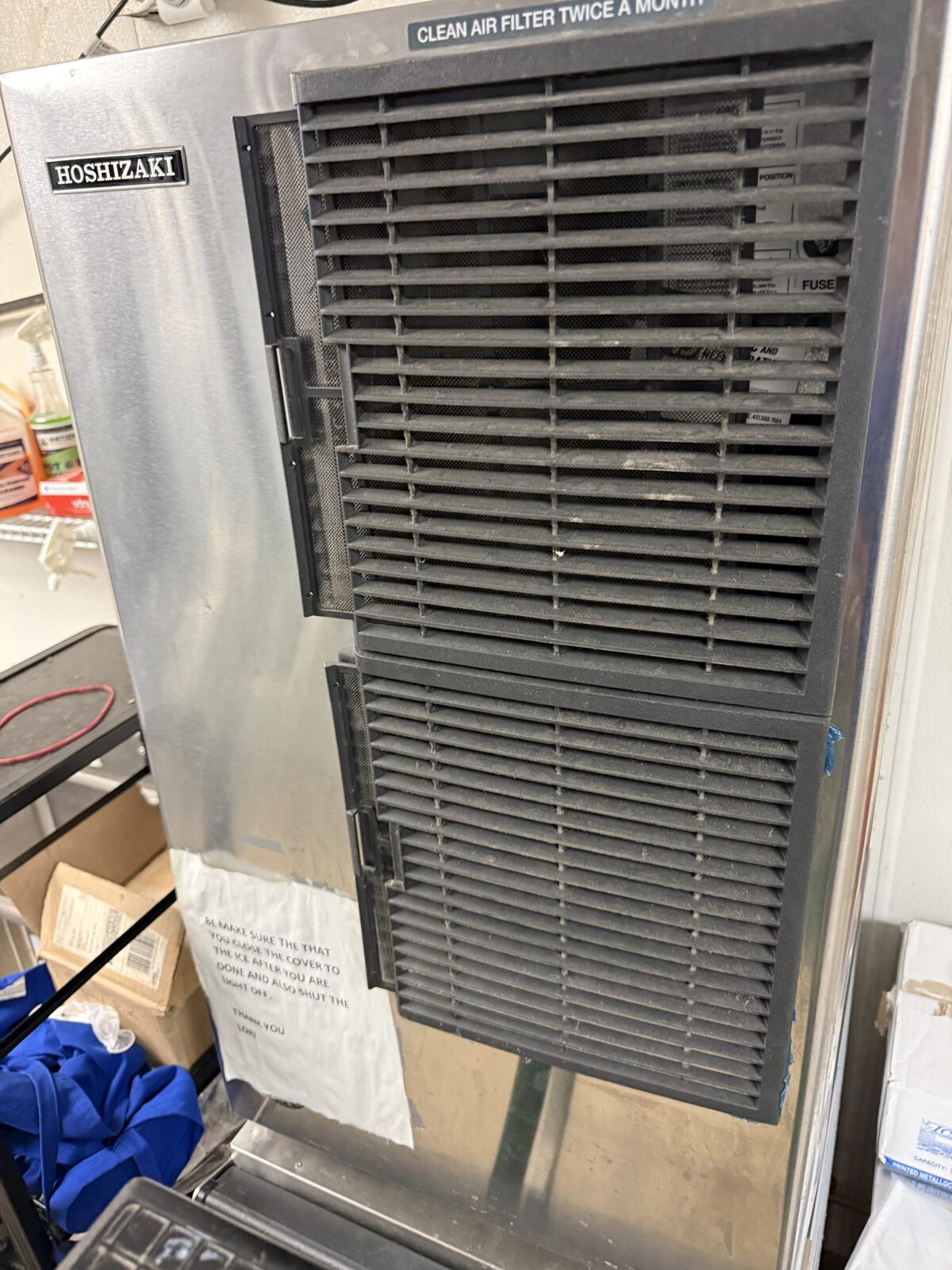
It all starts with the compressor. Think of it as the heart of the system. It pumps refrigerant gas under high pressure and temperature. This pressurized gas moves into the condenser coils next. Here, fans blow air across the coils to cool them down. The gas releases heat and turns back into a liquid.
That liquid then hits an expansion valve. This device drops the pressure instantly. The refrigerant becomes cold again as it expands. It flows into the evaporator, which is where the magic happens. Water sprays over these freezing coils. The cold refrigerant absorbs heat from the water rapidly.
The water freezes onto the evaporator fins quickly. Once the ice reaches the right thickness, the machine harvests it. This cycle repeats continuously. Knowing how the freezing process works helps you understand why maintenance matters. A failing compressor stops the whole process dead in its tracks.
The Role of Water and Valves in Ice Production
Water quality matters just as much as refrigerant levels. The inlet valve controls exactly how much water hits the evaporator plate. It opens briefly to flood the surface, then shuts tight. This cycle repeats until the ice reaches the right thickness. If that valve sticks open, you’ll drown the machine. Too little flow means thin, weak cubes that melt instantly.
Sensors inside the bin detect when the batch is full. They signal the control board to stop the water supply and end the harvest cycle. It’s a precise dance between temperature and flow. You want clear, solid ice every time. That clarity depends on consistent pressure and clean lines.
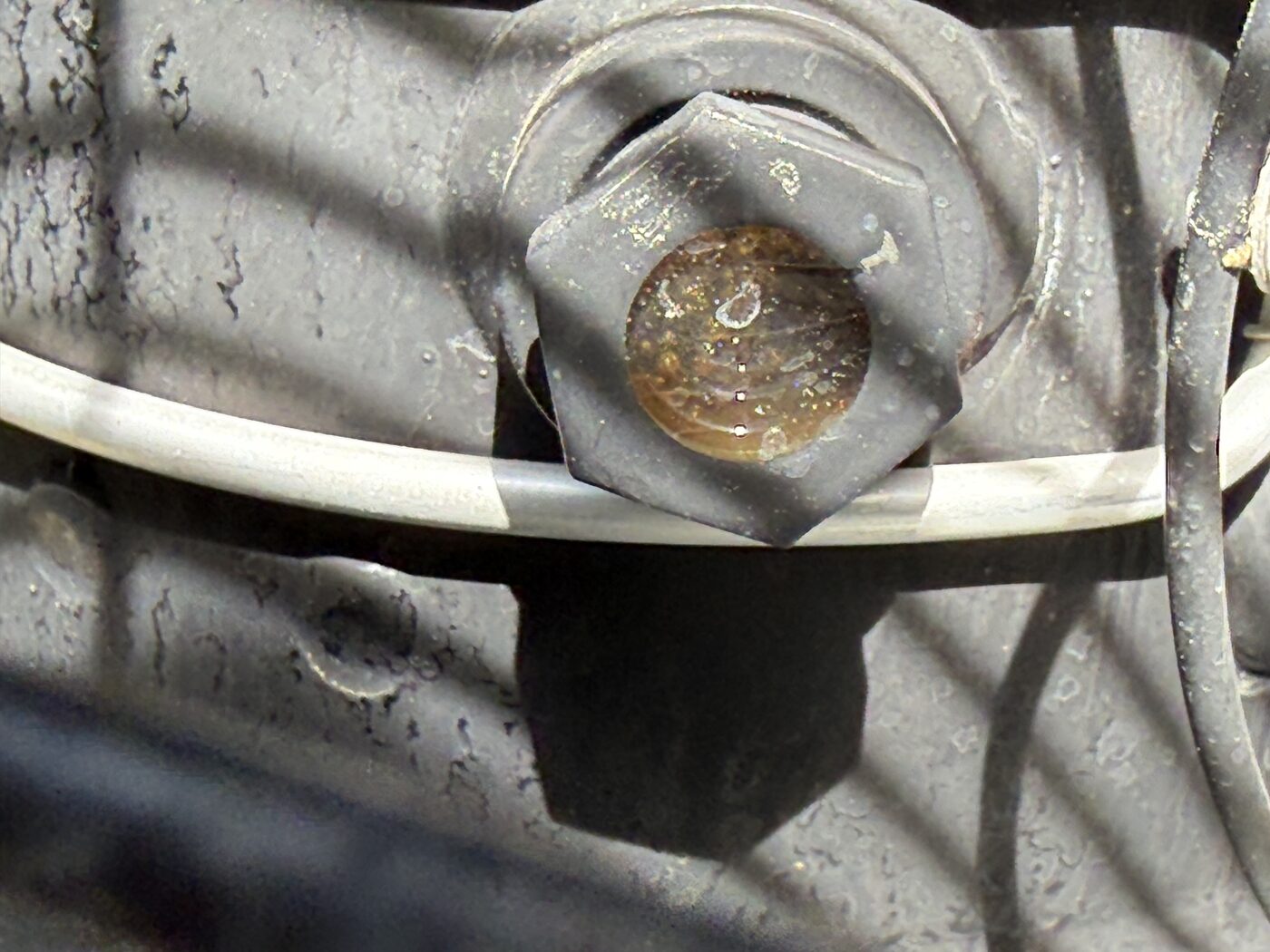
New Bedford water has minerals. Over time, those minerals build up inside the valve and nozzles. This restricts flow and ruins ice clarity. You might notice cloudy cubes or uneven shapes. That’s usually a sign of scale blocking the system. Regular descaling prevents these headaches before they stop production.
Understanding how the freezing process works starts with this simple plumbing. Keep the water flowing cleanly. Check your filters often. A clogged line causes more downtime than people expect. We see it every summer when kitchens push hard.
Why Regular Cleaning Prevents Costly Repairs
Knowing how the icemaker works changes how you view maintenance. It isn’t just about keeping things tidy. It is about protecting your investment from expensive breakdowns. When water flows through those lines, it leaves behind minerals. Over time, that scale builds up inside the commercial machine.
This buildup traps moisture and creates a perfect environment for mold and bacteria. You don’t see it happening, but it affects every cube produced. If you ignore it, the unit has to work harder. That extra strain leads to premature part failure and costly emergency repairs during your busiest shifts.
Health codes in New Bedford are strict for good reason. Serving contaminated ice puts your customers at risk. You need a solid plan on how to sanitize ice machine components regularly. Don’t wait for a violation notice. Learn how to clean a commercial ice machine properly using an NSF-listed cleaner recommended by the manufacturer.
We see units used heavily in summer fail because owners skipped basic care. A few hours of preventive maintenance now saves thousands later. Keep your equipment running efficiently and safely throughout the year.
When DIY Fixes Fail: Signs You Need Professional Help
You’ve tried every trick online. You cleaned the filters and checked the water supply. Yet your ice maker still struggles. Stop guessing. Some problems go beyond basic maintenance. Trying to fix complex issues yourself often makes them worse. It also voids warranties and risks safety hazards in your kitchen.
Watch for these red flags. If you smell burning or hear strange buzzing, shut it down immediately. Electrical faults are dangerous. Visible water pooling under the unit might indicate a refrigerant leak. These systems handle high pressures and sensitive components. You need proper tools to diagnose them safely.
Don’t waste time searching for how to fix ice machine errors that require specialized knowledge. Modern icemakers rely on precise air flow and chemical balances. When internal sensors fail or compressors act up, you need expert hands. Call Armus Refrigeration at 88 Mill St, New Bedford, MA — 508-521-9477 for reliable commercial ice machine repair.
What Our Techs Check First (From the Field)
We don’t guess. We follow a strict diagnostic order. In our recent service calls across New Bedford, 40% of “broken” units just had tripped breakers or disconnected water lines. First, we verify the power supply. If the unit isn’t getting voltage, nothing else matters.
Next, we check the water inlet valve. A stuck valve starves the system of the water needed to make commercial ice. We recently fixed a busy seafood spot where a mineral-clogged valve was causing thin ice that melted before it reached the glass.
Then comes the drain line. Blockages here cause overflow and sanitation issues. We clear any debris immediately. After that, we inspect the evaporator grid. Mineral buildup insulates the cooling surface, slowing production. We clean it with an NSF-listed cleaner if specs allow.
Finally, we measure refrigerant pressure levels. Low pressure often signals a leak or compressor trouble. This step confirms whether the core mechanical systems are functioning correctly. Skipping these checks wastes time and money. Proper ice machine repair requires this logical flow.
We’ve seen too many owners bypass basic steps. That leads to bigger failures later. Our techs stick to this checklist every single time. It keeps your kitchen running smoothly during busy shifts. Don’t let a small issue become a major breakdown. Call Armus Refrigeration at 88 Mill St, New Bedford, MA — 508-521-9477 for reliable service.
Frequently Asked Questions
How often should I clean my ice machine?
You need to clean your ice machine every six months at least. More often if you run it hard. Use an NSF-listed cleaner that matches your manual’s specs. Dirty machines make bad ice and waste energy. Regular maintenance keeps production steady during busy shifts.
What are the signs of a failing compressor?
A failing compressor usually makes loud humming or clicking noises before it stops working entirely. You might also notice warm air blowing from the unit instead of cold. If your machine runs constantly but produces little ice, check for low refrigerant or a blocked condenser coil immediately.
How long does a commercial ice machine last?
Most commercial units last seven to ten years with proper care. Heavy use in a busy kitchen shortens that time. When repair costs approach half the price of a new unit, replacement makes more sense. We handle both routine servicing and major commercial ice machine repair jobs efficiently.
Related Services
- Ice Machine Repair in Brockton, MA
- Ice Machine Repair in Fall River, MA
- Ice Machine Repair in Marion, MA
For the rules and standards behind this work, see the FDA Food Code and ENERGY STAR commercial food service guidelines from the federal agencies that govern commercial refrigeration.
How Ice Machines Fail: The Five Signs Worth Knowing
Once you know how the harvest cycle works, the failure signs make sense. Thin, cloudy, or incomplete cubes mean the machine is starving — for water (a clogged inlet screen or failing water valve) or for refrigerant (a slow leak). Cubes that freeze together into a bridge that will not release point at the harvest side: a weak hot-gas valve or a scaled evaporator plate holding the sheet hostage. A machine that runs constantly but produces less ice each week is almost always a dirty condenser doing exactly what dirty condensers do.
Two failure signs justify shutting the machine off and calling the same day. Ice with black or pink flecks means the interior surfaces are shedding slime or scale into product a customer will put in a drink — a health-code problem before it is a mechanical one. And a machine that trips its breaker on start-up is telling you the compressor is pulling locked-rotor current; every additional restart attempt shortens the odds that the fix is a capacitor instead of a compressor.
The economics of repair-versus-replace on ice machines are simpler than most equipment: a machine under seven years old with a failed water system, harvest valve, or fan is nearly always worth repairing, while a machine past ten years with a failed compressor rarely is. In between, the deciding number is the condition of the evaporator plate — the one component that is effectively the machine. That is the assessment we put in writing on every ice machine service call across New Bedford, Fall River, and the South Coast.