Ice Machine Not Making Ice in New Bedford, Fall River & Southeastern MA
Your restaurant is slammed for lunch service, and the ice machine is spitting out nothing but air. When that happens, you’re not just losing a few bags of ice; you’re slowing down prep stations everywhere from the deli counter to the beverage cooler.
Why Is My Commercial Ice Machine Suddenly Not Making Ice?
For more on AIM Act phase-down, see EPA SNAP-listed refrigerants.
Look, I know what this sounds like—every tech on call has heard this complaint. It’s frustrating, especially when you’ve got staff waiting and customers expecting drinks. When an ice machine quits, it’s rarely one simple thing. Usually, it’s a chain reaction involving multiple components.
First things first: are the basics covered? Is the water supply running clear? Is the drain line clear of gunk? Sometimes it’s just a clogged filter or a scale buildup on the heat exchanger that throws the whole cycle off. But if you’ve checked those and nothing’s happening, we need to start digging into the guts—the compressors, the refrigerant pressures, the control boards.
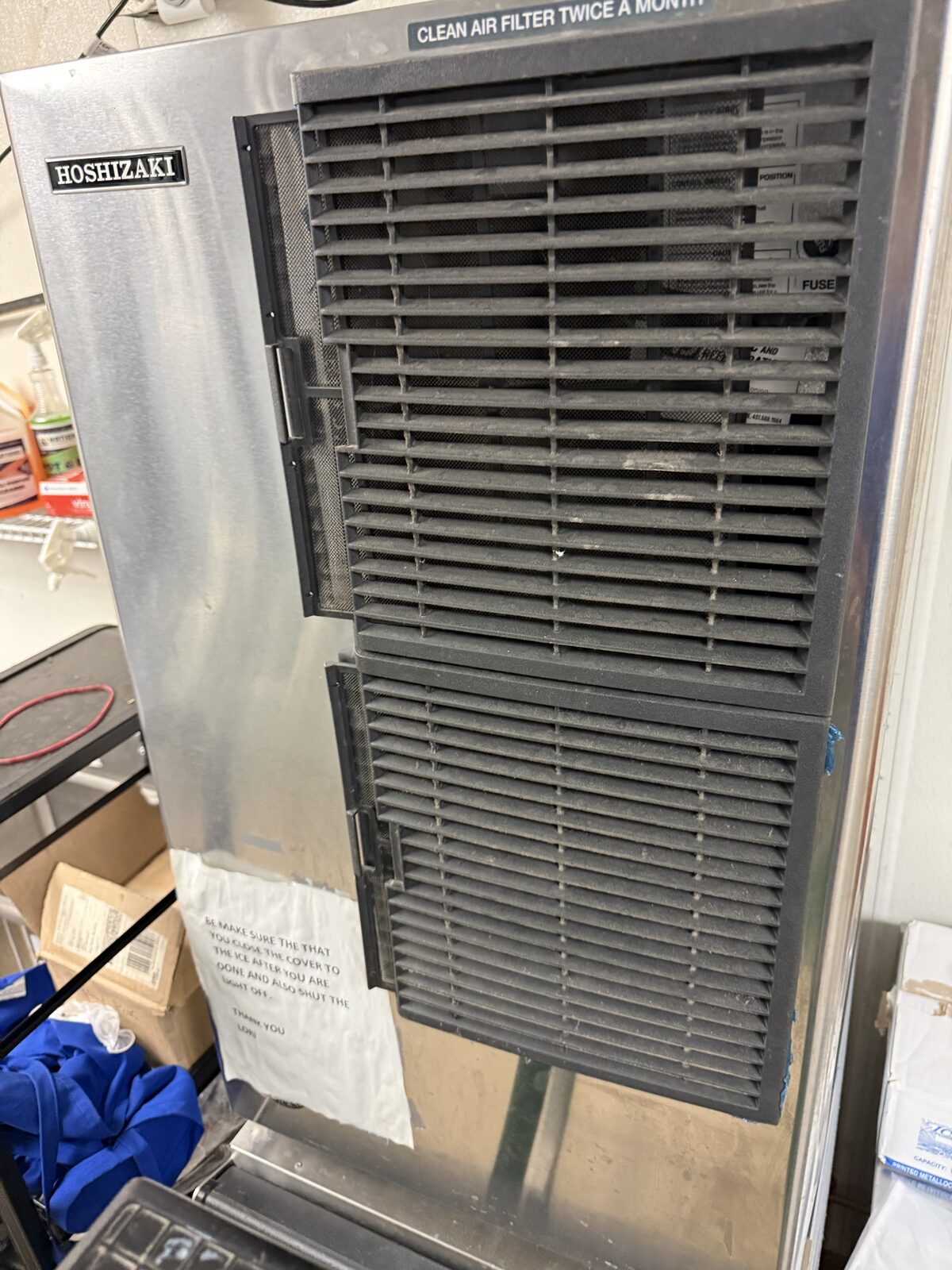
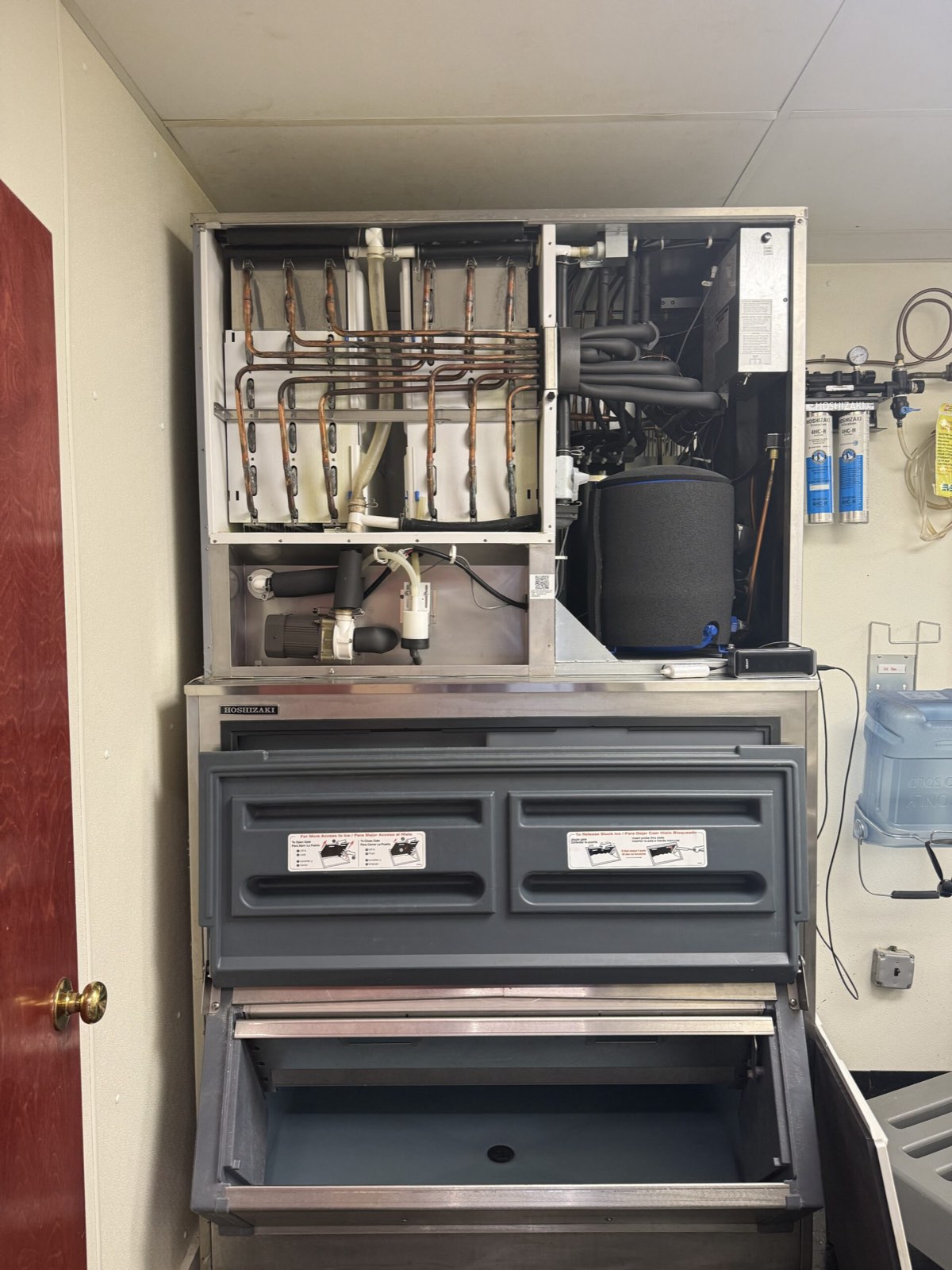
I deal with everything from Manitowoc units in Providence to older Hoshizaki coolers near Mattapoisett. The troubleshooting process is methodical. We check for proper differential pressure across the evaporator and condenser. If the compressor isn’t cycling right, or if the expansion valve is stuck, you won’t get ice, no matter how good the machine is.
The Real Culprits: Compressor Failure vs. Low Refrigerant Charge
For more on refrigerant handling regulations, see EPA Section 608 certification.
This is where a quick diagnosis matters more than an expensive band-aid fix. When people call us out here—and I mean *call* us, don’t send an email—they usually think it’s the compressor that died. Sometimes it has. A bad motor winding or an electrical issue means we gotta swap the unit out.
But sometimes, the machine is fine, and the problem is systemic. Maybe a hairline leak in the capillary tube let the refrigerant pressure drop too low for the system to build enough cold. Or perhaps the condenser coils are choked with scale because the water filtration wasn’t up to par. If we just swap out the compressor without addressing why it failed—say, poor airflow or bad condenser contact—you’ll be calling us back next month.
We use our experience across Southeastern Massachusetts daily to tell you straight: is this a $300 part replacement job, or are we looking at a full system overhaul because the unit has reached its lifespan limit? We won’t just recommend the most expensive thing; we’ll recommend what keeps your business running reliably for the next 2-5 years.
Service Call Details: What to Expect When You Call 508-521-9477
You don’t have time for guesswork when your ice reserves are low. That’s why we keep our phone on, 24/7 during peak season. When you call us—whether it’s a diner in New Bedford needing emergency response or a market near the South Coast—you get someone who knows what’s wrong before you even fully explain it.
When my tech shows up, we aren’t just guessing. We pull out our gauges and start reading pressures. We check electrical continuity on the contactor and monitor the run-time amps on the motor. It takes time, but that time gets us to root cause faster than any online guide.
We’re licensed and insured, which means you get solid work backing it up. And if we find out your machine is running inefficiently because of old refrigerant lines or a worn-out defrost cycle component—we’ll tell you upfront what that costs versus just patching the immediate symptom. No surprises.
Local Trouble Shooting: Anecdotes from Our Days in MA and RI
For more on Massachusetts compliance, see EPA Section 608 refrigerant rules.
I remember last month down near Fall River, working on a high-volume ice machine for a seafood joint. It was one of those older Traulsen models. The owner thought it was the main compressor—it was humming but not engaging properly. We opened up the access panel, and you wouldn’t believe it. The entire condensate drain pan had some heavy mineral scale buildup right where the primary water line fed into the system. It created a partial vacuum blockage downstream that kept tripping the low-pressure switch intermittently.
It took an hour to clean out that sludge and reset the plumbing connections, but getting the unit running again was immediate. That’s the difference between looking at symptoms and checking the whole circuit path. We’ve seen this exact pattern happen in smaller operations all over the region—the scale buildup is relentless if you don’t keep up with preventative maintenance.
We know Route 6, we know the differences between Cape Cod towns, and frankly, we know when a unit has taken too many hits. If it’s been through three major power fluctuations in as many years, sometimes replacement is the only smart move for your bottom line.
Preventing Downtime: Maintenance Beyond the Break
The best service call is the one you never have to make. Keeping your ice machine—and all your other commercial refrigeration, like walk-in coolers and prep tables—running smoothly comes down to routine maintenance. This isn’t just about cleaning coils; it’s about keeping the whole thermodynamic process balanced.
A good preventative service includes checking refrigerant levels (we test actual pressures here), flushing scale from the water lines, inspecting the seals on the evaporator coil for potential leaks, and testing the thermostat accuracy. We look at the entire picture, not just the ice output.
If you’re running multiple pieces of equipment—a glass-door merchandiser near your register *and* a walk-in freezer—those systems talk to each other regarding power draw and cooling load. A technician who only knows how to fix compressors might miss an airflow issue on the condenser unit, which can stress everything else out over time.
Who We Work With and Why Local Matters
We aren’t a big corporate outfit sending out general contractors. This is small-town service for commercial kitchens across New Bedford, Fall River, Dartmouth, and anywhere between Plymouth and Providence. I live here; my crew lives here. When you call us, we know the area, the traffic patterns, and where your kitchen setup is most vulnerable.
We work with True, Beverage-Air, Manitowoc, Continental—the brands that actually keep food service running when it matters most. We aren’t afraid of a deep dive into the technical side; we speak the language of refrigerants, compressors, and expansion valves because that’s what keeps your revenue coming in.
Ice Machine Not Making Ice? Don’t Wait for Happy Hour
Your ice machine stops spitting out cubes right when the lunch crowd hits—that’s a problem that costs more than just a call to us. When an ice machine isn’t producing, it usually points back to one of three things: the source water pressure is shot, the brine system is clogged, or the compressor/refrigerant charge is off.
We pull up to spots in downtown Providence—from the busy bars near Benefit Street down to the seafood joints by the river—and that’s often what we find. It’s rarely a “magic fix.” Sometimes it’s just scale buildup on the heat exchanger, or maybe the drain line backing up with debris from last week’s use.
Don’t call anyone who tells you they can just “reset” it over the phone. We need to look at the actual unit—the water inlet, the brine circuit, everything. If your ice machine is failing in a high-volume spot like Warwick or downtown Providence, you need someone on site fast. Call us at 508-521-9477.
Our Diagnosis: What’s Actually Happening Underneath
People hear “refrigeration repair” and they think we just swap out parts. Nope. We’re troubleshooters first. When a walk-in cooler loses temperature, I don’t just change the thermostat; I check the condenser coils for dirt buildup—especially if it’s been sitting in salt air near Newport or Point Judith.
If your glass-door merchandiser is struggling to maintain temps holding sodas out on Federal Hill, we check pressure drops across the expansion valve and measure the liquid line temperature. A simple clog or a faulty sight glass can throw off the entire cycle reading, making it look like the compressor itself failed when it’s really just starved for refrigerant.
It takes experience to tell the difference between a failed capacitor—a cheap fix—and a failing compressor motor that needs replacing. We’ve seen this exact dance dozens of times across Rhode Island; you need someone who knows the sound a healthy unit should be making, not just what the readout says.
Preventive Maintenance: Keeping Your Coolers Running Through Winter
This is where most restaurant owners get complacent. They wait for something to fail—the condenser quits humming, or the evaporator starts weeping condensation everywhere. That’s when you’re scrambling at 2 AM because your prep table freezer is warm.
A good maintenance check we run on every commercial unit, whether it’s a True reach-in or a Manitowoc walk-in freezer, involves cleaning the condenser coils thoroughly—usually with a specialized coil cleaner and high-pressure wash. We also inspect the defrost heaters and cycles to make sure they’re kicking in when they should be, especially before we hit that damp New England winter.
We’ll run through your whole system: checking refrigerant levels (and making sure everything is charged correctly using EPA 608 certified methods), testing the door gaskets for air leaks, and looking at the drain pan integrity. Doing this upfront saves you hundreds—sometimes thousands—when a unit actually goes down during service hours.