Reach In Cooler Repair in New Bedford, MA: Keeping Your Cold Chain Going
Your walk-in cooler is fine, but that single reach-in unit holding your deli meats or dairy products? If it stops cooling at 6 AM and the morning rush is kicking off at 8, time isn’t just money—it’s spoiled inventory. Call us right away: 508-521-9477.
When Your Reach-In Cooler Goes Down in New Bedford
For more on AIM Act phase-down, see EPA SNAP-listed refrigerants.
Look, I’ve been doing this on the South Coast—from Fall River all the way down past Dartmouth—for over fifteen years. I know what it means when a walk-in or a critical reach-in unit fails during peak hours. It’s not an inconvenience; it’s a cash flow problem that hits hard, fast.
When you call us out on this, we don’t do the marketing fluff. We assess the situation. Is it the compressor drawing too much amperage? Did the condenser get choked up with dust from a busy prep area? Or is it something simpler, like a failed defrost timer?
We treat every call to 508-521-9477 like we’re racing against the clock. We need you running your business, so our crew gets straight to diagnosing the root cause—whether that’s faulty refrigerant pressure or a seized expansion valve.
The Difference Between Repair and Replacement: What Edward Will Tell You
For more on Massachusetts compliance, see EPA Section 608 refrigerant rules.
A lot of folks call us when their unit is making strange noises, and they want it fixed immediately. That’s what we do. But I also know when a fight is lost cause. If you’ve got a piece of equipment—say, an older True reach-in cooler from before 2010—and the electrical components are shot, we need to talk about replacement.
We aren’t here to upsell junk just because it pays the bill. We get down into the specs. We check the age of the sealed system against the operational hours. Sometimes, putting a $2,000 compressor into a unit that’s structurally tired is throwing money away. We tell you straight up: “Swap this part and buy yourself 3 years,” or “For less than that, we can get you a new model with better efficiency.” That honesty is why people keep calling.
We handle everything from glass-door merchandisers needing simple gasket replacement to full compressor swaps on heavy-duty Beverage-Air units. We’ve seen it all around the region.
Understanding the Components: What Your Tech Will Actually Check
When we pull up to a restaurant in New Bedford, I don’t just guess what’s wrong. My techs know their stuff. They check refrigerant levels and pressures—high side, low side—to see if the system is battling a restriction or an overcharge.
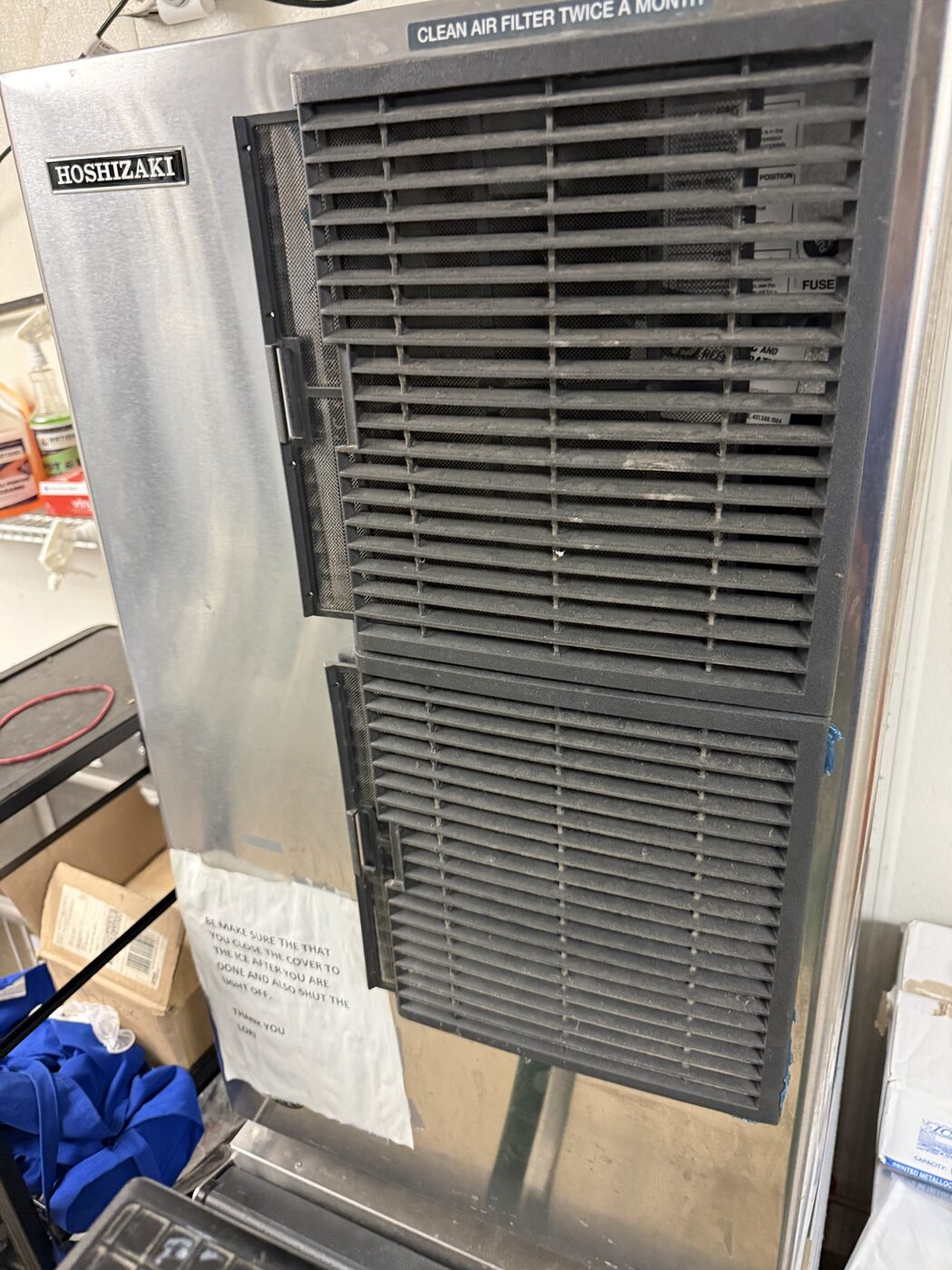
If the condenser isn’t pulling heat properly because it’s covered in grease from your kitchen prep tables, that’s our first stop. We blow out dirt, check the blower motor, and make sure the airflow across the coils is clean. A dirty condenser acts like a choke point on your whole system.
Then there’s the evaporator. If the temperature differential between the air coming off it and the ambient air is way off, we know where to look—maybe the metering device (the capillary tube or expansion valve) is sticking, or maybe the defrost cycle isn’t kicking in when it should.
If you’re dealing with a Manitowoc unit acting up, knowing these parts helps us diagnose faster than any quick call center trickery. We work on real equipment every day.
Our Local Coverage: From Acushnet to the South Coast
We aren’t some big regional outfit that treats the whole county like a single zip code. We live and work in this area. If you’re over near Acushnet, or maybe out by Mattapoisett needing an ice machine fixed at a small seafood market, we know the back roads and where to find you.
If you’re deep into Providence, or running operations down toward Point Judith, same deal. We maintain rapid response times across Southeastern Massachusetts and Rhode Island because it’s our backyard. When your equipment fails, downtime doesn’t care if you’re two minutes from Route 3 or ten miles off a side street in New Bedford.
I remember last month down near Fall River—a busy deli shop that was slammed with lunch orders. Their main prep table cooler had its temperature climbing slowly all morning. We got there, checked the refrigerant charge, found a minor blockage at the service valve, and we had it running stable again in under an hour. Nothing beats getting back to normal when you’ve been fighting equipment failure.
Handling Specific Equipment: More Than Just Coolers
For more on refrigerant handling regulations, see EPA Section 608 certification.
It’s not just about the walk-in cooler. We work on everything that keeps your food safe and profitable. Need a glass-door merchandiser fixed because the lighting is flickering or the door seal is failing? Call us. Is your ice machine spitting out chunks instead of cubes? That’s another call for us.
We service everything from small reach-in units used in back stock rooms to large, complex systems that run multiple pieces of equipment off one main line. When you call 508-521-9477, you’re talking to a crew that knows the specifics of True compressors versus Continental refrigeration controls. We speak your language.
We are licensed and insured for this work, and our techs are EPA 608 certified because we take handling refrigerants seriously. It’s not just about getting the cold air back in; it’s doing it the right way so you don’t have headaches next season.
Emergency Response: When Minutes Matter
Let’s be blunt. If your walk-in cooler stops cooling before opening, every minute that unit sits above safe temps is money walking out the door—and worse, potential product loss you can never get back. That’s why we operate 24/7.
We understand the rhythm of food service. Weekends mean different rushes than a Tuesday afternoon dump. We are ready for it all. Don’t wait until the temperature gauge hits redlining numbers to make the call. If you smell something, hear a strange sound, or notice temps creeping up, give us a ring.
We’ll assess if we can get a tech out there on same-day service. We handle it so you don’t have to worry about emergency calls keeping you up at night worrying about your inventory.
What Goes Wrong and How We Figure It Out
You hear a noise you’ve never heard before coming from your walk-in cooler—a loud thumping, or maybe just a high-pitched whine that gets worse over the day. That’s usually your first clue. But sometimes it’s quiet, which is way scarier when you’re running a place in New Bedford.
I’ve seen this dozens of times: the temperature gauge reads fine one minute, and then suddenly, nothing. The compressor just won’t kick on, or maybe the condenser fan motor has seized up. We don’t guess; we diagnose. We check refrigerant pressures—the high side and low side—and look at the electrical draw on the contactor. If it’s a simple capacitor failure, that’s cheap and fast. If the compressor windings are burnt out, you’re looking at a bigger job.
Last month down near Point Concord, a diner owner thought it was just the defrost cycle tripping too often. Turns out, it wasn’t the thermostat; the expansion valve was partially clogged with scale buildup, restricting flow across the capillary tube. It’s these details—the little bits that trip up rookies—that separate a quick fix from a temporary band-aid.
What to Expect When We Show Up
When you call us because your reach-in cooler in New Bedford is down, here’s what happens. First, I drive over. Whether it’s the traffic mess near the wharves or navigating one of those older side streets off downtown—I know how to get there fast. You need us on site, day or night.
We walk you through it. We point out exactly what part is failing and why. It’s not just about swapping a component; it’s about explaining *why* it failed in the first place so you know if that problem will pop up again next week. If it needs a new compressor, I’ll show you the specs on the replacement unit we’re putting in—we use quality gear from brands like True or Manitowoc because they last.
You’re paying for an expert opinion and the fix. My crew is licensed and insured so you don’t have to worry about that paperwork mess when things go sideways. We get you back up and running with reliable service, period.
Staying Ahead: Preventive Maintenance
The best time to service your walk-in cooler isn’t when the freezer starts smelling like rotten fish. It’s before summer hits or right after a big push through the holiday rush in Fall River. Preventative maintenance is just checking the basics that people ignore.
We check everything: cleaning out the condenser coils—they get choked up with grime from cooking grease and dust, making the whole system work way too hard. We’ll test the defrost cycle timer to make sure it’s cycling correctly and that there are no leaks anywhere on the lineset or evaporator coil. It takes an afternoon, but it keeps you running smoothly.
If we find issues—maybe the gaskets on your glass-door merchandiser are getting brittle from the humidity changes up here in Southeastern MA—we’ll bring it to your attention then, while everything is open. Catching these small things now saves you from a massive service call when you least expect it.
Ready to get reach in cooler repair in New Bedford, MA?
- Commercial Refrigeration Repair in New Bedford
- Commercial Refrigerator Repair in New Bedford
- Emergency Refrigeration Repair in New Bedford
- how do ice machines work guide new bedford
- Ice Machine Repair in New Bedford
- Reach-In Cooler Repair (all service areas)
- Restaurant Refrigeration Service in New Bedford
- Dartmouth, MA
- Fall River, MA
- Cooler Repair
- Walk-In Freezer Repair in New Bedford