
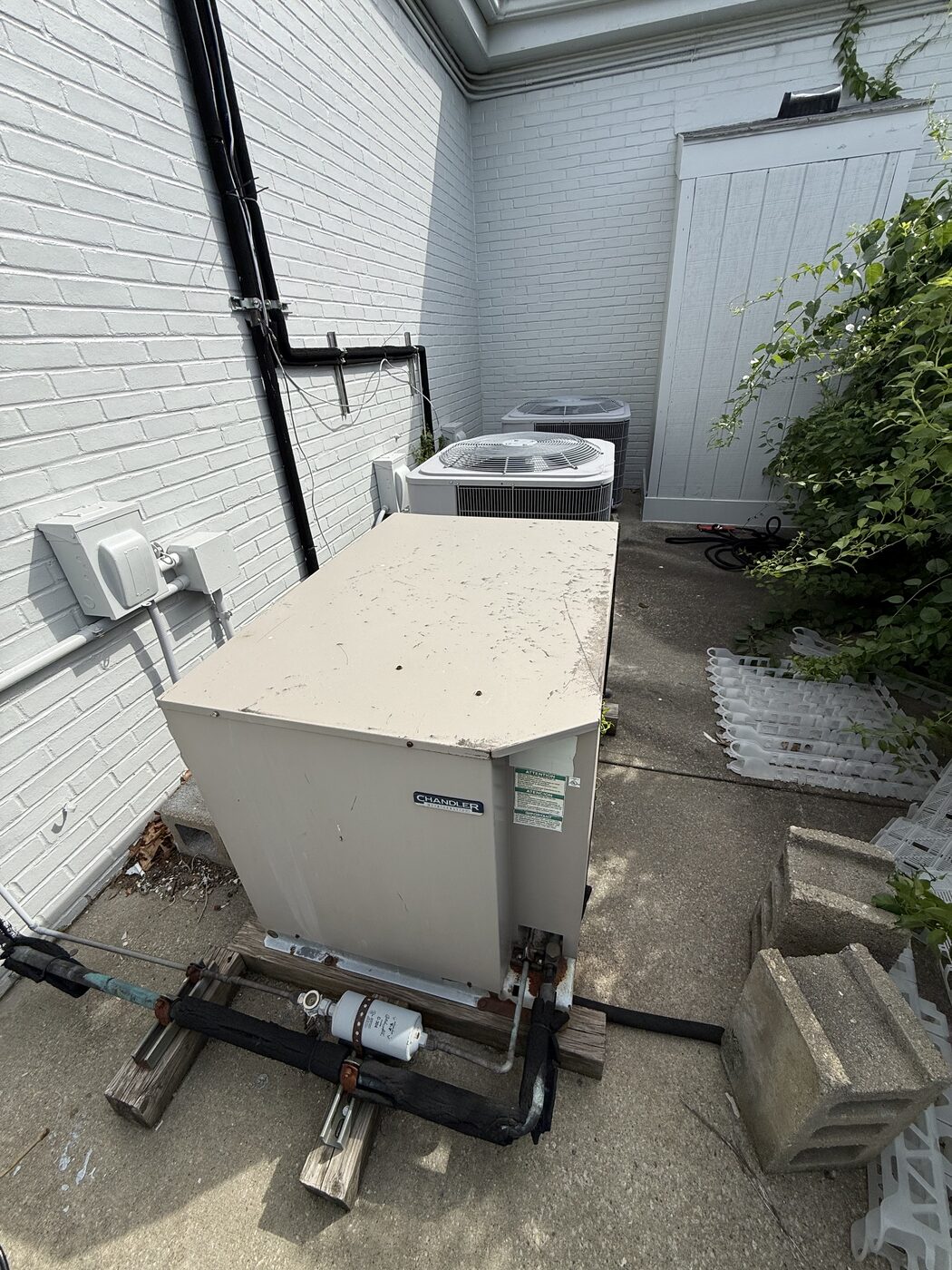
By the Fourth of July, Hyannis runs at a pace the rest of Massachusetts never sees. Main Street is shoulder to shoulder, the ferry lines to Nantucket and Martha’s Vineyard stretch down the dock, and every clam bar, seafood shack, and ice-cream stand between downtown and Lewis Bay is turning tables as fast as people can be seated. Every one of those kitchens leans on a walk-in cooler that has to hold temperature through a fourteen-hour day in August heat. When that box quits on a Saturday in season, it is not an inconvenience. It is the worst day of your summer.
I have been repairing commercial refrigeration for twenty years, and I have spent a good share of those summers with my gauges on Cape Cod equipment. Hyannis is the commercial hub of the Cape — the year-round restaurants, the harbor fish houses feeding the ferry crowds, the stands that only exist from Memorial Day to Labor Day — and its refrigeration problems have a rhythm all their own. Boxes sit idle or half-loaded from Columbus Day to April, then get asked to run wide open for a hundred straight days. Most of the failures I see in July were preventable in May. This page covers both: what I do when your cooler is down right now, and how to keep it from going down at all.
Emergency Walk-In Repair When Every Seat in Town Is Full
A walk-in failure in Hyannis in February is a problem. The same failure on a summer Saturday is a catastrophe, because there is no slow night coming to absorb the loss. A box full of fresh seafood, shucked littlenecks, prepped sides, and dairy can be four or five figures of product, and the health rules do not care that it is your busiest weekend of the year.
When you call, I triage on the phone before I ever start driving. Is the condensing unit running or silent? Silent usually means electrical — a tripped breaker, a failed contactor, or a compressor that dropped out on its overload. Running but warm points at refrigerant loss, a fouled condenser, or an evaporator iced into a solid block. While I am en route: keep the door shut, consolidate product into your reach-ins or a neighbor’s box, and get ice on anything critical. A closed walk-in with a decent gasket buys you hours, not minutes.
I carry the parts that actually fail — contactors, fan motors, start components, defrost timers and heaters — because a second trip across the bridge in July traffic helps nobody.
What My Diagnostic Actually Covers
A real diagnostic is measurements, not guesses. I put gauges on the system and read superheat and subcooling, because those two numbers tell me the truth: low superheat with high subcooling says overcharge or a flooding valve, high superheat with low subcooling says the charge is short and I need to find the leak. I clamp the compressor and compare amp draw against rated load amps — a compressor pulling well over RLA is fighting high head pressure or dying windings, and either way it is telling you something before it fails outright.
I also walk the whole defrost cycle, because defrost is the quiet killer of walk-ins. A stuck timer or failed board, a burned-out defrost heater, or a bad termination thermostat all end the same way: the evaporator ices over a few days at a time, airflow collapses, and the box starts creeping past 41°F every afternoon while the compressor runs itself ragged. Plenty of “low on gas” service calls I take over from other outfits turn out to be defrost failures that just needed someone to actually test the circuit.
You get told what I found, what it costs, and whether the fix makes sense against the age of the equipment. No mystery line items.
What Salt Air off Nantucket Sound Does to a Condenser
Hyannis equipment lives in salt air, and condensers pay for it. The breeze off Lewis Bay and Nantucket Sound carries salt that settles on condenser coils, and in a kitchen it mixes with airborne grease into a film that chokes airflow through the fins. A fouled condenser drives head pressure up, which drives compressor amp draw up, which drives your electric bill up — and on a 90-degree August afternoon it is the difference between a box that holds 38°F and one that loses ground all day until the compressor trips on high pressure at 7 p.m.
Salt also eats the fins themselves. I see coils near the harbor where the aluminum has gone powdery years before the rest of the unit is worn out. On coastal equipment I recommend rinsing condensers with fresh water far more often than the manuals suggest — monthly in season for anything within a few blocks of the water — and I check fin condition on every visit so a corroding coil gets flagged while there is still time to plan for it instead of discovering it during a heat wave.
Barnstable Health Inspections and the 41°F Line
In Massachusetts, your local board of health inspects food establishments under 105 CMR 590, which adopts the FDA Food Code — in Hyannis that means the Town of Barnstable’s health inspectors, and they are busy in a village with this many food licenses. The number that matters is 41°F for cold holding. A walk-in that holds 40°F on a mild June morning and drifts to 44°F during the August dinner rush is not a passing box; it is a violation waiting for the wrong afternoon, and it is quietly shortening the shelf life of everything inside it.
When I service a walk-in, I set it up to hold temperature at the worst hour of your worst day, not the average. That means verifying the thermostat against a calibrated thermometer, confirming recovery time after a busy-hour door schedule, and making sure the coil, charge, and defrost schedule can carry the load in peak season. If an inspector has already flagged you on temps, call me before the re-inspection, not after.
Spring Startup and Fall Shutdown: The Cape Season Done Right
This is the section that matters most in Hyannis, because half the food businesses here effectively hibernate. A walk-in that sat cold and empty from October to April does not just wake up healthy. Door gaskets dry out and crack over the winter. Refrigerant charges that were marginal in the fall show up flat in the spring, because small leaks kept seeping while nobody was watching. Condenser fan bearings that sat still for six months seize or scream on the first hot day. Defrost timers drift. Mice find control wiring.
A pre-season startup visit in April or May catches all of it: leak-check the system, verify the charge by superheat and subcooling rather than by guesswork, spin and lubricate or replace fan motors, test the full defrost cycle, and replace gaskets before opening day. On refrigerant, I do it by the book — I am EPA-certified under Section 608, and federal rules mean a leaking system gets found and repaired, not quietly topped off every spring. Topping off is renting your refrigerant; fixing the leak is owning it.
Fall shutdown deserves the same care: clean the box, dry the coil, leave doors cracked so the interior does not grow mold all winter, and log the system’s numbers so spring-me knows what fall-me saw.
Preventive Maintenance on a Cape Cod Calendar
Inland restaurants can run a lazy quarterly PM schedule. Hyannis cannot, because the load is compressed into one brutal stretch. My in-season rhythm for a busy box near Main Street or the harbor: coil rinse and drain-line flush monthly, a mid-July check of amp draws and temperatures when the equipment is under real load, and gaskets inspected every visit.
Gaskets are the best money in refrigeration, so here is the economics. A walk-in door gasket costs a few hundred dollars installed. A torn or flattened gasket lets warm, humid ferry-season air pour into the box every time the door swings — which on an August service line is constantly. That moisture loads the evaporator with frost, forces longer run times, ices the coil past what the defrost cycle can clear, and shortens compressor life. I have watched a $200 gasket problem become a $3,000 compressor problem more times than I can count. If you can see light around your closed door, or the gasket does not grip a dollar bill, it is costing you money today.
Honest Drive Times from New Bedford
I dispatch from New Bedford, not from a truck parked on Main Street, and I would rather tell you the truth than promise a fantasy. Off-season, Hyannis is roughly 60 to 75 minutes from my shop, straight out Route 6 or Route 28 depending on where you are in the village. In summer, you know the roads better than I do: a Friday afternoon in July can stretch that badly, and I will give you a real ETA based on actual traffic when you call, then update you if it changes.
What I can control, I do: phone triage the moment you call so the right parts are on the truck, honest scheduling so PM and non-urgent work lands in off-peak windows, and early-morning slots in season so I am on the Cape before the bridge traffic builds. I cover Hyannis and the surrounding Barnstable villages, and the rest of the Mid-Cape along the Route 28 and Route 132 corridors.
One Season to Get It Right
The thing I respect most about Hyannis food businesses is the math they live with: roughly a hundred days to make the year. A fried-clam window by the harbor or a raw bar off Main Street does not get a second chance at the second weekend of August. That is why I push spring startups so hard, why I answer the phone at night in season, and why I will tell you honestly when a fifteen-year-old box should be replaced before June instead of nursed through another summer. Your walk-in is not a background appliance here — it is the load-bearing wall of a very short, very intense season. Treat it that way and it will not embarrass you when the ferries are full.