Walk In Cooler Repair in Warwick RI: Getting Your Food Cold Again Fast
Your walk-in cooler stopped cooling at 6 AM and the lunch rush is kicking off. Every minute that unit sits warm, you’re losing product—and money stacking up fast.
Emergency Response: When You Need a Tech Now
For more on refrigerant handling regulations, see EPA Section 608 certification.
When your walk-in cooler dies, it ain’t just an inconvenience; it’s a direct hit to the bottom line. We know that feeling. That panic when you open the door and see temperature readings climbing against all odds.
We’re talking emergency response here. When time is measured by degrees Fahrenheit and dollars lost per hour, you don’t want someone who reads manuals; you need a tech who knows what to do with their hands. We’ve been running this game across Southeastern MA and Rhode Island.
If you’re in Warwick—or anywhere from Providence down through the South Coast, or up toward the Cape—and your refrigeration is struggling, don’t wait for a business day schedule. Call us at 508-521-9477. We’ve got crews ready to roll out when you call.
What Goes Wrong With Walk-In Coolers? What We Look For
For more on AIM Act phase-down, see EPA SNAP-listed refrigerants.
People often think it’s the compressor, but that’s rarely the whole story. A walk-in cooler is a complex system involving the condenser, the evaporator coil, the defrost cycle, and keeping the refrigerant pressure right across the board.
When we pull up to a job—say, down near Warwick’s commercial district—we run through our checklist. Is it a simple mechanical issue? Maybe the door gasket finally gave out on a Manitowoc unit, letting in warm air from passing traffic or an improperly sealed loading dock door. That’s easy enough.
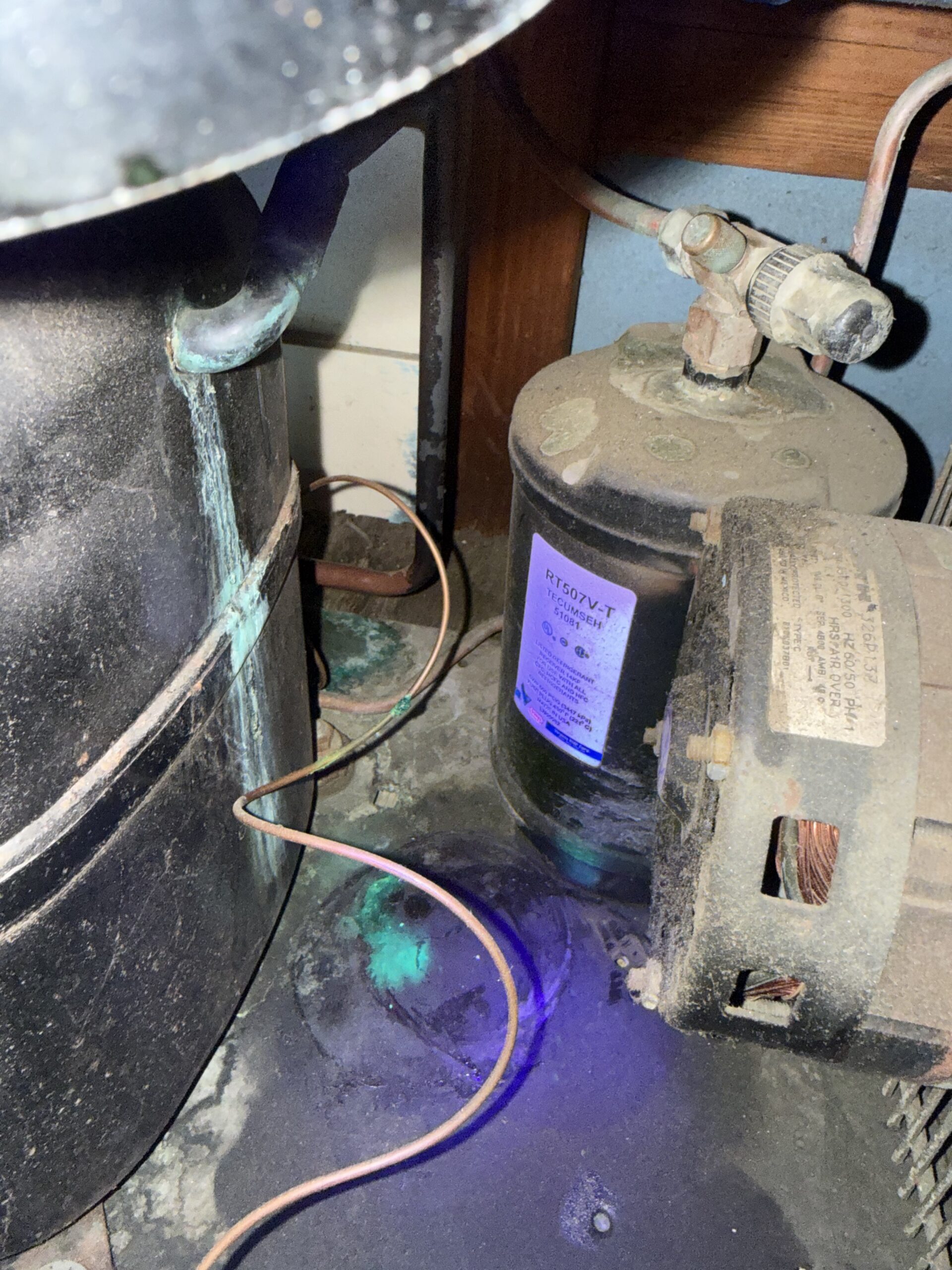
But sometimes it’s deeper. We might be looking at restricted flow through the capillary tube, or maybe the evaporator fan motor is failing and can’t push enough cold air over the product. Or worse—the refrigerant charge itself is off because of a slow leak somewhere you can’t see.
We don’t guess. We test pressures, we check electrical components, and we tell you exactly what’s burning out and why. Being EPA 608 certified matters because it means we handle the refrigerant safely and correctly every single time.
Repair vs. Replace: Telling You Straight What Makes Sense
For more on Massachusetts compliance, see EPA Section 608 refrigerant rules.
Look, I’m not paid to sell you a brand new unit if an older one can get another solid five years out of it with some good work on the components. We’ve seen this dozens of times.
You bring in a True cooler that’s hit its 18-year mark, and the primary compressor is starting to buzz funny. My first instinct isn’t to quote you a brand new setup; it’s to look at the electrical components, check the oil lines, and see if we can rebuild or swap out just the necessary parts while making sure the entire system integrity is sound.
If the unit is getting too old—if the sheer cost of replacing internal components starts eating up half what a new piece costs—then yeah, replacement makes sense. We’ll sit down with you, look at the specs for your current walk-in freezer or cooler, and give you an honest breakdown: “Edward, this machine needs $4,000 to fix right now, but a comparable new unit from [Major Brand] will cost $12,000. Here’s why.” No fluff, just the numbers.
Serving Warwick and All Over Rhode Island
When people call us, they’re usually in a pinch, and sometimes they don’t know exactly where we are. But if you’re anywhere from Coventry down to Block Island, or up through central RI, we know the routes.
An ice machine that starts acting up can throw off a whole prep area’s setup fast. Getting it sorted quickly matters so the kitchen can keep running service straight through a dinner rush.
It’s not just about being “in Rhode Island.” It’s knowing where the traffic bottlenecks are, which way to take on a rainy Saturday morning near the coast, and how quickly we can get a tech door-to-door. When you need walk-in cooler repair in Warwick RI, you want guys who know this backyard.
Preventative Maintenance: Staying Ahead of the Failure
The best time to call us is when your unit is *working*. Seriously. Let’s talk about preventative maintenance on that walk-in cooler, or maybe a few reach-in units in the back room.
Most owners wait until the alarm starts blaring—until the temperature hits 50 degrees inside—before calling anyone. By then, it’s an emergency call at 1 AM. We want to be scheduled when things are running smoothly so we can get ahead of problems before they become crises.
During a proper service visit, we’ll check the condensate drain lines for clogs. We’ll inspect the condenser coils—if those get coated in grease or dust from kitchen exhaust, your compressor has to work way too hard and burns out prematurely. We clean it up, we test the temperature differential across the evaporator coil, and we make sure your defrost cycle is kicking off at the right time.
More Than Just Walk-In Coolers
While you called about walk-in cooler repair in Warwick RI, remember that most commercial kitchens have more than just one unit. We handle everything related to keeping your inventory cold and safe.
We service those glass-door merchandisers—the ones showing off the drinks at the front counter. We work on prep table refrigeration drawers, the massive ice machines (Manitowoc, especially), and any beverage cooler line you’ve got stocked up in a local market or restaurant. If it moves refrigerant and keeps food safe, we can look at it.
If you have multiple pieces of equipment that seem to be acting funny—a weird humming sound from the condenser unit near the back wall, or an ice machine draining too fast—don’t call three different guys. Call us once. We keep our techs cross-trained on all the major brands.
Diagnosing the Problem Before We Touch It
You call us because something’s wrong—the temperature gauge looks high, or maybe you just noticed a puddle on the floor by your prep table. Sounds simple, right? Not when it’s impacting inventory.
The problem isn’t always what it seems. Sometimes the issue is low refrigerant pressure in the capillary tube because of a clogged filter drier upstream. Other times, it’s just bad door gaskets letting in warm air all day at that little spot near Plymouth Street where you can’t keep your coolers sealed. We don’t guess.
When one of our techs pulls up to a restaurant off the Route 1 South side in Warwick—whether it’s feeding into downtown or out towards the coast—we check more than just the compressor draw. We read the sub-cooling and superheat on all three lines, we check the defrost cycle timing on your freezer unit, and we look at the condenser coils for scale buildup from whatever local dirt you’ve got blowing in. Knowing what’s really failing saves you time, and money.
What to Expect When We Show Up
If you call us because your walk-in cooler needs repair in Warwick RI, here’s the deal. You shouldn’t have to wait around for a guy who doesn’t know what he’s doing. Our service call means we show up ready to diagnose and fix it right then.
When our technician gets there—and they’ll be wearing clean gear, I promise—we spend time talking to you first. We want to know *when* this started happening, what the unit was doing before it failed. Then we hook up our gauges. If it’s a simple fix—like replacing an expansion valve or tightening a connection—we do it fast and get you back in business.
If it’s bigger, say the entire condenser motor has burned out on your True unit, we’ll give you straight talk: what part needs swapping, how long it’ll take us to source that specific component for Warwick, and a solid price estimate before we commit. No surprise charges when we’re done.
Preventing Downtime Before It Happens
The best time to call us is when you don’t have a problem. Preventive maintenance keeps your operation running steady through the busy season—especially if you run a place near the Dartmouth side or down towards Coventry where traffic can be rough and unexpected things break.
We recommend having us check the whole system annually. This isn’t just blowing dust off the coils; we’re going deep. We clean out scale buildup from the evaporator fins, we check all electrical connections for signs of arcing—which is a major fire hazard if left unchecked—and we test the thermostat and control boards to make sure they’ll do their job years down the line.
A good PM on your Manitowoc or Hoshizaki units means fewer emergency calls when you’re slammed at 11 AM. It’s proactive care. Call us before the heat ramps up, and let’s get a service date booked so you don’t have to worry about that walk-in freezer failing right when you need it most.
Ready to get walk in cooler repair in Warwick RI?
Call 508-521-9477 Schedule NowWarwick, Ri is inside our core dispatch zone. From our base we are usually 20 to 45 minutes out depending on time of day and traffic on Route 6, Route 24, I-195, and I-95. New Bedford, Fall River, Dartmouth, Fairhaven, and the South Coast generally get same-day response on weekday calls placed before noon. Up the Cape and out to Provincetown adds an hour or so. Into Rhode Island — Providence, Warwick, Cranston, Pawtucket, Newport — we are commonly there inside two hours.
Looking for the broader picture? See our commercial refrigeration repair services across MA and RI — we cover walk-ins, ice machines, freezers, and restaurant refrigeration for Warwick and the surrounding region.
A fair share of the Warwick and Cranston calls that come in as a cooler that cannot keep up end at the door rather than the condensing unit: a gasket split at the bottom corner, a torn sweep, or hinges that let the door sag off the latch. That work, from gasket profiles to frame heater wire, is laid out on our walk-in door repair page, and we carry the common hardware on the truck so it is usually a one-visit fix.
Pricing a new walk-in for your Warwick location? See our walk-in freezer cost & repair guide — sizing, install cost, maintenance, and what restaurants actually pay.
- South Shore Walk-In Cooler and Freezer Repair
- how much does a walk in cooler cost new bedford guide
- industrial refrigeration repair
- pre season tune ups for walk in coolers freezers stop emergencies before they start
- Reach-In Cooler Repair
- the restaurant owners walk in freezer cooler survival guide 2025
- walk in cooler freezer downtime cost calculator
- Newport walk-in cooler service
- North Providence, RI
- what temperature should a walk in cooler be
- why is my walk in cooler freezing up causes fixes
- Commercial refrigeration repair across Rhode Island
- Service Areas
Refrigerator, Industrial and Emergency Refrigeration Repair in Warwick
Warwick refrigeration calls are broader than walk-in coolers. The hotels and restaurants along the Airport and Post Road corridor near T.F. Green run reach-in refrigerators, prep tables, bar coolers and ice machines around the clock, and the older eateries in Pawtuxet Village and Apponaug run cabinets that have been patched more than once. A commercial refrigerator that is not cooling, sweating, leaking or short-cycling gets the same diagnosis we give a walk-in: airflow and defrost first, then controls, then the refrigerant circuit, because that order finds the cheap fix before the expensive one. The commercial refrigerator repair page covers prep tables, display cases and reach-ins in detail.
Industrial refrigeration repair in Warwick means the larger systems a distributor, cold-storage operator or processor runs: multiple-evaporator walk-ins, remote condensing units, rack systems and blast chillers. We handle those on everything except ammonia, which needs a contractor certified for it, and we say so on the first call. Rhode Island’s hard water and the salt air off Greenwich Bay are the two local factors that shorten condenser and ice machine life here, so a maintenance plan for an industrial box starts with the condenser and the water treatment. The industrial refrigeration repair page sets out the scope.
Emergency refrigeration repair in Warwick is dispatched the same way as everywhere else we work: a box that is climbing with product in it is an emergency, day or night, and a cabinet that is a few degrees warm with a running compressor can usually wait for the morning if you can shift the product. When you call, have the make of the unit, the temperature in the box and what you can hear ready, and keep the door closed. A hotel kitchen near the airport and a Pawtuxet Village restaurant get the same answer and the same truck. The emergency refrigeration repair page explains how we triage by equipment, and the Rhode Island hub lists every town we cover.
Frequently Asked Questions
Do you actually cover Warwick from New Bedford?
Yes. Warwick is about an hour from our shop on I-195 and I-95, and we are in Rhode Island most days of the week. Calls placed in the morning are usually same-day, and we give you a realistic arrival window on the phone rather than a promise we cannot keep.
Our hotel near T.F. Green runs kitchen and bar refrigeration around the clock. Can you do maintenance without disrupting guests?
Yes. Airport-corridor hotels and Post Road restaurants run steady loads, so we schedule coil cleaning, gasket checks and refrigerant checks in the quiet hours and keep the noise and the mess in the mechanical room and on the roof.
What does RIDOH expect from a walk-in cooler in Warwick?
Rhode Island inspects food establishments statewide through RIDOH rather than town by town. They want cold-holding at 41 degrees F or below, a working thermometer and temperature logs with corrective action written down. Our service tickets record the temperature we left the box at so your log shows the problem and the fix.
Our Pawtuxet Village restaurant has an old walk-in. Repair or replace?
Repair the refrigeration side and keep the box unless the floor, the panels or the door frame have failed. A new condensing unit and evaporator cost a fraction of a new walk-in, and demolishing an older box in a tight village storefront is rarely worth it. We check the structure before quoting so you are not paying to cool a box that leaks.
Why does our outdoor condenser near Greenwich Bay corrode so fast?
Salt air. Fin and coil coating loss shows up years sooner near the bay, the unit cannot reject heat and head pressure climbs every summer. Twice-a-year coil cleaning and a coated coil when it is time to replace are the fixes; relocating the unit rarely is.