Why Pre-Season Service Pays
Hot kitchens + summer ambient heat = stressed refrigeration. A 60-minute tune-up can prevent a 2-day outage and product loss.
Our 18-Point Walk-In Tune-Up
- Clean condensers (indoor/outdoor)
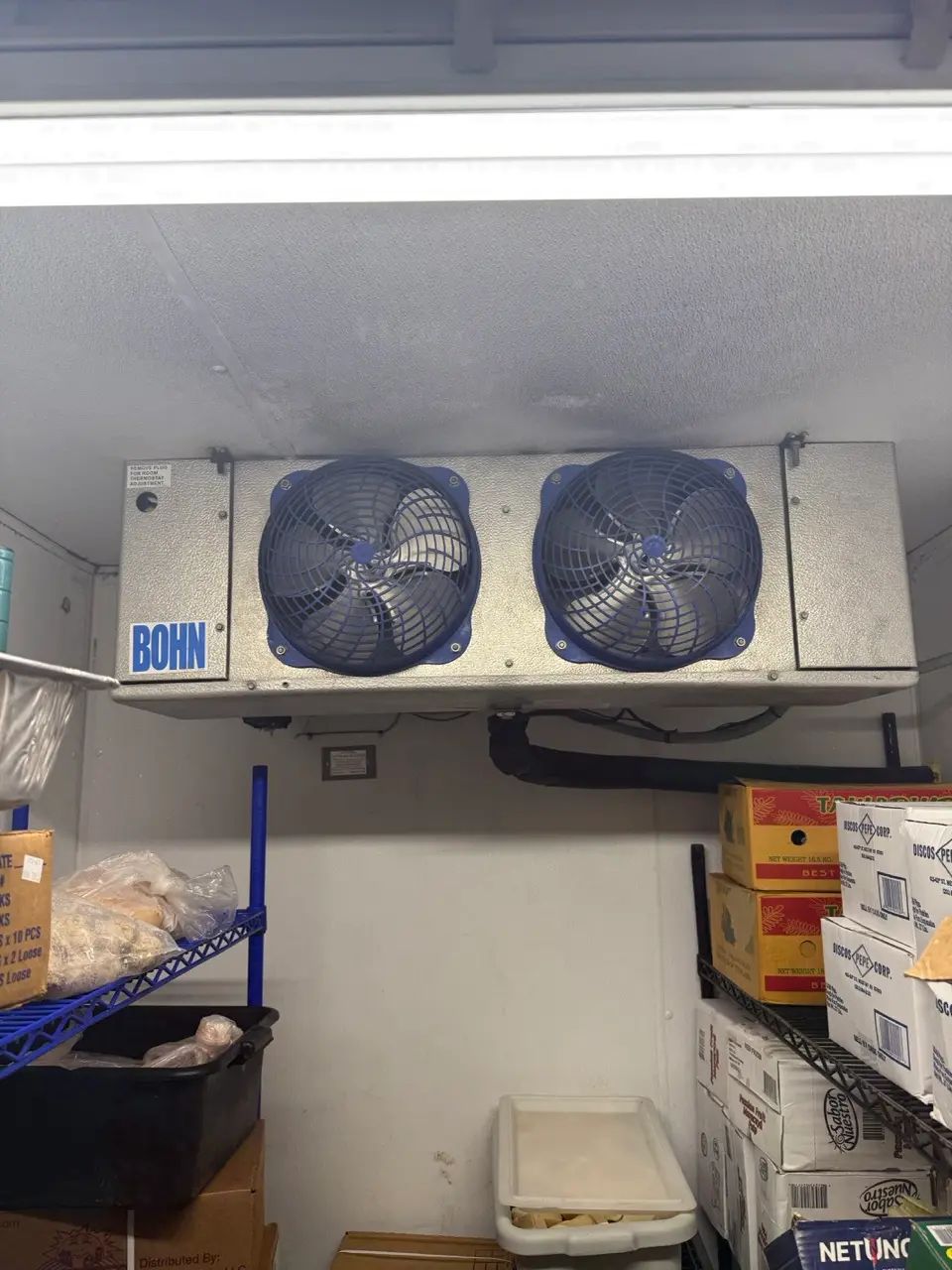
- Inspect/clean evaporators & verify defrost operation
- Check superheat/subcooling, refrigerant levels, leaks
- Tighten electrical, inspect contactors/capacitors
- Verify door heaters, strip curtains, sweeps
- Test fan motors/ECM upgrades opportunities
- Calibrate temperature controls & alarms
- Inspect drains and pan heaters (freezers)
- Document before/after temps and amp draws
Add-On Upgrades That Pay Back
- ECM evaporator motors (energy savings)
- LED lighting & door switches
- Smart temp monitoring with text alerts
- New gaskets/closers to stop infiltration
Best Time to Schedule
Spring and fall shoulder seasons = quicker appointments and promo pricing.
CTA
Get on our preventive maintenance plan—priority response + seasonal tune-ups. Call 508-521-9477.
FAQ
Do tune-ups void my warranty? No—documentation helps warranty claims.
How often should I service? Quarterly for heavy use; at least bi-annually for most restaurants.
4) New Restaurant Checklist: Choosing the Right Walk-In & Keeping It Running
Meta Title: New Restaurant Walk-In: Sizing, Layout & Maintenance Checklist
Meta Description: Opening a restaurant or café? Use this checklist to size your walk-in cooler/freezer, plan layout, and avoid the most expensive mistakes.
Step 1: Pick Cooler vs. Freezer (or Combo)
- Walk-In Cooler: 34–41°F for produce/dairy/beverage
- Walk-In Freezer: 0°F for long-term storage
- Combo Box: Saves footprint but requires careful load design
Step 2: Sizing & Layout
- Start with par levels and delivery frequency
- Allow 6–8″ clearance around coils; don’t block fans
- Place doors away from cooklines and dish areas to reduce heat/moisture
- Add shelving that doesn’t trap airflow under evaporators
Step 3: Decide Indoor vs. Outdoor
- Outdoor units free up kitchen space; confirm slab, canopy, and weather kits
- Indoor units avoid roof work but need ventilation and service clearance
Step 4: Energy & Health Code Must-Haves
- Door closers, gaskets, strip curtains
- ECM fans & LED lights
- Temp logging and alarm setpoints (41°F cooler / 0°F freezer targets)
- Routine ice machine cleaning if you serve iced drinks
Step 5: Service Plan = Fewer Emergencies
- Quarterly condenser cleans
- Bi-annual tune-ups (verify defrost, check charges, electrical, drains)
- Keep a “call list” posted by the office phone with 508-521-9477 for fast dispatch
CTA
Opening soon or taking over an existing space? Get a start-up inspection and maintenance plan to protect your inventory from day one. Call 508-521-9477.
FAQ
Can I reuse an old walk-in? Often yes, but inspect panels, gaskets, and the refrigeration package.
What brands do you service? Most major OEMs for coolers, freezers, and ice machines.